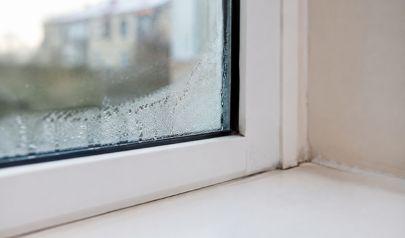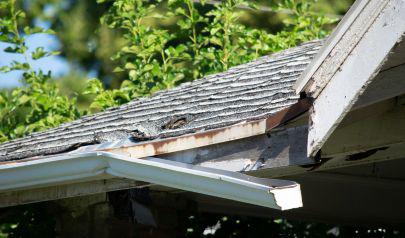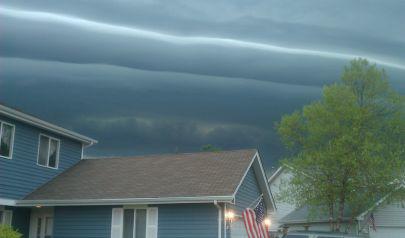
Storms don’t have to be extreme to cause hidden damage. A heavy downpour or strong winds can open the door to moisture intrusion, and that’s often how mold problems begin. Once the weather clears, it’s a good idea to walk through your home and check for signs of water damage, even if everything seems fine on the surface.
Where to Start: A Walk-Through of Key Areas
Once the storm has passed, do a slow walkthrough and look for trouble spots. Focus on places where water is most likely to enter or collect, such as:
-
Near doors and window frames
-
Around the base of exterior walls
-
In the attic, crawl space, or basement
You may notice subtle signs, such as damp spots, yellow or brown ceiling stains, bubbling paint, or a musty odor. These are early signs that water has entered your home. Even small leaks can lead to mold in as little as 24 to 48 hours.
Moisture Can Hide in Unexpected Places
Water doesn’t always puddle where you can see it. It can seep into flooring, absorb into drywall, or get trapped behind trim and baseboards. This “hidden moisture” can cause long-term damage if left unaddressed. If you suspect that water has entered deeper layers of your home’s structure, it’s wise to enlist the help of professionals with specialized tools, such as thermal imaging cameras or moisture meters, to investigate further.
Mold Can Grow Fast—And It’s Not Always Obvious
Mold doesn’t wait for a flood. It just needs moisture, warmth, and time. After a storm, the most common places we find mold include:
-
Behind baseboards and crown molding
-
Beneath laminate or vinyl flooring
-
Inside ductwork or behind return vents
-
In attics or crawl spaces with poor ventilation
If you spot discoloration—black, green, white, or orange—or smell a musty odor, resist the urge to clean it yourself. Scrubbing or disturbing mold can release spores into the air, spreading contamination.
Don’t Forget to Document the Damage
If you find signs of damage, be sure to take photos before starting the cleanup. Snap pictures of everything—wet carpet, stained drywall, warped wood, damaged belongings, and anything else that looks out of place. If you need to file an insurance claim, these visuals, along with any receipts for cleanup or repairs, will help support your case.
When to Call in a Professional
Guesswork can be costly when it comes to water and mold. AdvantaClean utilizes industry-standard tools and methods to locate hidden moisture and safely handle mold removal, adhering to the ANSI/IICRC S520 standard for mold remediation. We don’t just treat the surface—we thoroughly evaluate the full extent of the issue and create a comprehensive plan to prevent it from recurring.
Our professional-grade drying equipment, air scrubbers, and antimicrobial treatments can restore your space safely and efficiently, saving you time, money, and stress in the long run.
Why Quick Action Matters
Even if a wall or floor feels dry to the touch, it could still be holding moisture beneath the surface. Over time, that trapped moisture can lead to structural damage, warping, rot, or ongoing mold issues. Acting early means smaller, less expensive repairs—and more peace of mind.
Concerned About Storm Damage?
If your home recently experienced a storm and you're noticing signs of water or mold—or you just want to be sure everything’s okay—call AdvantaClean to schedule a home assessment. Our team is ready to help you regain confidence in your home’s condition.