Warehouse managers spend a significant amount of time thinking about inventory, logistics, staffing, and operational efficiency. Moisture, on the other hand, tends to attract attention only after it begins affecting one of those priorities.
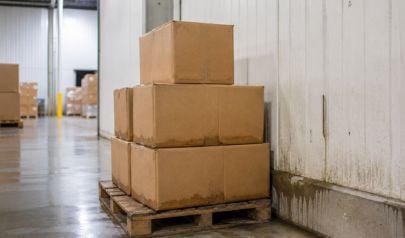
A pallet of cardboard packaging starts softening near an exterior wall. Condensation appears on a section of ductwork. Product labels begin peeling. Employees notice a musty odor in one area of the building while the rest of the facility feels completely normal.
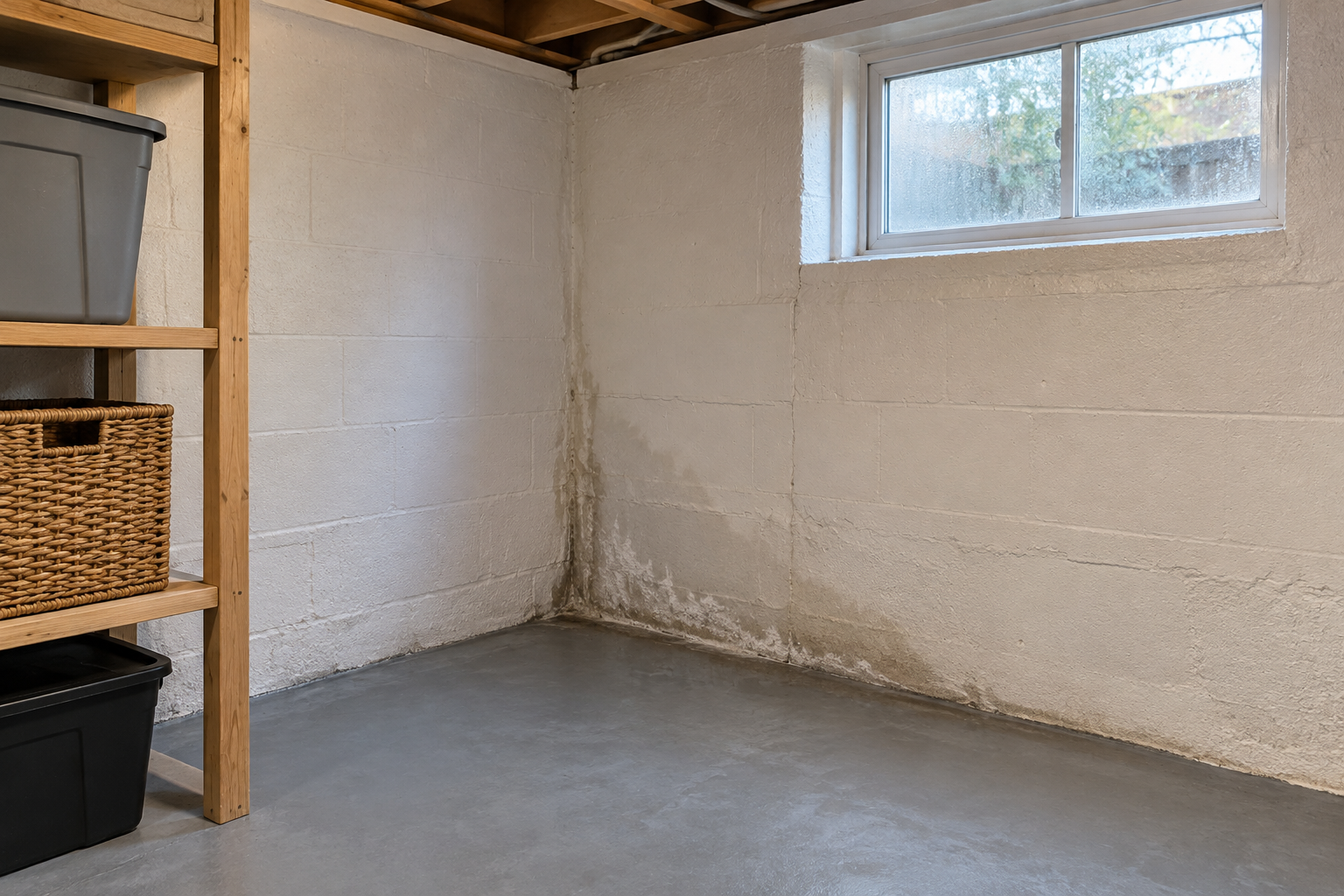
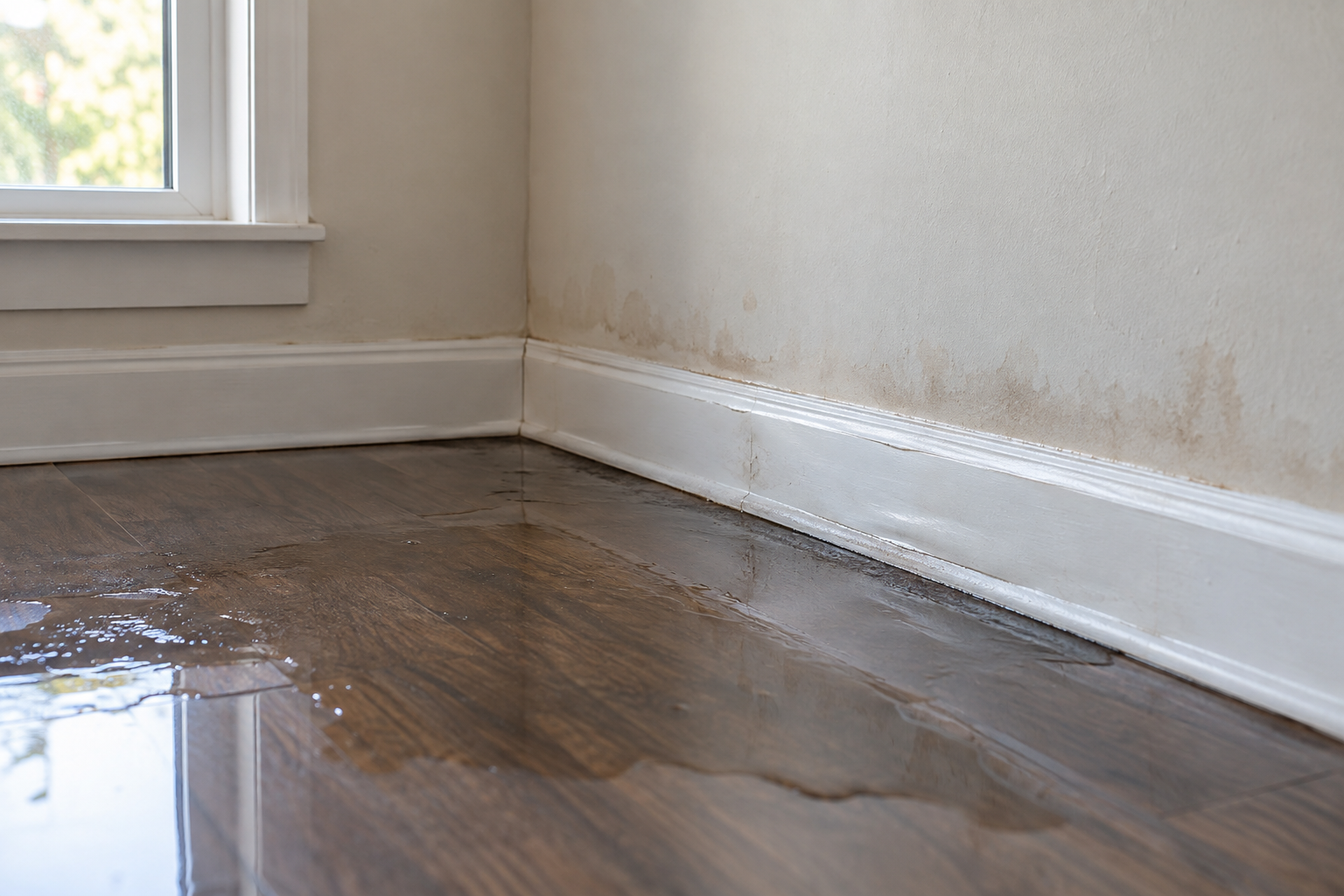
These situations can seem unrelated at first glance, but they frequently point back to the same underlying condition: excess moisture within the environment.
Warehouses Create Unique Moisture Challenges
Unlike traditional office buildings, warehouses experience constant changes in airflow and environmental conditions.
Overhead doors open and close throughout the day. Delivery vehicles enter and exit. Large open spaces create temperature variations between different sections of the facility. Some areas may be climate-controlled while others are not.
As outside air moves into the building, moisture moves with it.
During warmer months, humidity can enter the facility faster than building systems can remove it, particularly in warehouses with frequent door activity or limited environmental controls.
Moisture Does Not Affect Every Area Equally
One of the challenges with warehouse environments is that moisture problems are rarely distributed evenly throughout the building.
Conditions can vary dramatically between:
- Loading dock areas
- Storage aisles
- Mezzanines
- Interior offices
- Equipment rooms
- Shipping and receiving zones
- Areas near exterior walls
This is why warehouse moisture concerns frequently go unnoticed in the early stages. A problem may develop in one corner of the building while daily operations continue normally elsewhere.
AdvantaClean regularly works with commercial clients who discover that a localized moisture issue had been developing for months before becoming visible.
Inventory Is Not the Only Concern
When people think about warehouse moisture, product damage typically comes to mind first.
Inventory certainly deserves protection, but moisture can influence other aspects of operations as well.
Elevated humidity may contribute to:
- Packaging deterioration
- Condensation on equipment
- Indoor air quality concerns
- Unpleasant odors
- Reduced employee comfort
- Corrosion on certain materials
- Increased strain on climate-control systems
The impact extends beyond what is stored on the shelves.
Prevention Starts With Monitoring
Many warehouse moisture issues become expensive because they remain unnoticed for extended periods.
Monitoring environmental conditions provides an opportunity to identify changes before they begin affecting operations.
Facility managers should pay attention to:
- Relative humidity levels
- Areas showing recurring condensation
- Changes in indoor odors
- Water intrusion around doors and dock areas
- Signs of moisture accumulation near stored materials
Even subtle changes can provide valuable information about how the building is responding to seasonal conditions.
Moisture Management Supports Long-Term Operations
Warehouses are designed to keep products moving efficiently. Moisture works against that objective by introducing uncertainty into the environment.
AdvantaClean understands that commercial moisture control is not simply about preventing visible damage. It is about creating stable indoor conditions that support inventory protection, employee comfort, equipment performance, and operational consistency.
As facilities continue adapting to changing inventory demands and environmental conditions, moisture management remains one of the most practical investments a warehouse can make in protecting both its assets and its day-to-day operations.