Tips for Lowering Fire Risks
Every October, Fire Safety Week rolls around as a reminder to pause and prepare. For a commercial property, the impact of fire reaches well past the physical structure. A single incident can shut down operations, threaten employees or tenants, and trigger liability questions no one wants to face. A little forethought goes a long way in protecting all of it.
Where Fires Usually Begin
In offices, warehouses, and retail spaces, the cause is often simple:
- Overloaded outlets or outdated electrical panels
- Flammable products are stored too close to heat sources
- Lithium battery packs left charging overnight without supervision
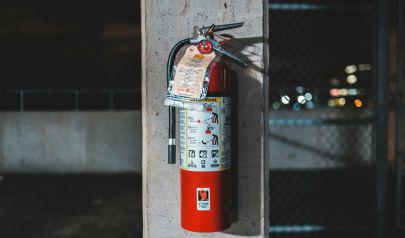
Sprinklers and extinguishers are critical, but NFPA guidance makes it clear—prevention starts with routine inspections and safe storage.
Planning With People in Mind
It’s not enough to have alarms and exits. People need to know what to do when the alarm sounds. Fire drills shouldn’t be a once-a-year checkbox. Running them more often gives both tenants and staff a clear routine to follow. Maps on the wall, exit signs that actually light up, and outdoor meeting points are straightforward but essential. A Workplace Risk Assessment (WRA) can formalize the plan. Assigning floor wardens or supervisors ensures someone is responsible for guiding groups and checking the roll once outside.
Habits That Cut Risk
Building managers can lower risk with steady upkeep:
- Inspect fire suppression systems and electrical setups on a schedule
- Keep storage neat and away from ignition sources
- Test and service backup generators before you need them
- Train staff not only in extinguisher use, but also in when to evacuate instead of fighting a fire
Small steps like these significantly reduce the likelihood that a minor issue will escalate into a major one.
After a Fire: The Critical Hours
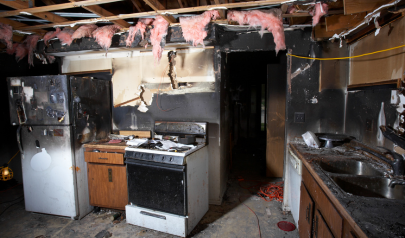
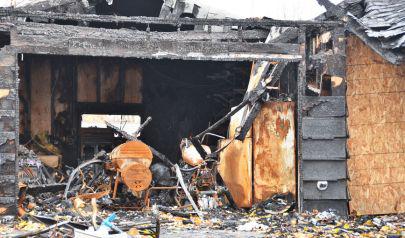
If a fire does break out, what happens in the first hours can shape recovery. IICRC protocols call for site stabilization, water removal from sprinklers, and odor control right away. A quick response to fire or smoke damage can mean the difference between a short interruption and weeks of downtime. Having a restoration partner lined up ahead of time saves precious minutes when decisions need to be made quickly.
Keep Fire Safety a Year-Round Habit
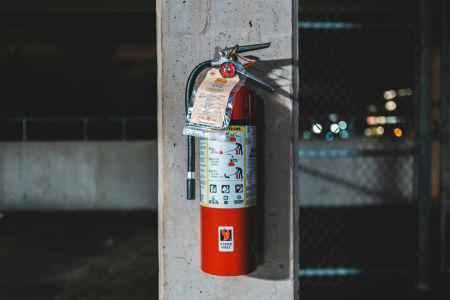
Fire Safety Week serves as a valid checkpoint, but the real goal is to keep safety top of mind all year. Combine preventive maintenance, regular drills, and a clear restoration plan, and your workplace stays far better prepared for whatever comes. For help protecting and restoring your commercial property after fire or smoke damage, contact AdvantaClean at (877) 800-2382.