A home dressed up for the holidays looks warm and welcoming, but it is easy to overlook the invisible atmosphere guests enter. Seasonal gatherings place unique demands on indoor environments. Long hours of roasting and baking release airborne grease and water vapor. Full households and back-to-back showers increase humidity. When combined with closed windows, crackling fireplaces, and heavily scented candles, your heating system works overtime to circulate air through crowded rooms. A quick indoor air check before the holiday rush ensures your gathering spaces stay fresh, comfortable, and healthy.
Walk Through Your Home With an Observant Eye
Before buying specialized gear or replacing parts, take ten minutes to walk through your house. Many air quality issues show themselves through subtle physical clues:
- Musty or lingering odors that persist despite routine housekeeping.
- Condensation beading along the edges of cold windowpanes.
- Water stains or discoloration on ceilings, walls, or under sinks.
- Blocked vents or registers hidden behind newly arranged furniture, accent rugs, or holiday displays.
Pay extra attention to high-moisture zones such as finished basements, laundry closets, and guest bathrooms. A minor ventilation issue or small leak in an unused guest suite can quickly become an embarrassing problem once the house fills with visitors.
Check and Service Your HVAC Filtration
Your central heating system functions as the lungs of your home, and the air filter is your primary defense against circulating debris. Inspect your filter before holiday traffic begins. A filter clogged with dust, pet fur, and lint restricts airflow, strains blower motors, and lets particulates bypass filtration. When replacing it, follow the exact dimensions and efficiency ratings specified by your equipment manufacturer. Overly restrictive, high-MERV filters can reduce heating performance if your blower cannot support them.
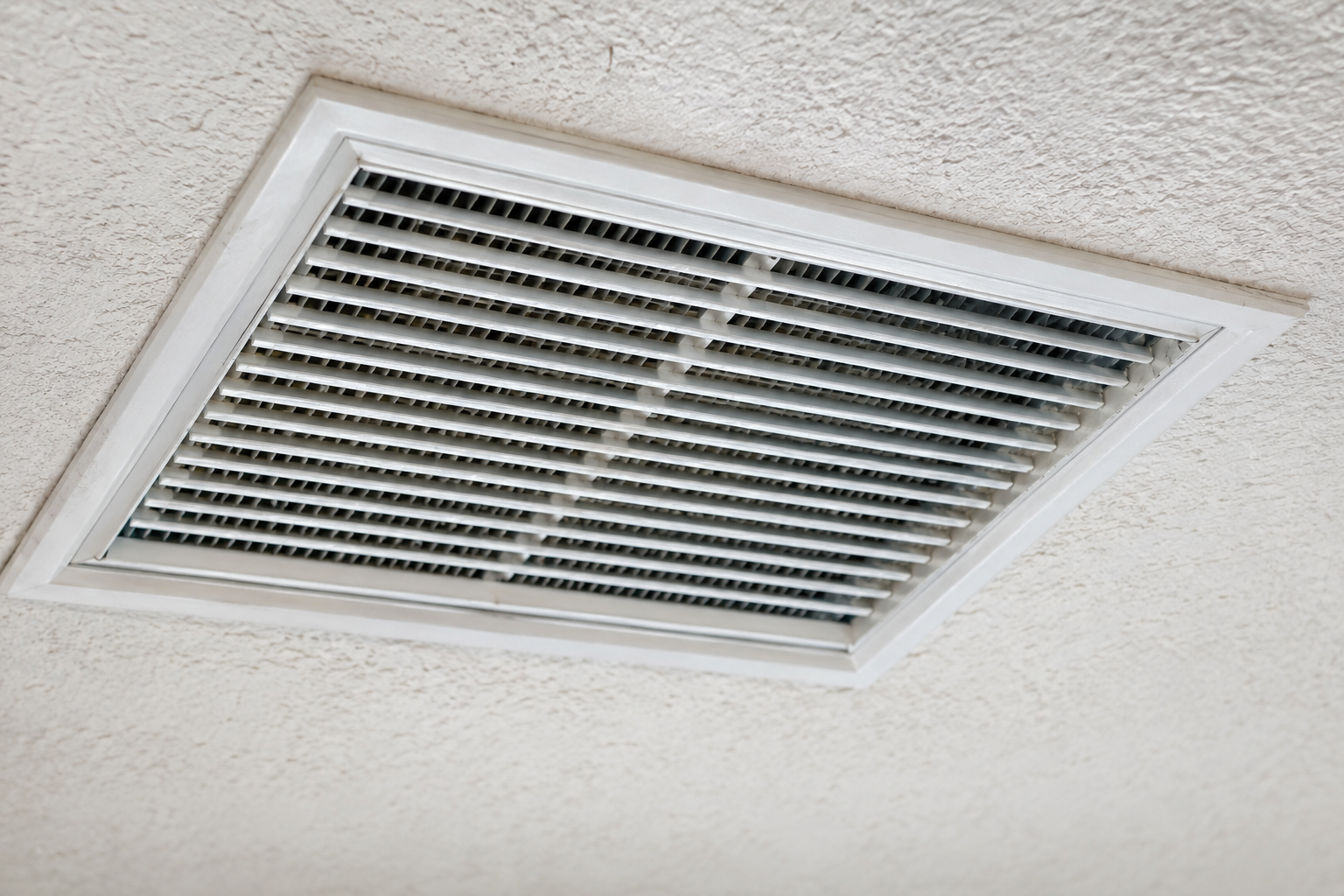
While checking the filter, vacuum surface dust from return grilles and confirm supply louvers are open. Light dust around a ceiling register does not automatically mean your entire duct network needs professional cleaning. Wipe accessible grille covers with a damp cloth and monitor how quickly debris returns. Full duct cleaning is best reserved for cases where inspection reveals heavy internal debris, vermin nesting, or active microbial growth inside the ductwork.
Manage Kitchen Ventilation and Cooking Aromas
Holiday feasts keep stoves, ovens, and slow cookers humming for hours. While these aromas are central to seasonal celebrations, prolonged cooking releases large amounts of moisture, aerosolized fats, and fine particulates that settle into dining draperies and living room upholstery.
Turn on your range hood exhaust fan five minutes before cooking, run it continuously during prep, and let it operate on low for fifteen minutes after you finish. This pulls steam and grease outside before they settle into soft furnishings. If your hood only recirculates air through a charcoal filter, crack an adjacent window slightly during heavy frying or boiling to bring in fresh air.
Balance Indoor Humidity as Temperatures Fall
Outdoor air carries less moisture as temperatures drop, which can make a home feel dry even while localized moisture spikes indoors. Condensation pooling on cold window glass signals that indoor air carries excess water vapor. The U.S. Environmental Protection Agency recommends maintaining indoor relative humidity between 30% and 50% to optimize comfort and discourage mold growth and dust mites.
Use a simple digital hygrometer to monitor living areas and lower levels. If relative humidity consistently exceeds 50%, or if you detect musty undertones, find the active moisture source rather than masking it with synthetic room sprays. In guest bathrooms, encourage visitors to run exhaust fans during showers and for twenty minutes afterward to remove damp air completely.
Capture Dust Rather Than Stirring It Up
Hurried last-minute dry dusting often sends settled allergens back into the air just hours before guests arrive. Protect your indoor environment by using cleaning methods that physically trap particulate matter:
- Use damp microfiber cloths on mantels, baseboards, and tabletops to trap dust instead of scattering it.
- Work from high surfaces downward, allowing dislodged particles to settle onto floors before your final pass.
- Vacuum with a sealed HEPA unit across carpets, area rugs, and upholstered furniture.
- Finish dusty DIY projects early. Sanding drywall, hanging shelves, or painting should end several days before guests arrive so airborne dust can be thoroughly cleaned.
Know When to Call in Professional Support
Routine seasonal maintenance, diligent ventilation, and thorough dusting resolve most day-to-day air quality concerns. However, persistent musty smells, recurring water stains, visible mold colonies, or strange mechanical odors from supply registers point toward underlying structural issues that regular cleaning cannot fix.
When deep-seated moisture or mechanical contamination threatens your living environment, certified remediation professionals from AdvantaClean can help. Rather than masking surface symptoms, experienced technicians locate the moisture source, contain affected areas, and deploy commercial extraction and air-scrubbing equipment to restore healthy indoor conditions.
Homeowners can learn more about AdvantaClean air duct cleaning or call (877) 800-2382 to discuss available services with a participating location.