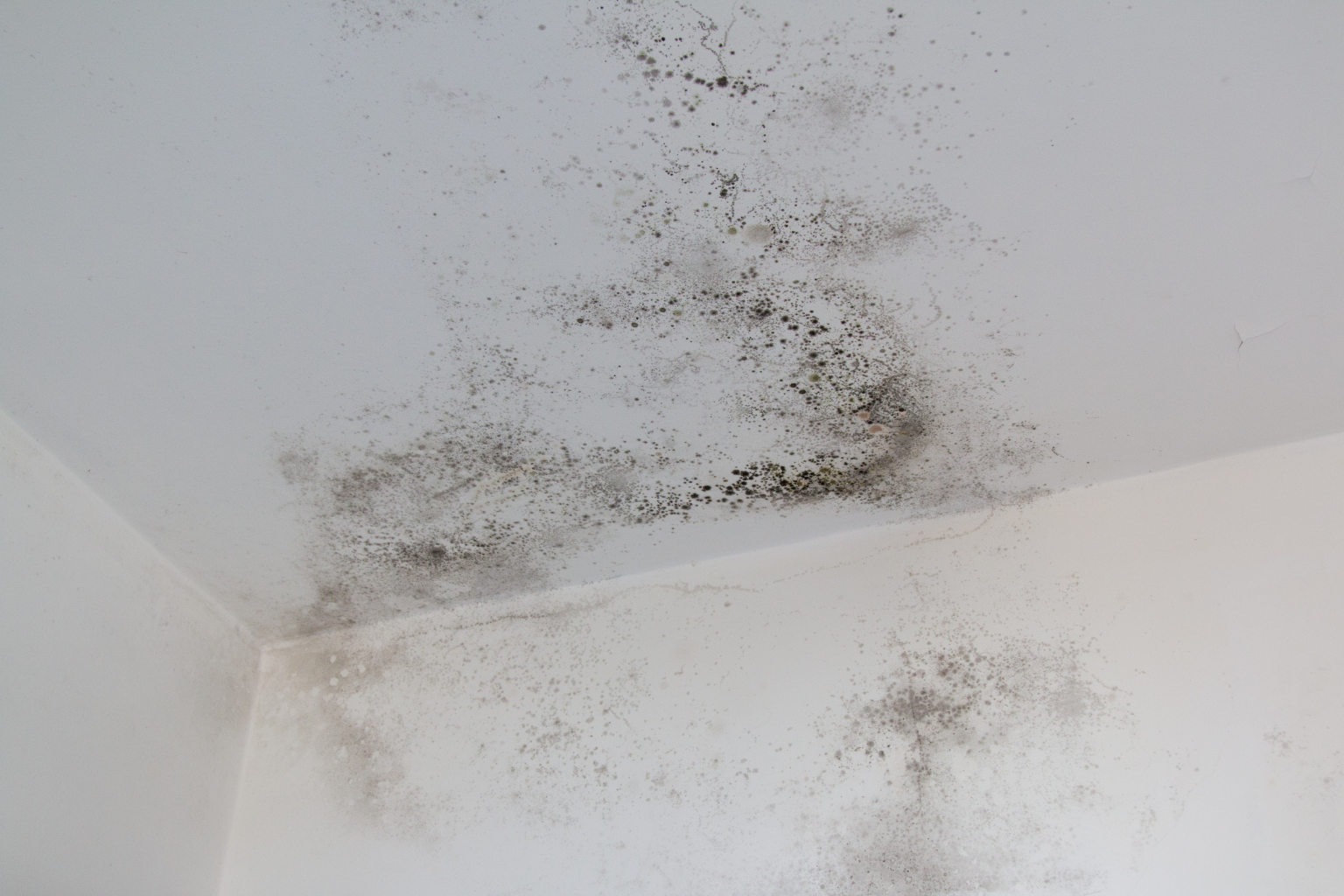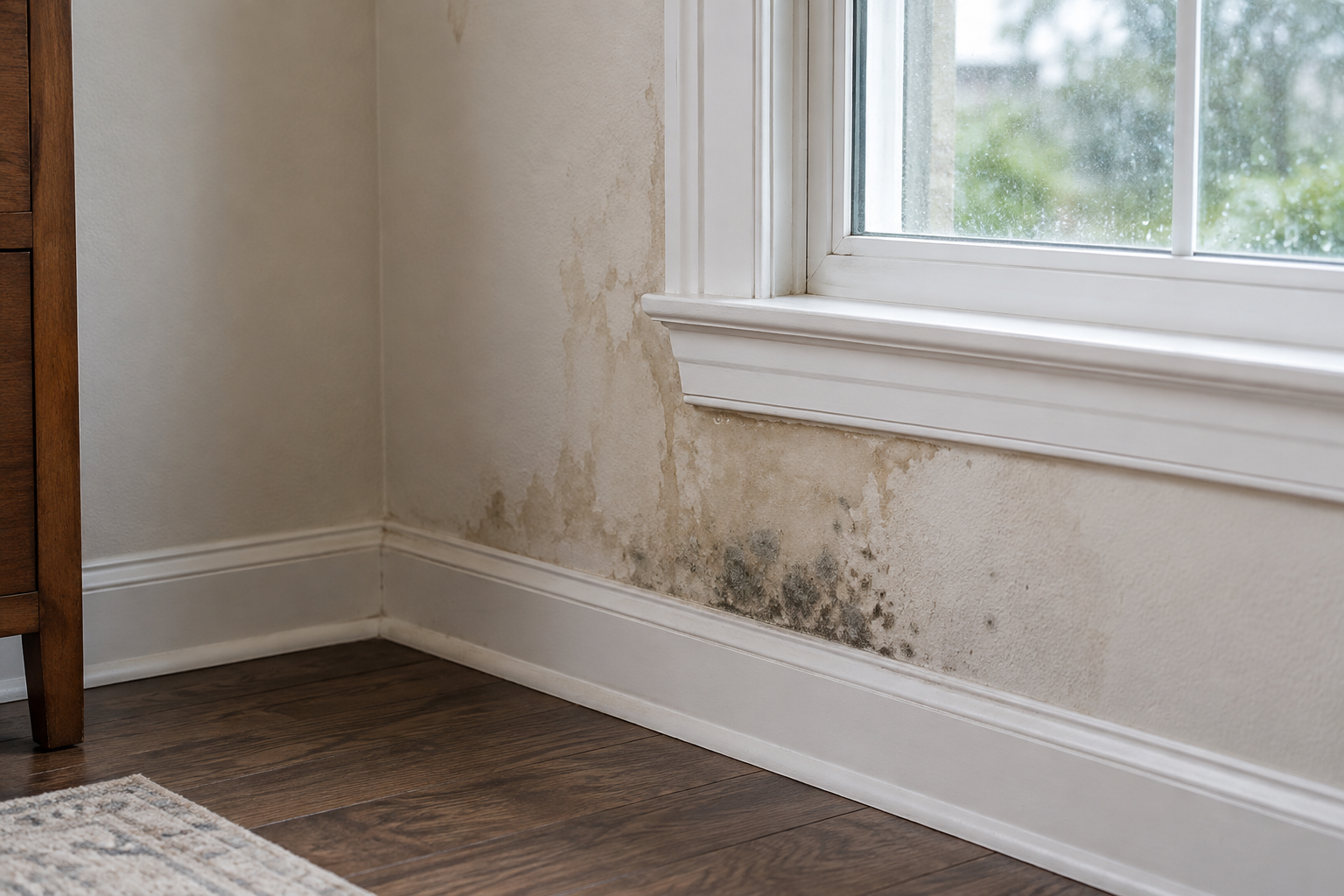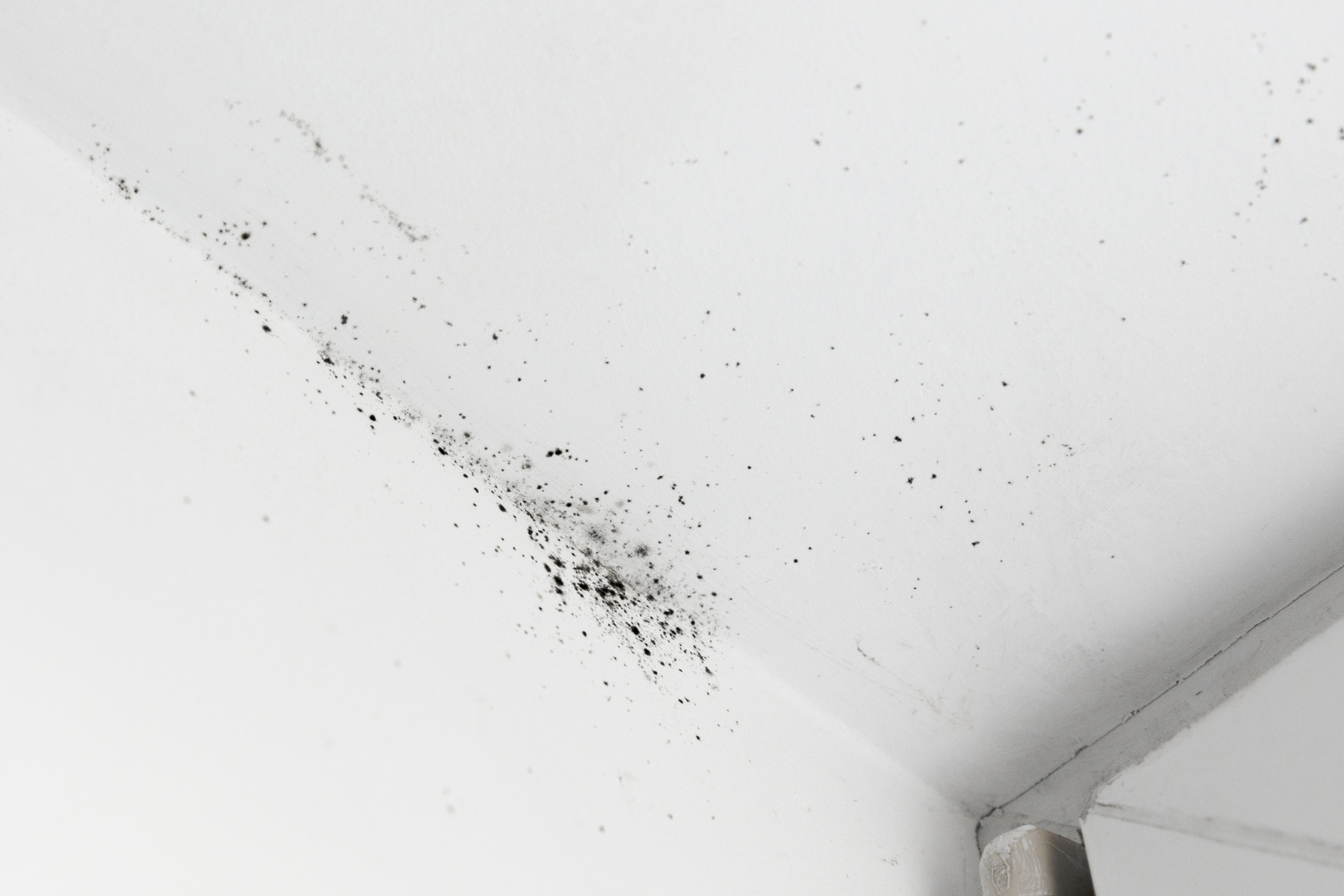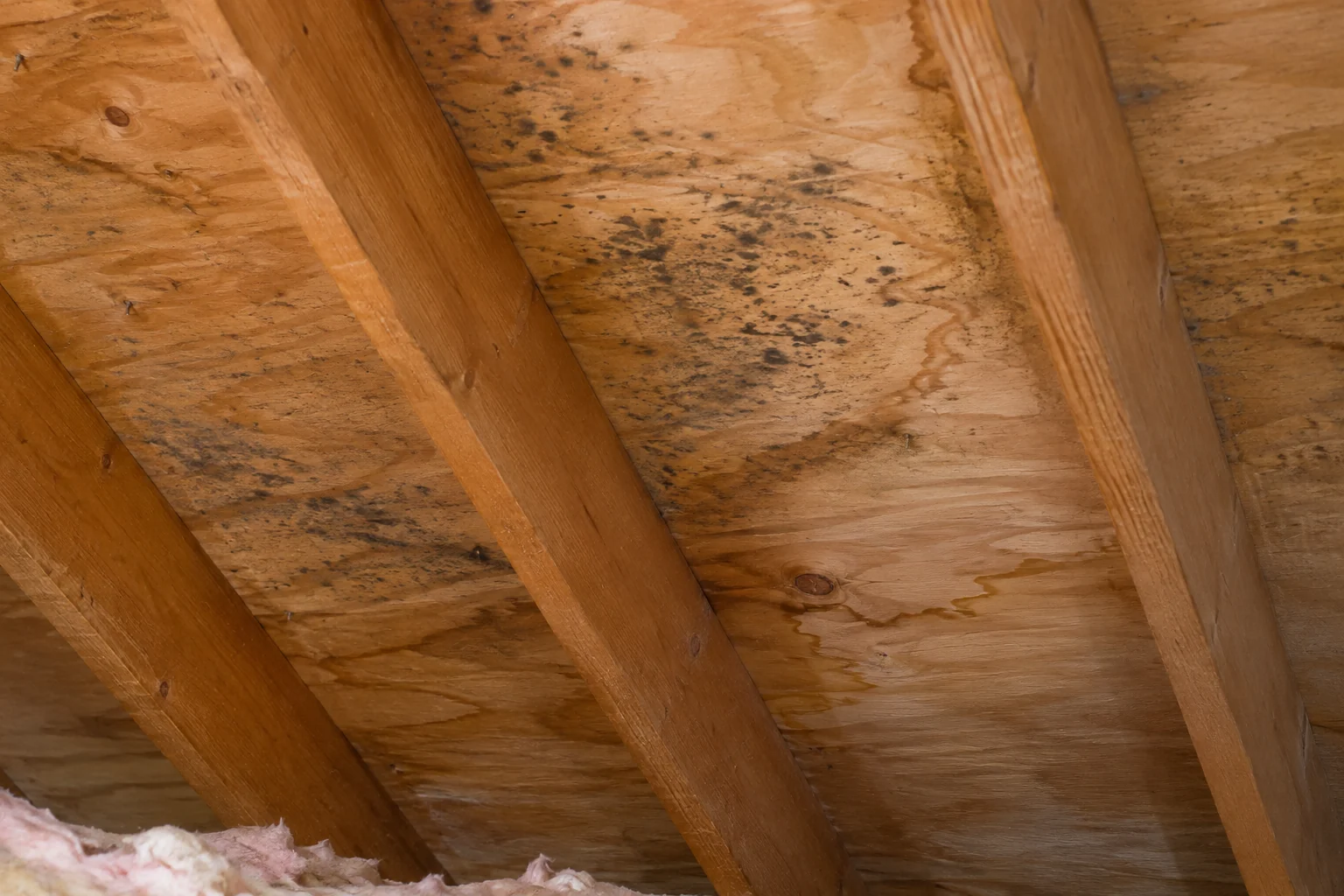
The attic acts as a buffer between heated living areas and outdoor elements. Since it is often out of sight, moisture issues can develop unnoticed in rafters and roof sheathing while rooms below remain unaffected.
Understanding how moisture enters the attic, recognizing early signs, and addressing the source are essential to maintaining your home’s structural integrity and indoor air quality.
Why Roof Spaces Are Vulnerable to Mold
Attics experience significant temperature fluctuations. Warm, humid air from living spaces rises and moves into unconditioned roof areas. In cold weather, this vapor meets cold surfaces, causing condensation that saturates wood.
Key moisture pathways that foster attic mold include:
- Warm interior air leakage: Heated air moving upward through unsealed ceiling penetrations, recessed lighting, and loft hatches.
- Direct roof and flashing leaks: Missing shingles, compromised chimney flashing, and clogged valley gutters that allow rainwater to penetrate the roof deck.
- Improper exhaust ducting: Bathroom extractor fans or tumble dryer vents terminating directly inside the roof cavity rather than discharging through exterior walls or the roofline.
- Unbalanced or blocked ventilation: Insulation shifted over eaves or soffits, restricting natural airflow and trapping stagnant, humid air under the ridge.
Subtle Clues Homeowners Notice First
Attic mold is rarely visible in main living areas. Homeowners typically discover it during roof inspections, insulation checks, or property assessments.
When inspecting your attic from the access hatch, watch for these signs:
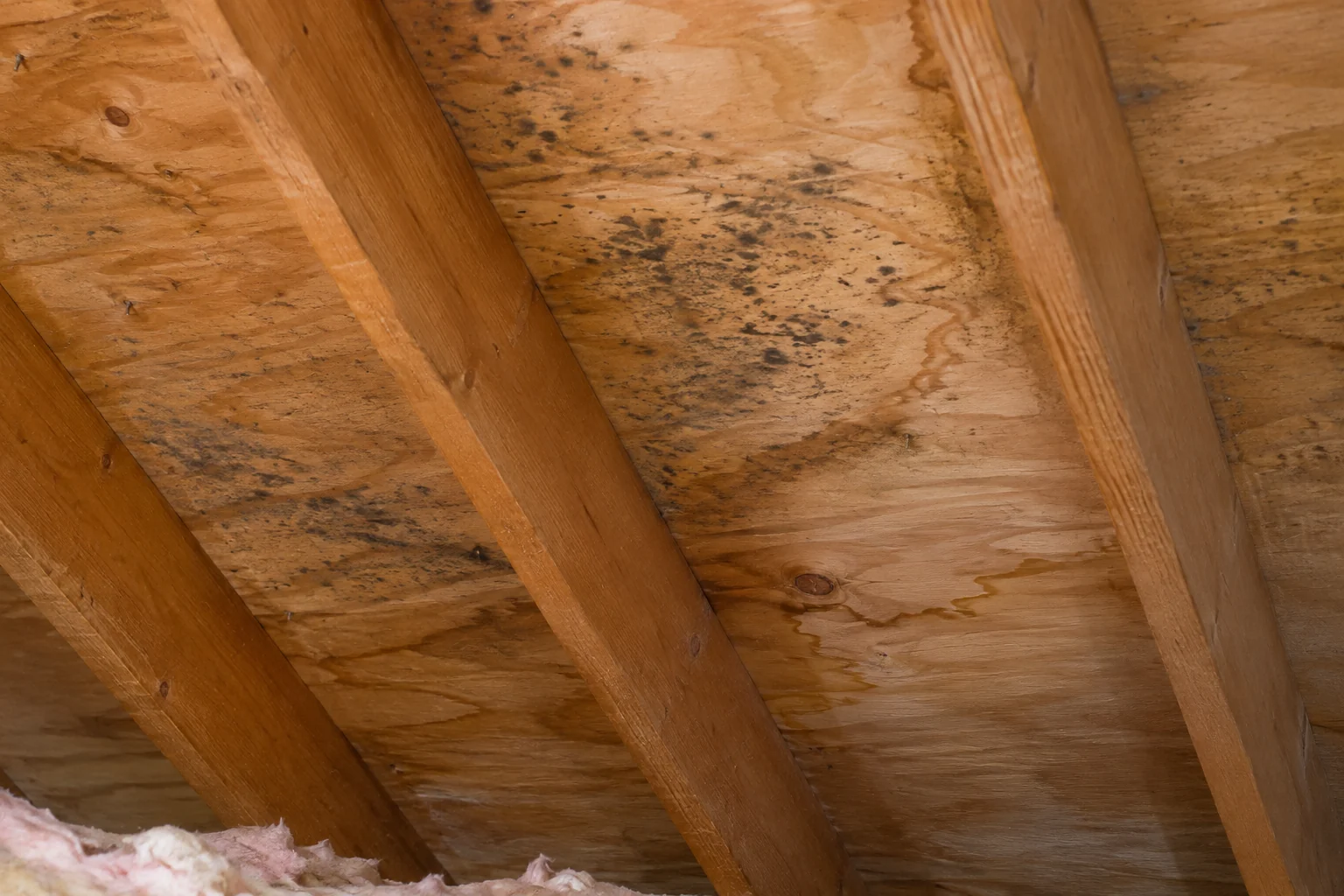
- Dark discoloration or spotting: Black, gray, or white powdery patches appearing along roof plywood, rafters, and ridge beams.
- Earthy or musty odors: A damp, stale smell lingering around the loft access panel or top-floor landing.
- Damp or compacted insulation: Fiberglass or cellulose insulation that feels wet, looks compressed, or shows dark water rings.
- Frost or surface water droplets: Shiner nails (roofing nails protruding through the deck) covered in frost or active beads of water during freezing weather.
Safety Note: Attics may have fragile ceilings, exposed wiring, and unstable footing. Do not walk on joists or enter crawlspaces without proper safety gear, stable walkways, and sufficient lighting.
Why Moisture Control Precedes Mold Remediation
Locating physical mold growth answers only part of the puzzle. Wiping away surface spores while leaving the humidity source untouched practically guarantees the problem will return during the next cold snap.
The U.S. Environmental Protection Agency emphasizes that moisture control is essential for mold management. If materials remain wet for over 24 to 48 hours, dormant spores can become active. Addressing the root cause requires a combined approach:
- Seal the ceiling plane: Apply expanding foam and fire-rated caulk around electrical wire chases, plumbing soil stacks, and drop-down stairs to stop interior vapor from rising into the attic.
- Verify exhaust duct integrity: Confirm that all bathroom fans connect to rigid, insulated ductwork that exhausts entirely outside the building envelope.
- Restore continuous airflow: Install rafter baffles (soffit vents) to maintain clear air pathways above your perimeter wall plates and ensure clear cross-ventilation from eaves to ridge vents.
Post-Remediation Care and Seasonal Maintenance
After repairing leaks and drying surfaces, regular monitoring helps protect your roof structure over time.
- Conduct seasonal checks: Inspect your attic twice a year, in fall before freezing weather and after heavy spring rains.
- Monitor cold-weather condensation: Check the attic during extended cold periods to ensure frost is not forming on nails or sheathing.
- Examine materials after roof work: Inspect the underside of the roof deck after shingle replacement, skylight installation, or solar panel maintenance.
Professional Remediation Tailored to Your Home
Effective mold removal depends on the extent of contamination and the materials affected. Professional teams do not use cosmetic paints to hide issues. Instead, they set up containment zones, use HEPA air scrubbers, remove affected materials, and clean structural framing.
If you suspect hidden attic mold or need a thorough moisture assessment, AdvantaClean provides evaluation and remediation services tailored to your property. For more information or to contact a local specialist, visit AdvantaClean’s mold remediation page or call (877) 800-2382.