Use a Fall Maintenance Schedule to Lower the Risk of Indoor Mold
Preventing mold starts with managing water. Mold spores are always around, both inside and outside, but they only grow when there is moisture. The U.S. Environmental Protection Agency says that controlling moisture is the main way to control indoor mold.
Fall is a good time to check your home because changing temperatures can show where condensation or drainage problems are happening. Try to find what keeps things damp and fix those issues before winter sets in.
Look Over the Outside of Your Home After It Rains
After a steady rain, walk around your property. Check for water pooling near the foundation, gutters that are overflowing, broken downspouts, or drainage that sends water toward your house. Leaks outside can later cause stains or damp spots inside.
Debris from the season, like leaves, can quickly change how water drains. Gutters or outside drains that worked fine before may get blocked.
Inspect Rooms Where Moisture Tends to Linger
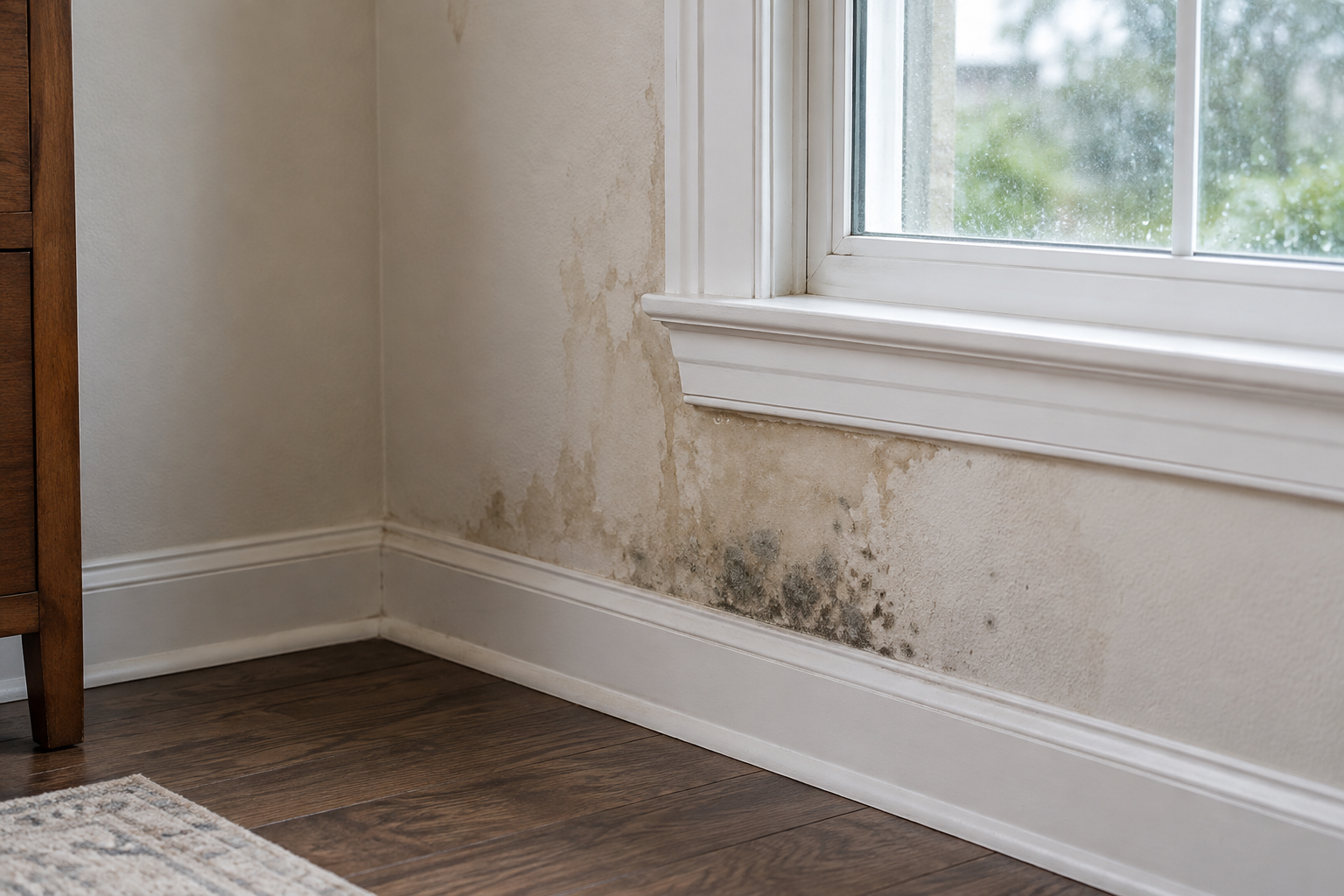
Pay extra attention to bathrooms, kitchens, laundry rooms, and basements. Look under sinks and around pipes. Check ceilings under bathrooms or plumbing for new stains. In basements, watch for dampness, condensation, or musty smells.
Good ventilation helps control indoor moisture. Make sure exhaust fans work well and that your dryer vents outside. If you often see condensation on windows or cold surfaces, you may need to adjust your indoor humidity.
Act Fast If You Find Anything Wet
EPA guidance recommends drying water-damaged materials within 24 to 48 hours when possible. Carpet, drywall, insulation and other porous materials can hold moisture after the visible surface appears dry. Treat a leak discovered during fall maintenance as a moisture problem, not something to cover with paint or a new finish.
If something keeps getting wet, look into it. A stain that comes back could mean a roof, plumbing, or condensation problem that needs to be fixed at the source.
Recognize When a Mold Problem Needs Extra Help
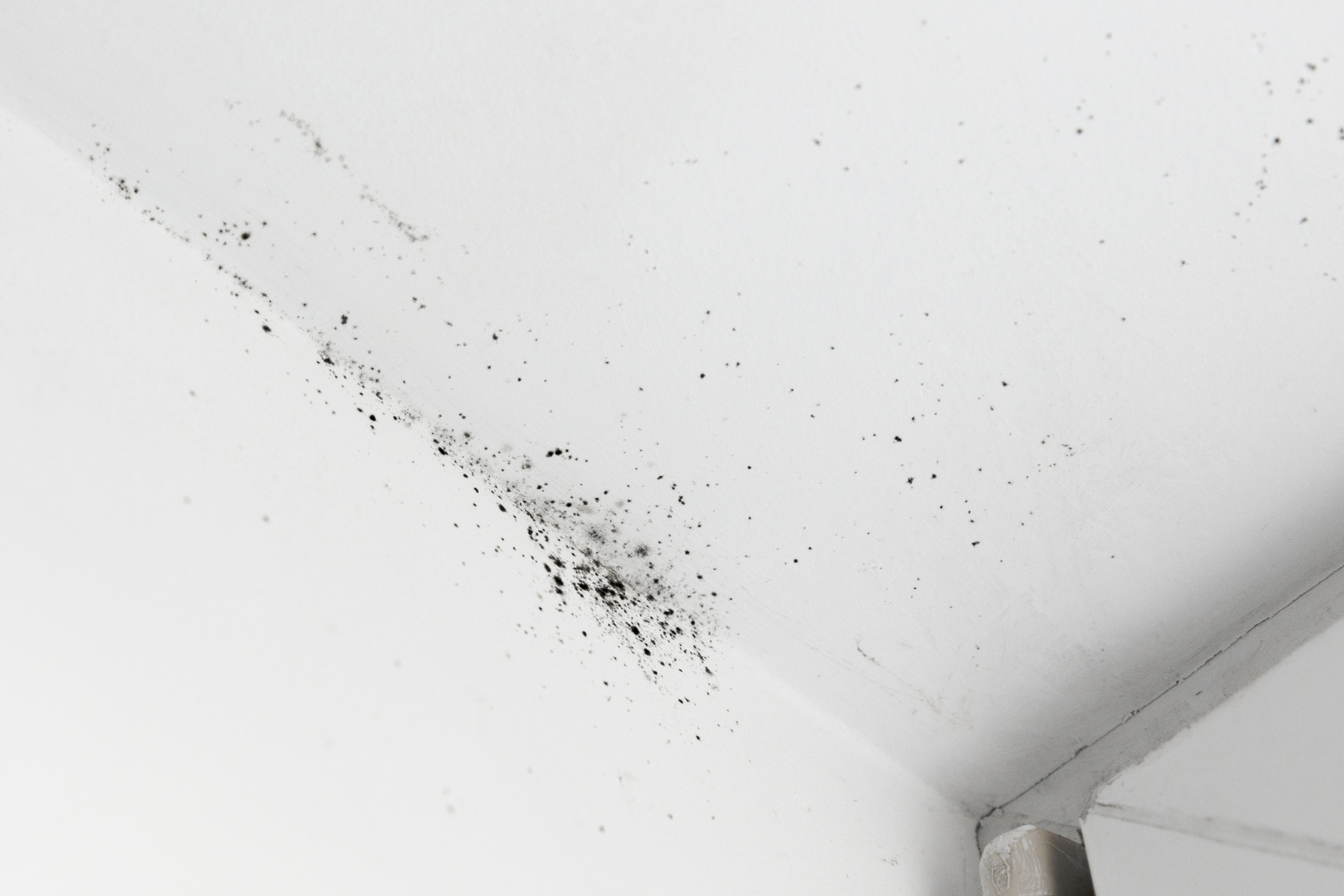
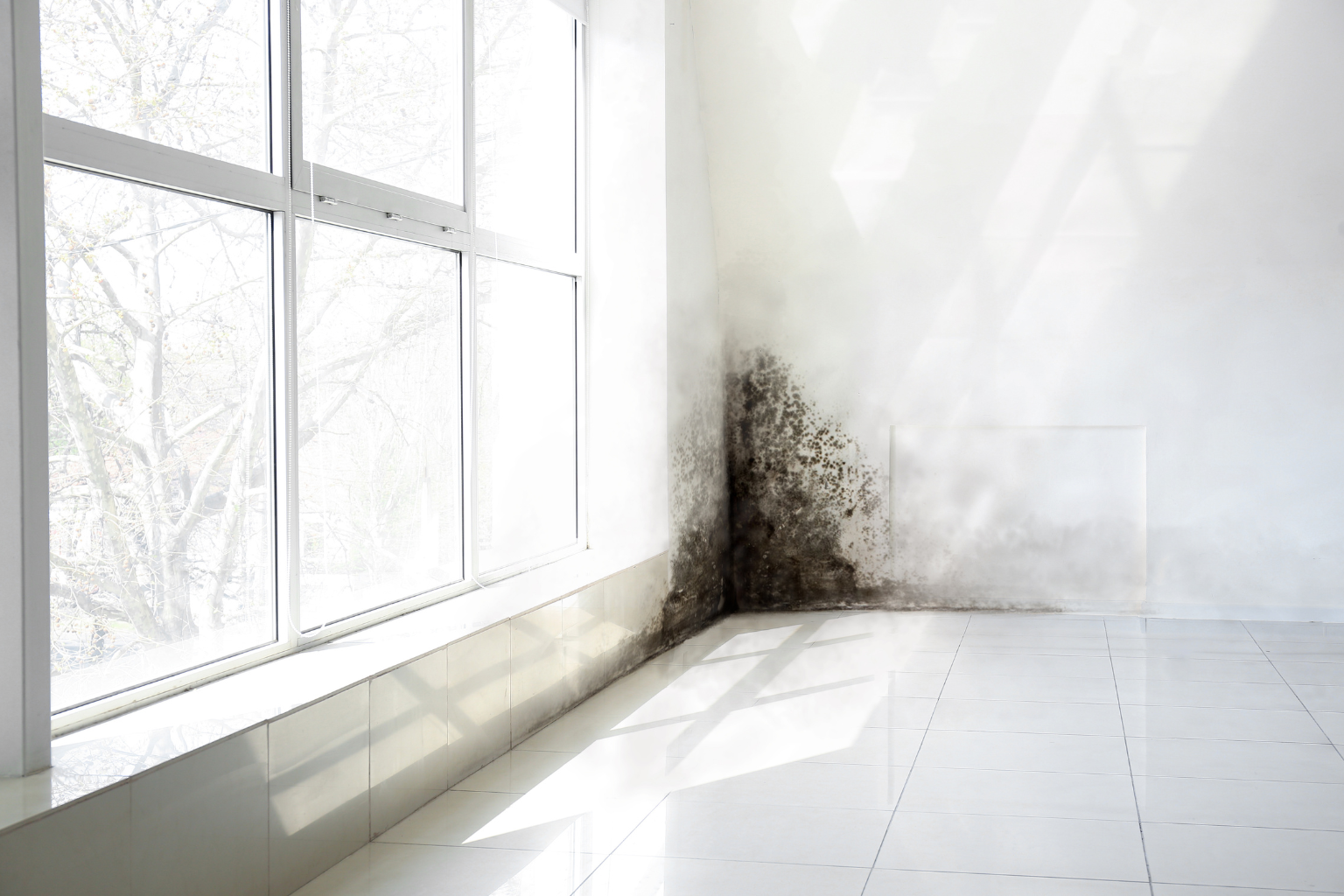
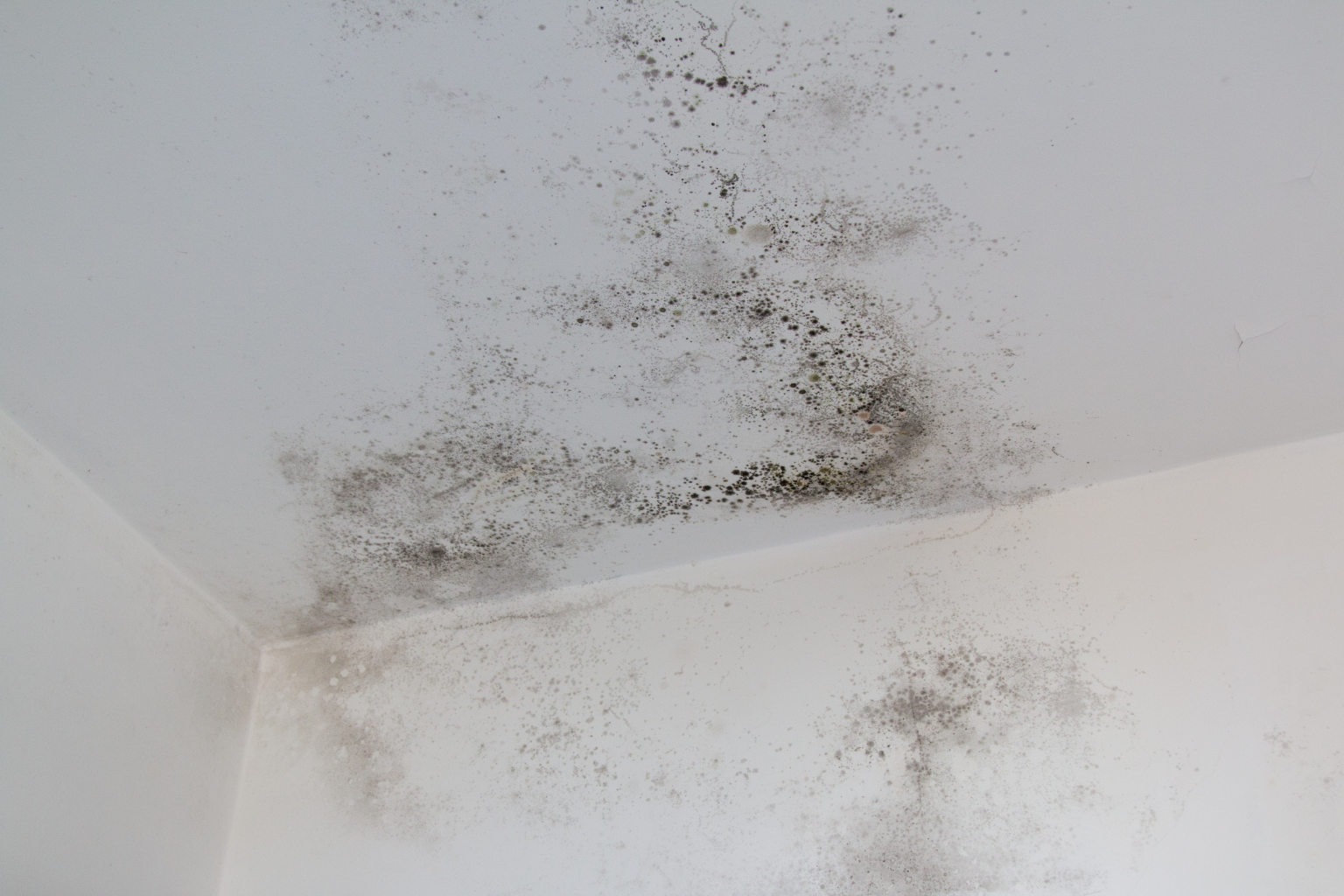
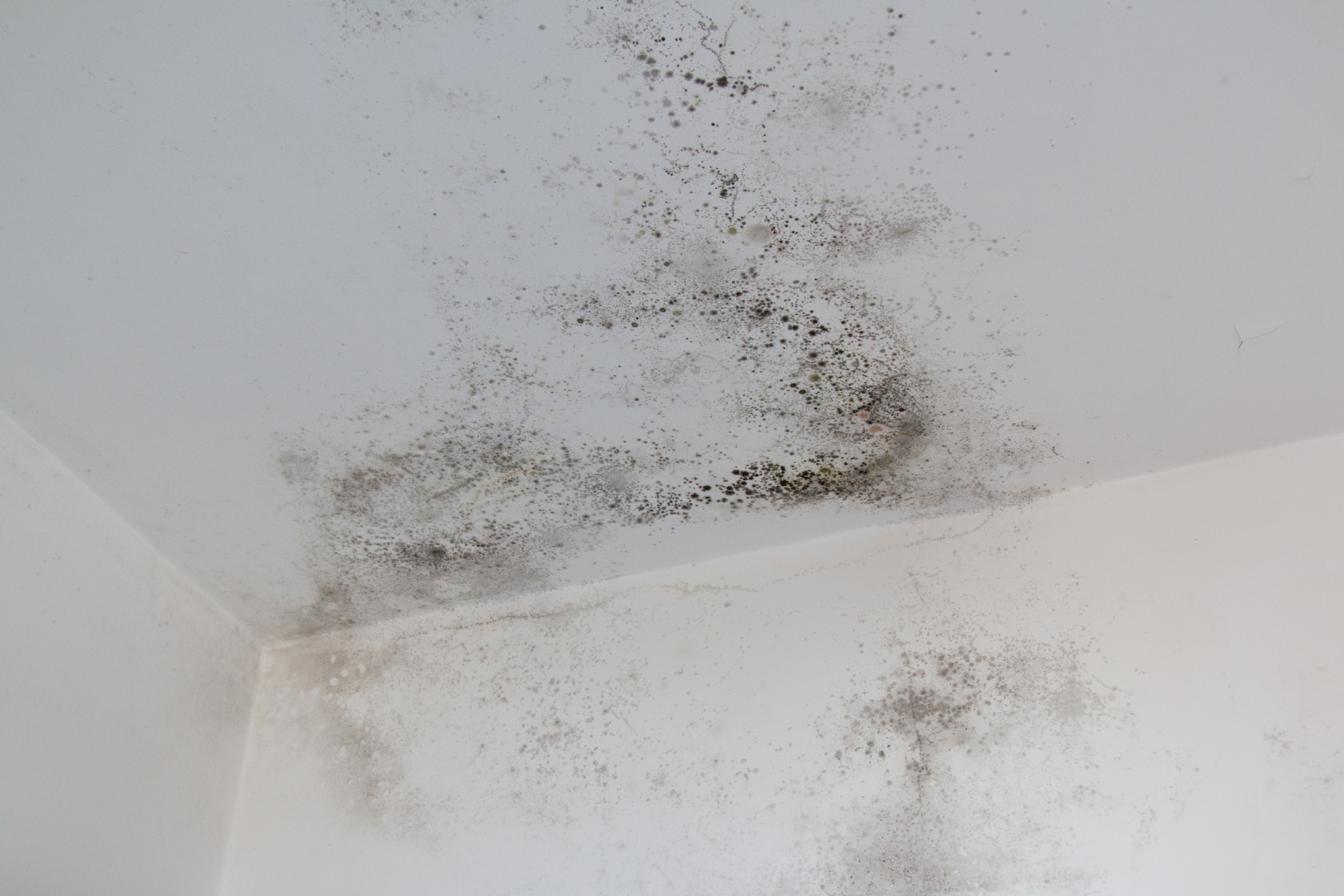
If you see mold or notice a musty smell that won’t go away, it’s time to move from prevention to cleanup. The size of the area, the source of moisture, and the materials involved will affect how you handle it.
AdvantaClean offers mold removal, remediation, and moisture control services. Their information on mold remediation explains why it’s important to fix both the contaminated areas and the moisture problems that cause mold to grow.
Keep the Checklist Active Through the Season
It’s best to make fall inspections a regular habit, not just a one-time task. Check places that have leaked before, keep an eye on humidity when you start using heat, and look again after big storms. Things can change as it gets colder.
Check out AdvantaClean’s mold remediation page for more information. Homeowners with mold or moisture concerns can also call (877) 800-2382. Services vary by location.