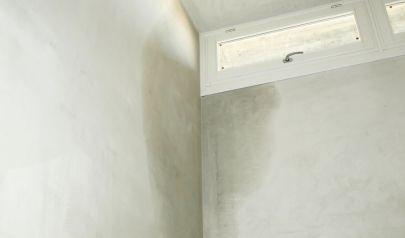
Hidden Issues High Humidity Can Cause
As the summer heat kicks in, it often brings more than just sunshine—indoor humidity levels start to climb. That rise in moisture may not grab your attention right away, but over time, it can quietly create real problems. Unlike sudden leaks or storm damage, this type of moisture tends to build slowly, often without any immediate signs.
Where Humidity Likes to Settle (condensation and absorption)
In many homes, humid air finds its way into tight spaces such as:
- Between walls
- Under flooring
- Inside crawlspaces and attics
When ventilation isn't ideal, or the building envelope isn't sealed correctly, that air tends to linger. Over time, it can lead to warped wood, paint peeling, or mold forming in areas you don't often see.
How Each Room Reacts to Summer Dampness
Different areas of the house show signs in various ways. Kitchens and bathrooms might show soft spots in the walls or foggy mirrors that are never quite clear. Basements are often the first place you'll catch that telltale musty smell, even if no mold is visible yet. Attics, if not properly vented, can trap warm air just below the roofline, leading to slow material breakdown from above.
Wood flooring is particularly sensitive. When humidity levels spike, boards may swell or lift slightly. Around windows, you might see condensation forming inside the glass. In soft materials like insulation or carpet padding, moisture tends to remain well below the surface.
What You Can Do to Keep Humidity in Check
Air movement is your first ally. Ceiling fans and cracked windows (when temperatures allow) help cycle out stagnant air. Kitchens and bathrooms should have working exhaust fans that vent directly outside, not into attic spaces. It's also worth checking if your HVAC system has a built-in dehumidification feature. If not, a standalone dehumidifier can make a big difference, especially in lower levels or laundry rooms.
Around the outside of your home, look for gaps or cracks near windows and doors. These small openings let warm, moist air drift inside. Sealing them not only helps control humidity but may also trim your cooling costs.
How to Keep an Eye on Moisture Levels
A digital humidity gauge (or hygrometer) is an inexpensive way to track indoor conditions. Ideal indoor humidity is usually between 30% and 50%. Once levels start creeping past 60%, the chances of moisture accumulation increase.
Catch Issues Early, Before They Escalate
Most moisture problems don't appear overnight. By the time you see mold or feel soft spots in the flooring, the damage has often been building for weeks or months. Summer humidity doesn't need to be a threat—if your home is set up to handle it.
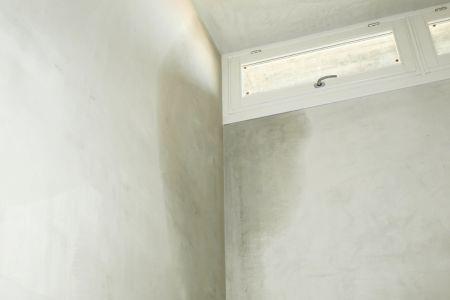
Have you noticed signs of moisture damage, such as swelling wood, damp smells, or trouble spots that won't dry out? Call AdvantaClean at (877) 800-2382.