Office buildings create a very specific kind of indoor air quality problem because the air does not stay in one place long enough for anyone to blame a single source. It moves through conference rooms, shared hallways, break areas, restrooms, reception zones, and HVAC systems—collecting particulates, odors, and moisture as it goes. By the time occupants notice stale air, persistent dust, or lingering smells, the issue is rarely isolated. It’s usually a building-wide pattern tied to how the environment is functioning.
That’s why commercial indoor air quality (IAQ) cannot be approached as a surface-level issue. Office environments are layered. Carpet fibers hold particulates. Soft seating absorbs odors. Ceiling spaces collect dust migration. HVAC systems recirculate everything across areas with different usage and demand. Even routine factors—like past water events, construction residue, cleaning chemicals, or humidity imbalance—can shift the air quality profile across the entire building.
AdvantaClean approaches IAQ from that broader operational perspective. The goal isn’t to chase symptoms from room to room—it’s to understand what the building is doing, where the air is traveling, and what it’s carrying with it.
Why office buildings develop IAQ issues differently
In residential settings, air quality issues are easier to isolate. In office buildings, they’re diluted across multiple spaces and often show up as small, inconsistent complaints. One area may feel dusty, another may hold a lingering odor, while certain rooms feel heavier at different times of day.
These inconsistencies usually point to underlying conditions such as:
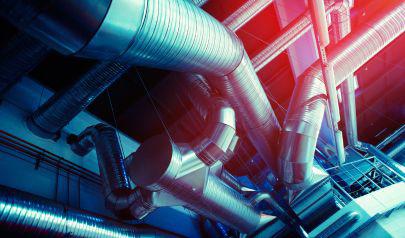
- Dust and debris circulating through ductwork
- Imbalanced airflow between rooms or floors
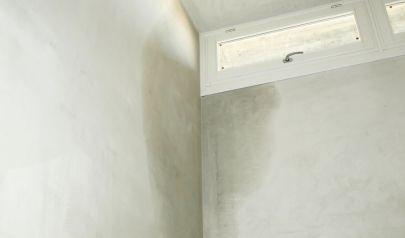
- Residual moisture from previous water intrusion
- Odor retention in carpets and shared materials
- Post-construction particles still moving through the system
A space can appear clean while still carrying poor air quality. In commercial environments, those two things don’t always align.
The real impact of poor IAQ
IAQ issues rarely stay subtle for long—they show up in how people experience the space.
Employees become distracted. Tenants raise concerns. Certain rooms get avoided. What starts as occasional discomfort often turns into recurring complaints that affect confidence in the building.
There’s also a compounding effect. Dust buildup can reflect HVAC inefficiencies. Odors can point to moisture imbalance. Left unaddressed, these conditions can evolve into larger environmental problems that are more disruptive and more expensive to correct.
What effective IAQ solutions actually involve
Effective IAQ solutions aren’t built around quick fixes or surface cleaning. They require identifying how air is moving through the building—and what it’s carrying.
In office environments, solutions often include:
- HVAC and duct system cleaning
- Source removal of dust, debris, and contaminants
- Moisture and humidity control
- Odor mitigation within porous materials
- Airflow and ventilation evaluation
The goal isn’t to treat symptoms individually. It’s to correct the conditions affecting the building as a whole.
AdvantaClean evaluates indoor environments with that in mind—focusing on system-level behavior rather than isolated complaints.
Common conditions behind office IAQ complaints
Many office buildings experience similar underlying issues, even if the symptoms vary:
- Dust buildup inside HVAC systems and returns
- Lingering effects from past water intrusion
- Odors trapped in carpets, walls, and shared furnishings
- Inadequate air exchange in high-use areas
- Filtration that no longer matches the building’s needs
- Microbial growth in low-visibility areas
These conditions often overlap, which is why IAQ problems can feel inconsistent across the same property.
IAQ as part of long-term building performance
IAQ isn’t a one-time fix—it’s part of how a building performs over time. Properties that treat it as part of overall facility management tend to avoid the recurring issues that disrupt occupants and operations.
AdvantaClean helps commercial clients address IAQ by identifying the source of imbalance and correcting it at the system level.
When an office building starts to feel off, it’s usually a sign the environment isn’t functioning the way it should. The right approach isn’t to mask it—it’s to correct it.