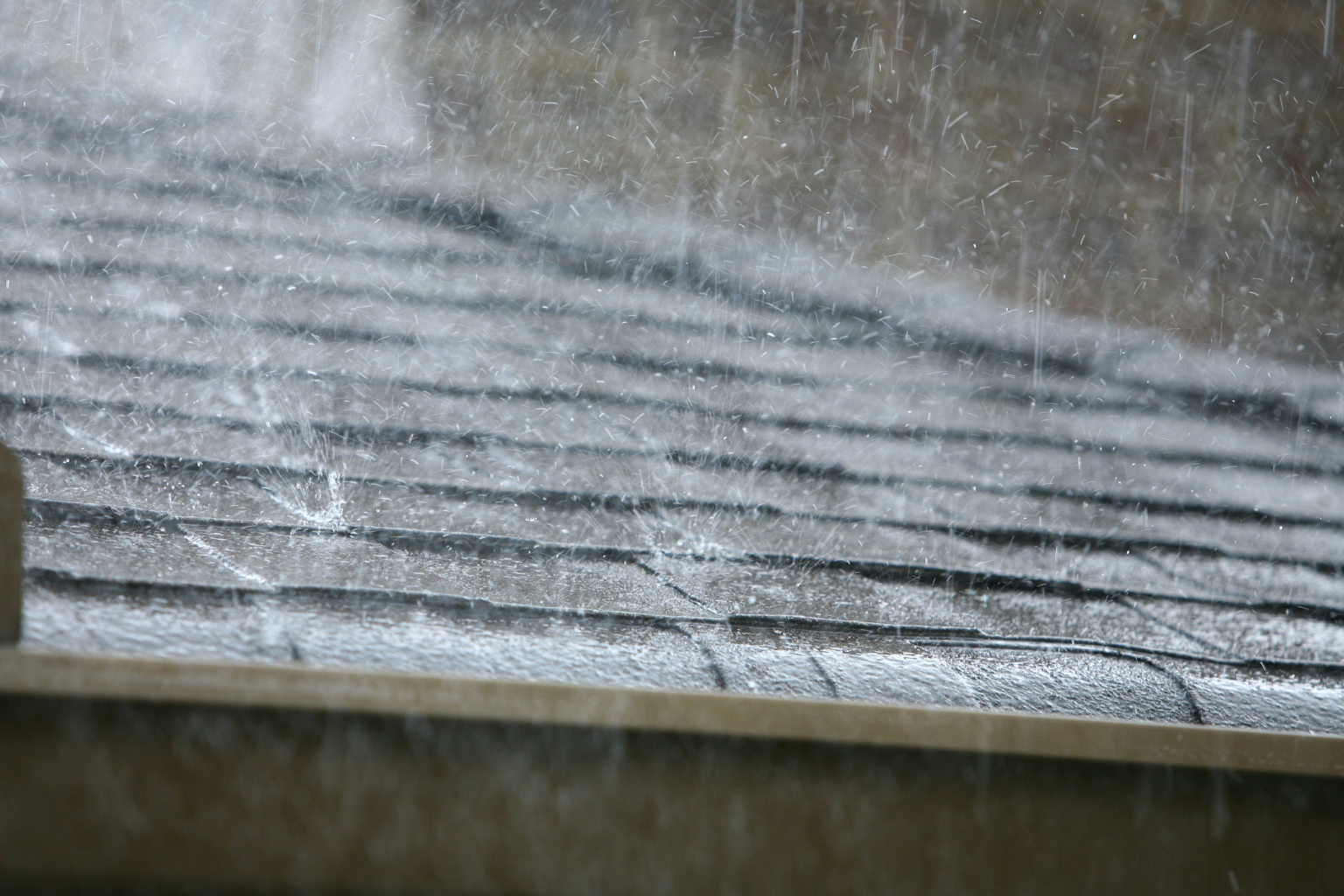
Severe weather can disrupt a business within minutes. High winds may damage roofing and windows, while heavy rain can overwhelm drainage systems or enter through newly created openings. Flooding, power outages, damaged equipment, and blocked roads can keep employees and customers away long after the storm passes.
Although no plan can eliminate every risk, preparation gives business leaders a clearer path forward. The goal is to protect people first, reduce avoidable damage, and establish procedures for restoring critical operations.
Assess the Property’s Storm Risks
Preparation should reflect the property’s location, construction, and daily operations. Coastal businesses may face hurricanes and storm surge, while inland properties may be more exposed to tornadoes, hail, flash flooding, or falling trees.
Facility managers should inspect the roof, exterior walls, doors, windows, drainage systems, and areas where utilities enter the building. Loose roofing materials, damaged flashing, clogged drains, and deteriorated seals can allow rain to reach interior materials. Complete repairs before storm season whenever possible.
Trees should be evaluated for dead branches that could strike the building. Outdoor furniture, signs, equipment, and waste containers also need a secure location because high winds can turn unsecured objects into hazards.
Protect Employees and Visitors
Every business should maintain an emergency plan that explains how employees will receive warnings, where they should shelter, and when evacuation is required. The plan should account for visitors and anyone who may need help leaving the building.
Assign specific responsibilities to managers and provide backups in case key employees are unavailable. Staff members should know who can authorize a closure, contact emergency services, notify the insurance carrier, and communicate with the restoration company.
Current phone numbers and email addresses should be stored in more than one location. If the building loses power or internet access, authorized employees still need a reliable way to reach one another.
Prepare Critical Business Assets
Move valuable inventory, documents, and portable equipment away from windows and areas with a history of flooding. When practical, store inventory on shelving or pallets rather than directly on the floor.
Important records should be backed up securely offsite or in a cloud-based system. Insurance policies, building plans, vendor contacts, equipment inventories, and employee information must remain accessible even if on-site computers are unavailable.
Generators should be inspected and operated only according to manufacturer instructions. They must remain outdoors and away from doors, windows, and air intakes because generator exhaust contains carbon monoxide. Only trained and authorized personnel should operate utility shutoffs or emergency power systems.
Plan for Business Continuity
Storm preparedness should address how the organization will operate if the property becomes temporarily inaccessible. Identify the departments, systems, and equipment that must be restored first. Determine whether employees can work remotely, customers can be redirected, or essential functions can move to another location.
Businesses should also identify alternate suppliers and delivery procedures. A property may escape serious damage but still experience delays because roads, utilities, or vendors are affected.
Review the plan with employees before severe weather season and after major staffing or facility changes. A short practice exercise can reveal outdated contacts, unclear responsibilities, or records that cannot be accessed remotely.
Review Insurance and Document the Property
Business owners should review property, flood, equipment, and business interruption coverage with a qualified insurance professional. Standard commercial policies may not cover every source of storm or flood damage.
Maintain a current photographic inventory of the building, equipment, furniture, and valuable contents. After a storm, document visible damage before items are moved or discarded, provided the property is safe to enter. Save receipts for emergency expenses and temporary repairs.
Take Care After the Storm
Do not reenter a damaged property until authorities confirm that the area is accessible. Standing water may conceal electrical hazards, contaminated material, sharp debris, or weakened flooring. Damaged ceilings and roofing can also collapse without warning.
Once access is permitted, contact the insurance carrier and a qualified restoration company. Temporary board-up, water extraction, structural drying, debris removal, and mold remediation may be needed. Quick action can limit continued damage, but cleanup should follow a documented plan based on actual building conditions.
Establish a Restoration Contact in Advance
Searching for qualified help during a widespread disaster can delay the response. Businesses should identify a restoration provider before storm season and keep that contact information in their emergency plan.
AdvantaClean provides 24/7 commercial restoration services for water, mold, fire, sewage, and natural disaster damage. Our teams can assess affected areas and provide services such as emergency board-up, water removal, structural drying, and mold remediation when appropriate.

For help after hurricane or storm damage, request service from AdvantaClean or call (877) 800-2382. Each AdvantaClean franchise is independently owned and operated, and available services may vary by location.