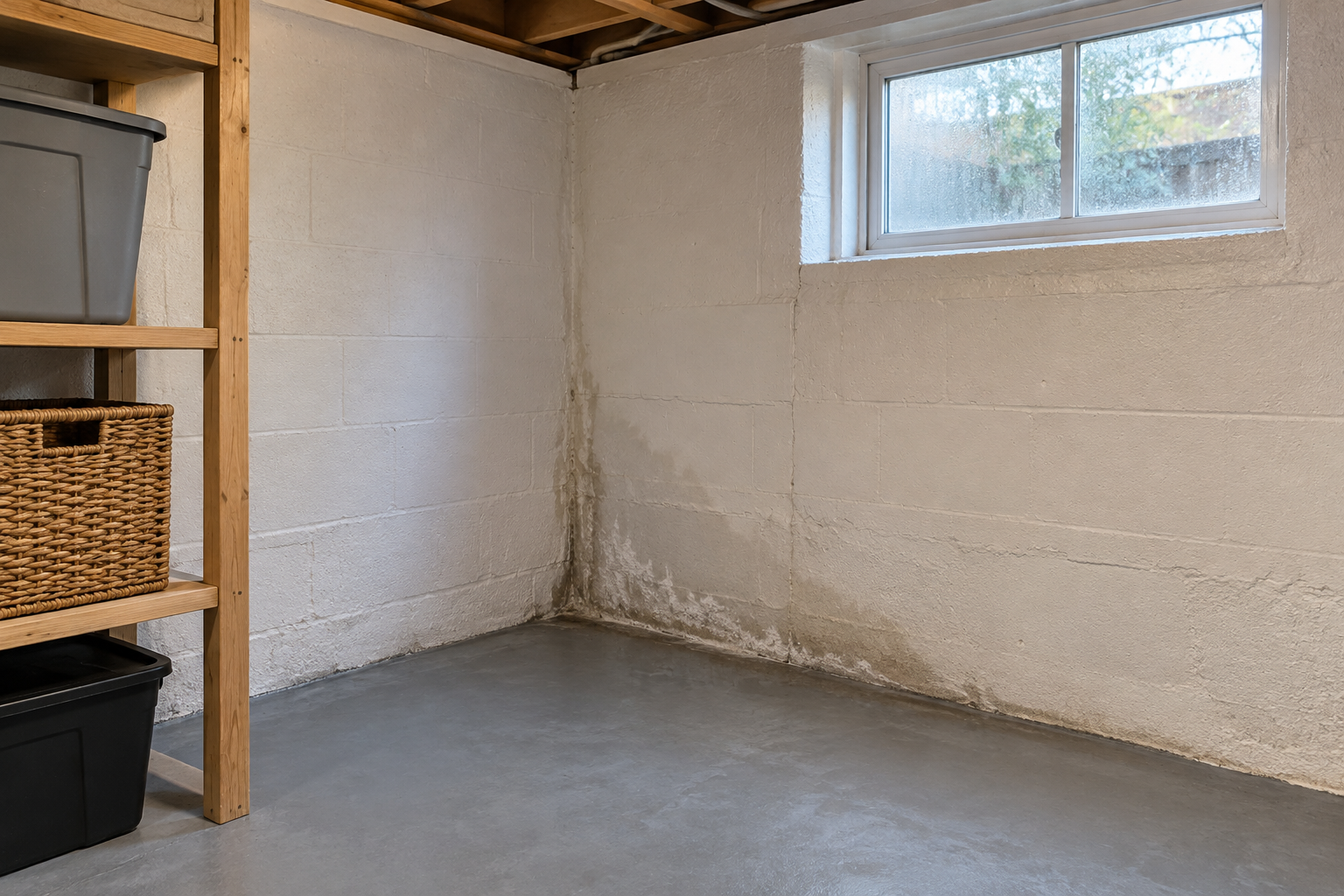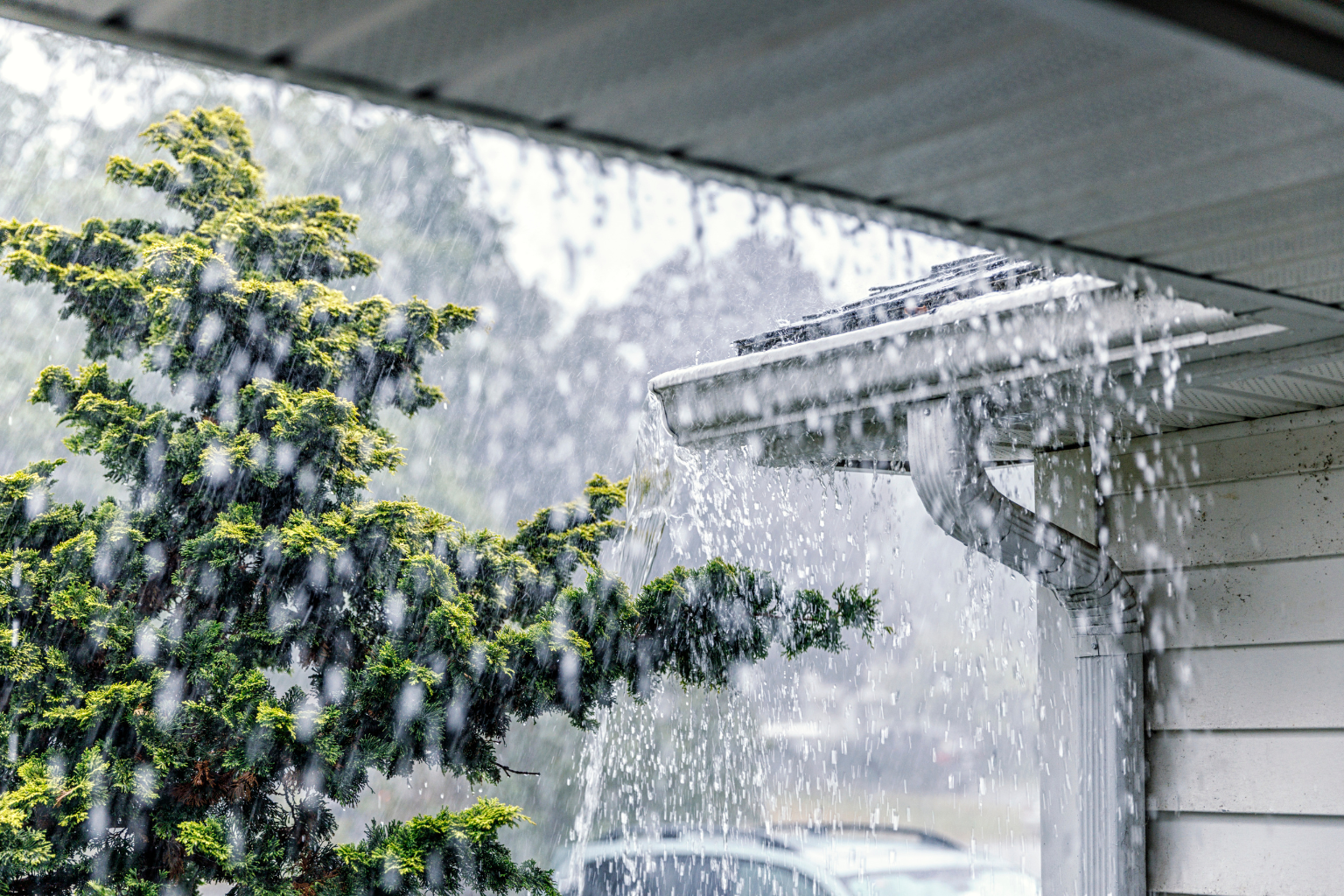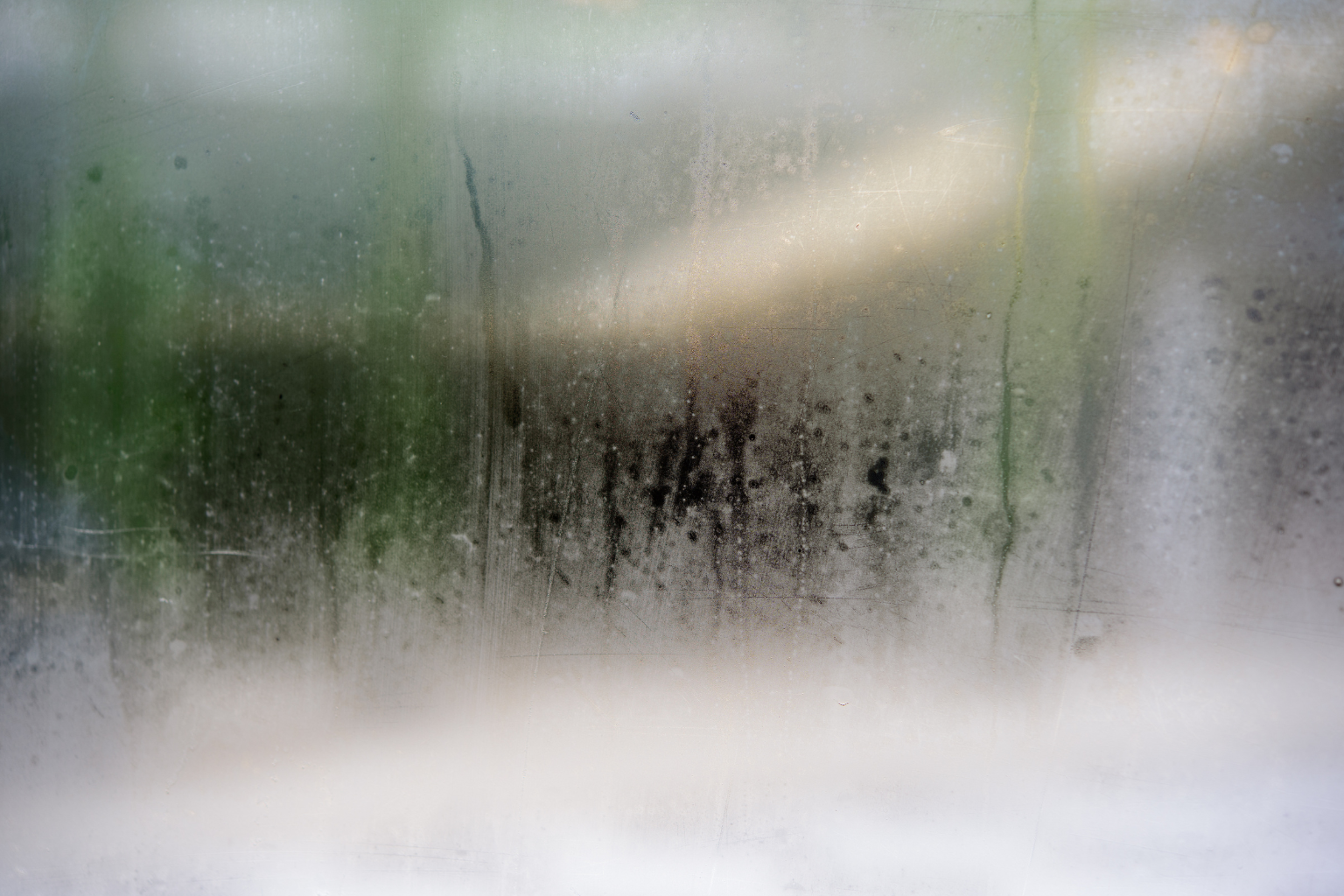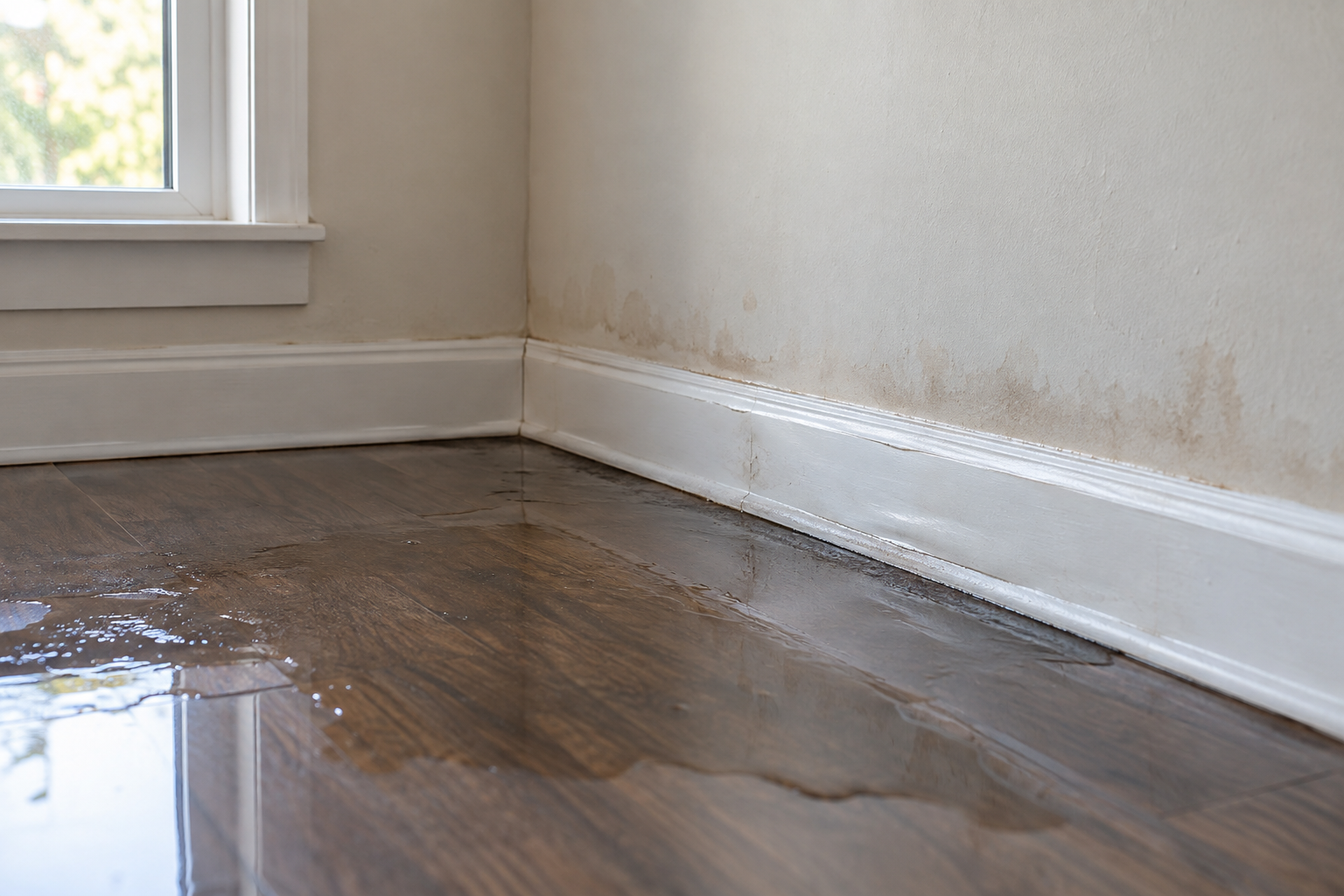
A leaky supply pipe, an overflowing washing machine or a sudden flood can cause the condition of a house to change very quickly. The water you see on the floor may be only one part of the problem. Moisture can seep underneath the flooring, be absorbed by the drywall, reach the insulation and get into areas that are difficult to check without the right equipment.
The first 48 hours are a vital stage for taking control of the situation, and during them homeowners should focus on looking after their own safety, attempt to stop the source and find out how far the water has spread.
Start with Safety and the Water Source
It is worthwhile thinking about what may be happening beyond the obvious damage when you are planning to go into an area that has been affected by water. Water near electrical outlets or equipment can be dangerous. If a ceiling is sagging, this might indicate that water has collected above it. Furthermore, contaminants can be introduced by sewage overflows or by flooding from outside, and this will influence the way in which the area should be handled.
If it is safe to do so, find and stop the source of the water; this might mean switching off a supply valve, turning off the main water supply to the house, or repairing an overflowing outlet.
During these first hours:
- Make it so that people and pets do not go into areas which might be unsafe.
- Stop the water supply when it is safe to do so.
- Take the dry objects out of the affected area.
- Do not place any electrical equipment near water that is standing.
- If you're unsure about how serious the problem is, then get in contact with a specialist in water damage.
Once the source has been taken care of, attention can then be given to recording the damage and evaluating the areas to which the moisture has spread.
Document the Damage Before Conditions Change
The way water damage looks can be quite different after the standing water has been taken away or once the items have been moved. Photos and videos act as a record of the original condition and can be useful when speaking to an insurance representative.
Also take photographs of the apparent source as well as of the rooms that have been affected, together with the flooring, the walls and the damaged possessions. Wide-angle photographs will show the general situation, while more detailed ones will show the specific damage. Keep the receipts for any reasonable emergency expenses or temporary arrangements associated with the incident.
The insurance coverage terms and the conditions about making claims vary depending on the kind of policy. Individuals who have home insurance should obtain advice from their insurance company or their representative in relation to the issue in their specific situation.
It must never happen that the documentation unfairly obstructs action taken to protect the property, since the wet materials can still absorb and transmit moisture while the photographs are being taken and the calls are being made.
Look Beyond the Water You Can See
A problem connected with water damage in homes is that moisture almost never stays in a clearly defined and obvious boundary.
Water is able to seep under the finished flooring and the baseboards. When the level of water is above the original waterline, drywall can absorb moisture. In a similar way, even if the room appears to be much drier, the insulation, the cabinetry and the subflooring could still have retained water.
Signs of moisture beyond the obvious wet area may include:
- Swollen baseboards or trim
- Bubbling or peeling paint
- Soft or discolored drywall
- Warped flooring
- Persistent dampness or elevated humidity
- Musty odors that develop after the initial cleanup
Equipment for detecting moisture is able to identify situations that cannot be judged simply by touching the materials or by looking at them. It can then be used to help with decisions about drying and to decide whether the materials in question can remain in their present position.
Make the First 24 to 48 Hours Count
The United States Environmental Protection Agency recommends that wet or damp materials be dried within 24 to 48 hours if at all possible in order to help prevent the growth of mould, and it is therefore particularly important to remove and dry any water as quickly as possible during the first two days.
Effective structural drying is not the same as just switching on a household fan in a damp room, since water can become trapped in the walls, under the flooring or in porous materials. The method used for drying must take into account the types of materials concerned and the amount of moisture they have taken in.
The water extraction, the assessment of moisture levels, the disposal of any materials that cannot be properly restored and the use of drying equipment may all be part of professional water damage restoration, depending on the circumstances.
The response that is the right one also varies according to where the water comes from; the water from a supply line raises different issues than that which is connected with sewage or outdoor flooding.
Continue Checking the Home after Standing Water is Gone
While the removal of visible water is an important achievement, it does not mean that the structure is completely dry.
Keep a close eye on the rooms in question for the coming days, since new staining, alterations to the flooring, swelling of the trim or continued dampness could indicate moisture that wasn't obvious at the first response.
Odors can also give a hint. Any lingering musty smell following water damage should be taken notice of, especially when the damaged area includes drywall, insulation, carpeting or other porous materials.
The moisture conditions that caused the mould to appear should also be investigated. If the mould is cleaned without addressing the source of the water or humidity, the fundamental problem will not be solved.
Know When Professional Water Damage Restoration May Be Appropriate
The situation when there is a small amount of spill on a nonporous surface is quite different from that which occurs when there is a plumbing failure affecting a number of rooms. The need for professional assessment becomes more important as the area affected increases or when water gets to materials that are hard to examine and dry.
Consider professional assistance when:
- Water has moved into a number of rooms or storeys of the house.
- Drywall, insulation, carpeting or other porous materials all become saturated.
- Water could have moved under the flooring or behind the walls.
- The water in question may have been contaminated.
- There is a musty smell or mold can be seen.
- It is not possible to tell whether the materials in question are really dry.
AdvantaClean offers residential water damage restoration services which can assist in identifying the areas that have been affected and in deciding on the suitable drying and cleaning actions according to the conditions existing in the property.
A Careful Response Can Help Limit Additional Damage
The first two days following water damage should be spent taking deliberate action; you should deal with any immediate dangers, try to stop the source and record what has happened. After these priorities have been attended to, you can find out where the moisture has gone and start the necessary drying process in order to prevent a problem that could have been managed from spreading further throughout the home.
Even when the surfaces appear to be dry, you should still keep an eye on the affected area for any changes. Moisture can still be hidden in the building materials even after the standing water has gone.

Homeowners who need assistance evaluating or restoring a water-damaged property can learn more about AdvantaClean water damage restoration or call (877) 800-2382 to discuss available services.