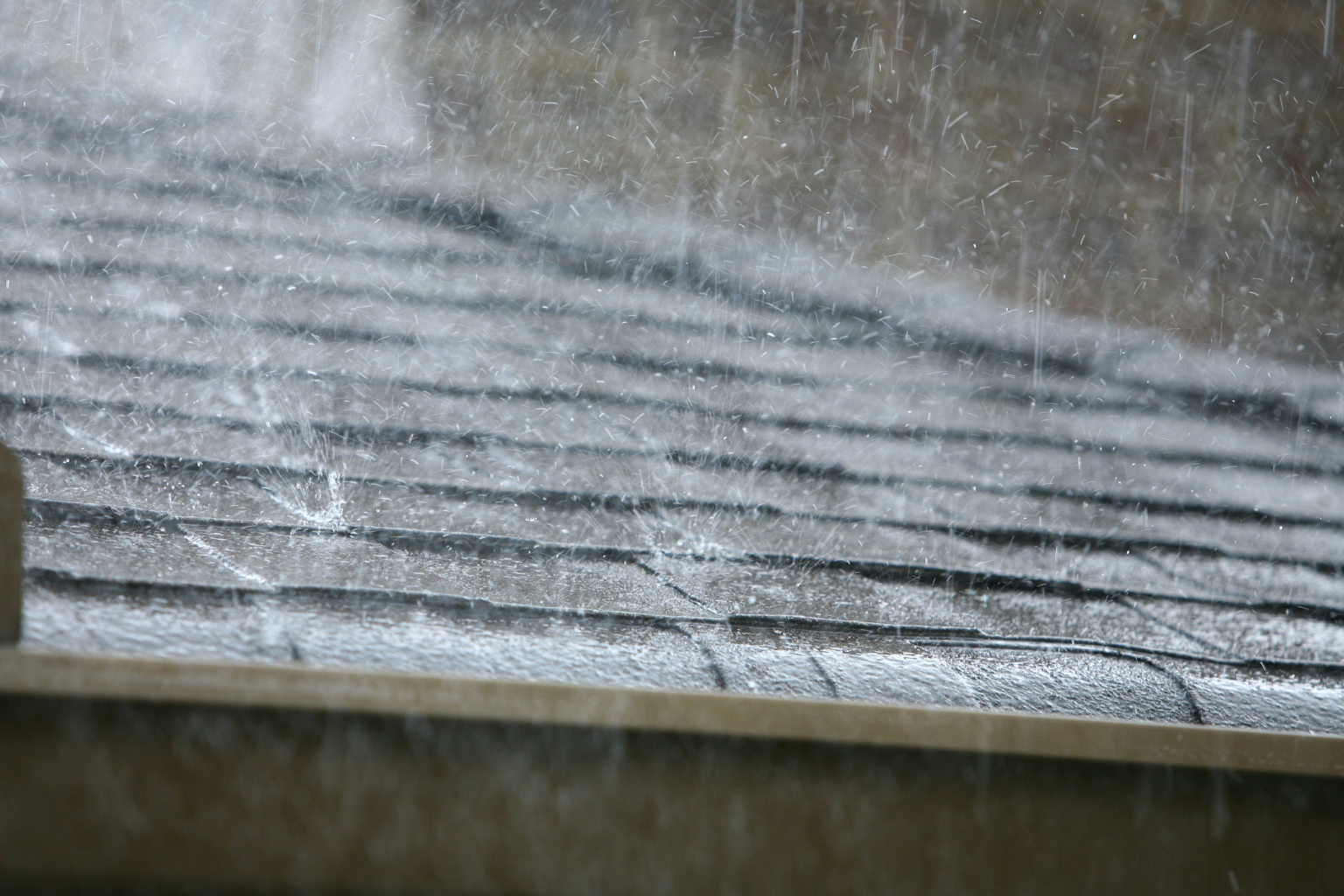
Few things are as relaxing as sitting inside with a glass of sweet iced tea while a summer rain taps on the window. Those quick downpours are great for your garden, but they can be harder on your house than you might think.
Not every summer storm causes clear flooding, but just one heavy rain can reveal hidden problems around your home. Water often sneaks in where you least expect it, and signs of trouble might not appear until hours or even days after the storm. Learning how rainwater moves around your property is an easy and effective way to keep your home dry and comfortable.
The Secret Life of Rainwater
When we think about storm damage, we often imagine things like fallen branches or overflowing rivers. However, most water problems at home begin much more quietly.
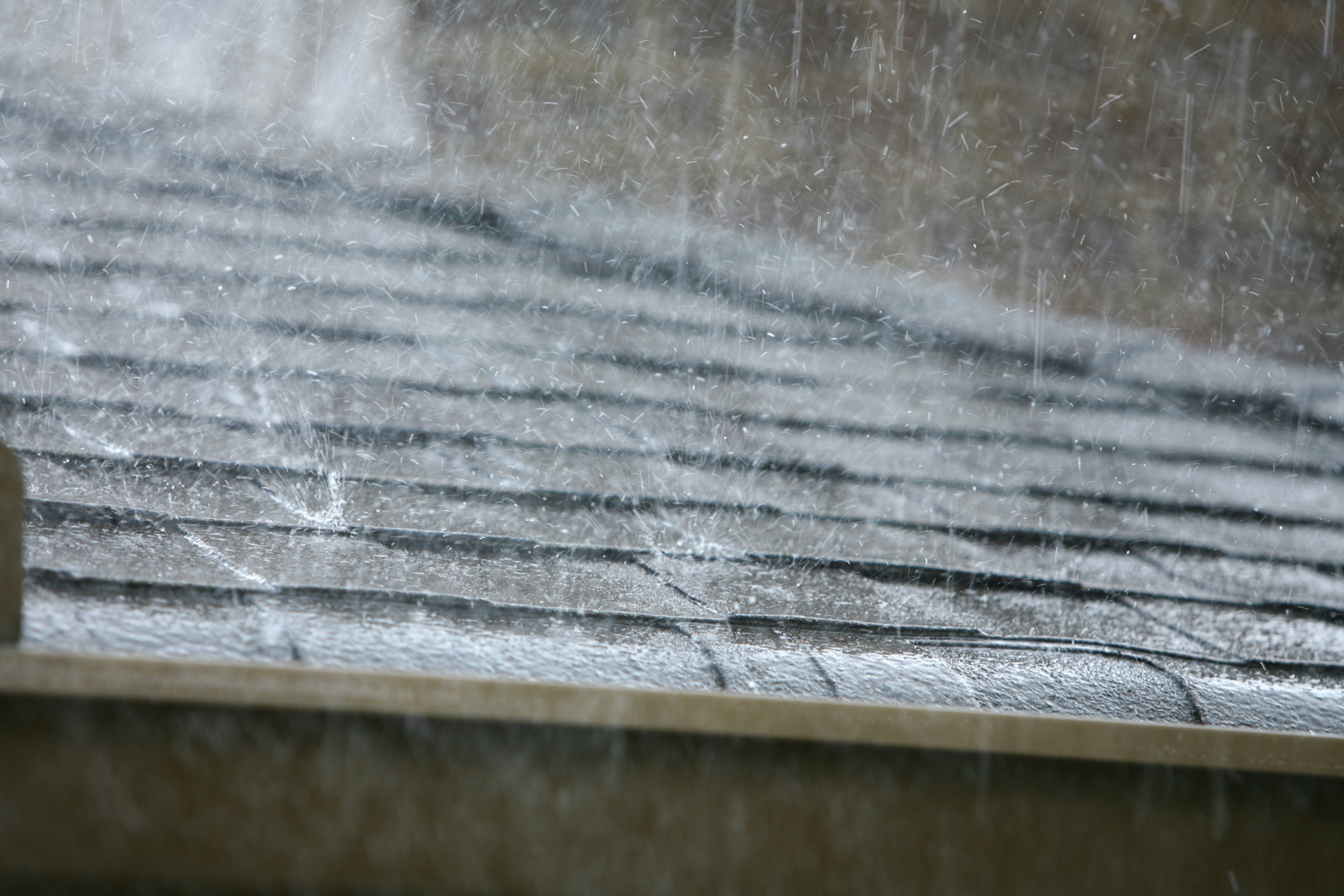
A single heavy rainstorm can send thousands of gallons of water over your roof in less than an hour. Every part of your home’s design, from the roof and gutters to the window trim and foundation, helps direct that water away. The home care experts at AdvantaClean say that understanding how water moves is key. When you know where water wants to go, you can make sure it ends up back in the ground, far from your living room.
Little Spots That Can Cause Big Surprises
You do not need a big flood to have water damage. Most moisture problems actually happen when a fast, heavy storm overwhelms a small, overlooked spot in your home.
A quick afternoon rain can easily find weak spots you may have missed during spring cleaning. Watch out for these common trouble areas:
-
Worn or cracked roof flashing
-
Brittle, aging window seals
-
Gutters overflowing with twigs and leaves
-
Soil that slopes back toward your basement walls
-
Tired, cracked brickwork or masonry
-
Downspouts that dump water right next to your foundation
-
Poor drainage near patios or walkways
Even a small gap can let water into your home when it starts to rain.
Why Water Damage Plays Hide and Seek
Water can be very persistent. It almost never moves in a straight line, so a small leak in your roof might drip onto a rafter, run down your insulation, and follow a wall stud before finally showing up as a damp spot on your living room ceiling.
That is why you might find a strange watermark days after a storm. By the time you see the stain, moisture could have already soaked into your walls. Spotting these early signs with a quick check after a storm can save you a lot of trouble and help keep your home fresh and healthy.
Show Your Gutters Some Love
Many people see gutters as just part of the roof, but they actually play a big role in protecting your home. When gutters are clear, they move rainwater away easily. But if they get clogged with leaves, seeds, or shingle grit, they can overflow.
When gutters overflow, water runs down your siding, soaks your window frames, damages your landscaping, and collects near your foundation. Over time, this extra moisture can cause peeling paint, damp crawl spaces, and even cracks in your foundation. Keeping your gutters clean helps protect your home from top to bottom.
Mind the Slope of Your Garden Beds
Good drainage begins at ground level. Your landscaping is an important part of your home's water management. The soil around your foundation should slope gently away from the house, guiding rainwater toward your lawn or garden.
If the ground slopes toward your house, gravity will send water straight to your basement or crawl space. Wet soil creates pressure that can slowly push moisture through tiny cracks in your concrete, causing musty smells and damp floors.
Your Five-Minute After-Storm Ritual
After the next storm, take a quick walk around your yard to see how your home handled the rain. It only takes a few minutes and gives you a chance to enjoy the fresh air. Here is what you should check:
-
Any shifted, cracked, or missing roof shingles
-
Gutters that are sagging or spilling water over the sides
-
Fresh water spots or dampness on your siding
-
Moisture pooling around your window sills
-
Damp spots or musty odors in your basement or crawl space
-
Puddles of standing water near your foundation
Spotting these small issues early can keep simple maintenance from turning into big repair jobs later.
Keeping the Inside Cozy and Dry
After the storm passes, the water outside may dry up, but any moisture that got inside can stay much longer. Wet insulation, damp drywall, and soaked carpets can hold water even after they feel dry. If left alone, this hidden moisture can harm your indoor air quality and the structure of your home.
Protecting your home means addressing small problems before they become big ones and acting quickly when you see a leak. By doing simple chores like cleaning the gutters, checking window seals, and watching how rainwater moves across your yard, you can relax during summer storms. If you ever need help, the local experts at AdvantaClean are ready to help you solve moisture problems and keep your home healthy, comfortable, and dry.