How to Improve the Air You Breathe Inside Your Home
As temperatures drop and the trees start shedding, all that organic stuff—leaf litter, pollen, bits of dust—builds up around the house. And after it rains? Mold spores spike. These minute particles don’t stay put either. They float inside through open doors, cracked windows, or even on your jacket. Once they’re in, your HVAC system does the rest. Air pushes them around, settles them into vents and fabrics, and for a lot of folks, allergy symptoms follow not long after.
Your HVAC system moves more than just air
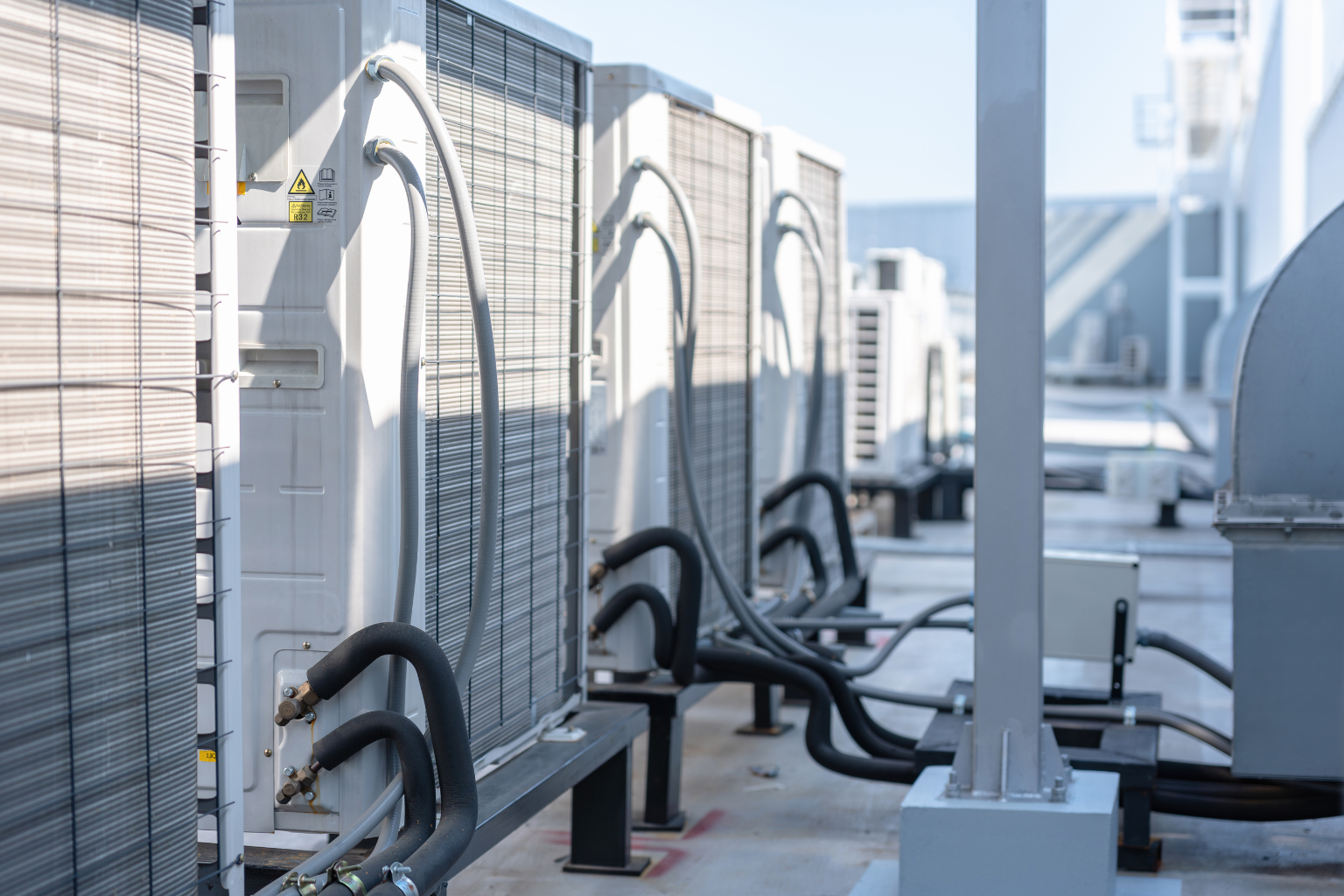
Central heating and cooling systems do more than adjust the temperature. They also circulate particles from one room to another. Dust, pet dander, mold fragments, and other allergens get pulled into the system and pushed throughout the house. If the filters are outdated or installed incorrectly, the system becomes part of the problem. HEPA filters are built to capture very fine particles, but only if they’re maintained properly.
Hidden moisture can create ongoing issues
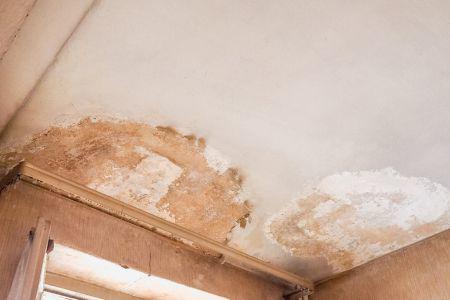
Cool fall air often leads to condensation inside enclosed areas. Basements, attics, and crawlspaces are especially prone to this. When warm indoor air hits cold surfaces, it can leave behind moisture. That dampness seeps into porous materials like:
- Insulation
- Carpet padding
- Drywall
- Fabric-covered furniture
These materials hold onto moisture and create a quiet opportunity for mold to grow. Even small amounts of active mold can release spores and gases known to irritate the lungs.
Cleaning the air takes more than cracking a window
Sure, that cool fall air feels nice, especially after a long summer. But it’s not always helping. Along with the breeze, you’re letting in pollen, mold spores, and all kinds of tiny stuff that make allergies worse. Opening a window seems like a quick fix, but in most cases, you’re better off using your ventilation system the way it was built to work. If it’s set up right—and maintained right—it’ll pull in filtered air without dragging in everything else.
Dust is more complicated than it seems
What we call dust is actually a mix of pollen, dead skin cells, pet dander, mold spores, and sometimes even waste from dust mites. It settles into carpets, furniture, and air ducts—then gets stirred up with movement. Standard vacuums don’t always catch the fine particles unless they’re equipped with sealed HEPA filters.
When symptoms don’t go away, testing can help
If you’ve cleaned thoroughly but still feel congested or sneezy, indoor air testing might be a good next step. A professional IAQ assessment can measure spore counts or detect airborne chemicals that might not be visible. Once those results come in, technicians can target specific areas using the right combination of drying equipment.
Call AdvantaClean at 877-800-2382 for residential IAQ assessments and help with fall allergy concerns. Our certified team uses proven tools and methods to restore indoor air quality and improve comfort in your home.