The air inside a workplace often receives far less attention than visible maintenance issues, yet it can have one of the biggest impacts on employee wellbeing. In commercial buildings, indoor air quality (IAQ) is influenced by ventilation systems, moisture levels, building materials, and everyday activity inside the space. When these factors fall out of balance, the air employees breathe throughout the workday can contribute to fatigue, headaches, respiratory irritation, and increased sick days.
Many workplaces unknowingly deal with air quality challenges that develop gradually. Dust accumulation inside HVAC systems, hidden moisture behind walls, aging building materials, or poor airflow can allow contaminants to circulate throughout the building. Over time, this environment can aggravate allergies and asthma, reduce comfort, and negatively affect employee productivity. In offices where dozens or even hundreds of people share the same air system, small air quality issues can affect a large number of employees at once.
Humidity levels also play a critical role in indoor air quality. When moisture levels rise too high, it can encourage microbial growth inside building materials or ventilation systems. Persistent moisture can also contribute to mold development, which may release airborne particles that affect indoor air quality and employee comfort if left unaddressed. When humidity drops too low, dry air can irritate the respiratory system and skin, making employees feel uncomfortable throughout the workday. Maintaining balanced humidity and proper airflow helps create a more stable and healthier indoor environment.
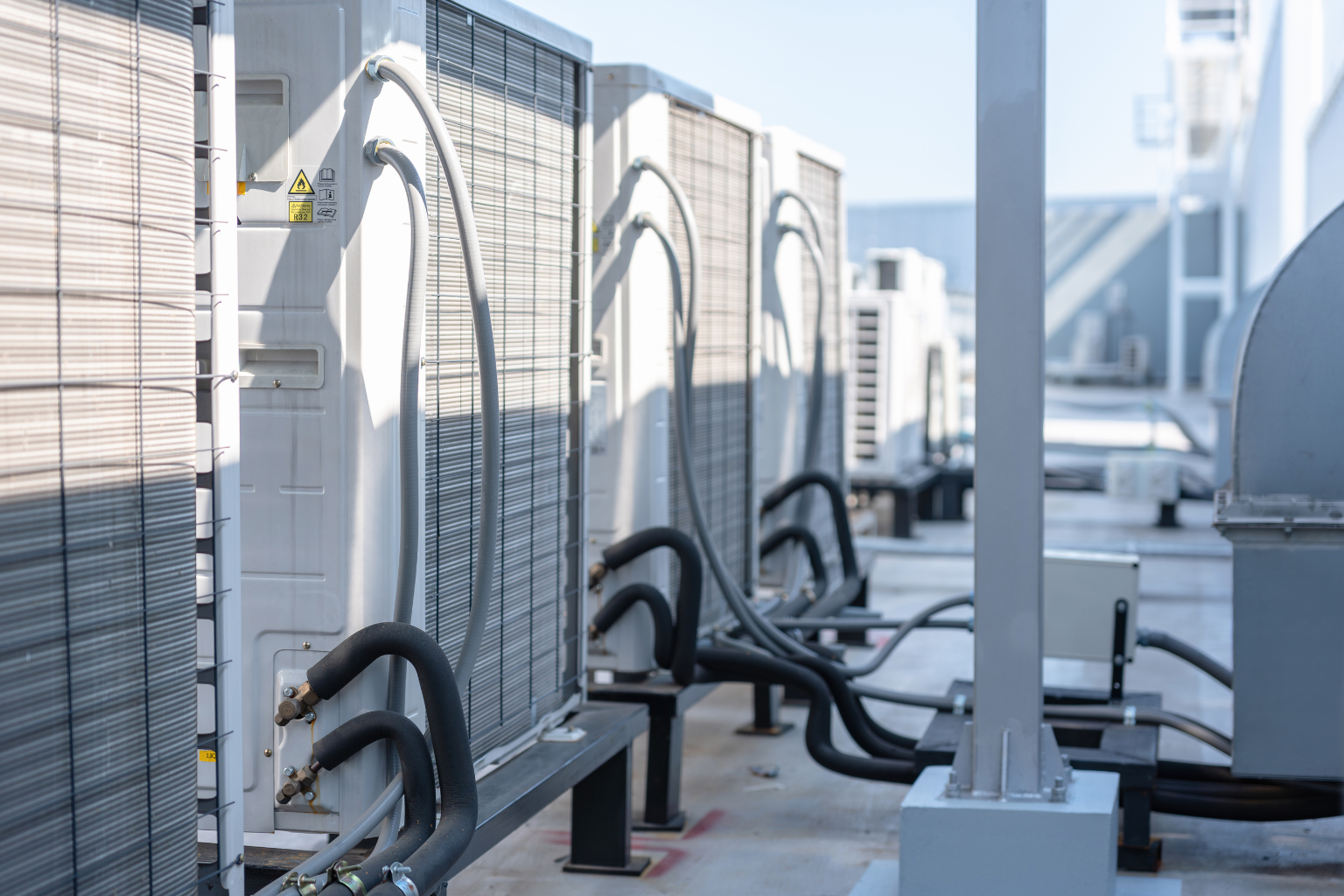
Commercial properties often face additional IAQ challenges because of their size and complexity. Larger HVAC systems, multiple zones of occupancy, and varying temperature demands across departments can create uneven airflow. Areas such as conference rooms, breakrooms, and interior workspaces may experience reduced circulation, allowing airborne particles to linger longer than expected.
Building managers and property owners who proactively address indoor air quality often see benefits beyond health alone. Improved IAQ can help reduce absenteeism, improve employee comfort, and support a more productive workplace environment. Regular inspections of ventilation systems, moisture monitoring, and professional air quality assessments can identify issues early before they begin affecting daily operations.
At AdvantaClean, our team works with commercial property owners and facility managers to evaluate indoor air conditions and identify factors that may be affecting workplace air quality, including moisture issues that may contribute to mold growth. Through detailed assessments and targeted solutions, we help businesses create healthier environments where employees can work comfortably and safely.
If you have concerns about the air quality inside your commercial building, AdvantaClean can help you better understand the conditions affecting your workplace and develop a plan to improve them.