Learn Why Hidden Moisture Affects Hamilton Homes
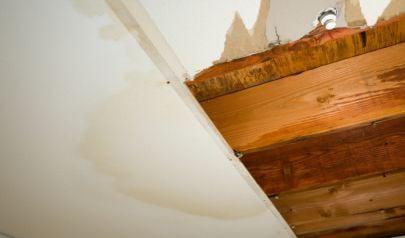
Water intrusion in a home often starts quietly, sometimes as a slow plumbing leak, roof failure, or appliance overflow. Professional water damage restoration focuses on locating affected materials, stabilizing conditions, and preventing secondary damage.
Understanding How Water Moves Through Your Home
When water is loose in a structure, three factors go into play:
-
Gravity
-
Capillary action
-
Air movement
All of these allow moisture to migrate behind drywall, beneath flooring, and into insulation. Certified technicians trained in WRT (Water Restoration Technician) protocols use moisture meters and thermal imaging to identify the full extent of the impact. Without this assessment, repairs often miss concealed damage that can worsen over time.
Why Drying Alone Is Not Restoration
Air-drying a wet area does not address water-damage restoration needs. Moisture trapped inside wall cavities or under flooring can remain elevated even when surfaces feel dry. According to IICRC S500 guidelines, structural drying requires controlled air movement, temperature management, and dehumidification. Low-grain refrigerant or desiccant dehumidifiers are selected based on the materials involved and ambient conditions.
Mold Risk Following Water Damage
When water damage is not addressed quickly, conditions can support mold growth. Organic building materials like drywall, paper, and wood framing provide a food source. FSRT-trained professionals understand the relationship between moisture levels and microbial amplification. If growth is suspected, containment and HEPA-filtered air scrubbers are installed to limit the spread of spores during removal activities.
Removal of Damaged Materials
Even our team cannot restore some materials once saturated. Drywall, insulation, and certain floor coverings may need to be removed to allow proper drying of structural components. Controlled demolition is performed in accordance with IICRC recommendations to avoid unnecessary damage. Waste materials are bagged and disposed of in accordance with local regulations, while remaining surfaces are cleaned and treated as appropriate.
Air Quality and Safety Controls
Water damage restoration includes protecting indoor air quality during the project. HEPA filtration devices capture fine particles released during drying and removal activities. Technicians follow work practices designed to protect occupants and workers, including the use of personal protective equipment and negative air pressure when needed. These controls are part of accepted industry best practices.
Preventing Repeat Water Damage
Restoration does not stop at drying and cleanup. Identifying the source of the water intrusion is critical. Whether the issue involves plumbing, roofing, or exterior drainage, homeowners are advised on corrective steps to prevent recurrence. Without addressing the source, restored materials remain at risk for future damage.
Working With Certified Professionals
Water damage restoration is a specialized service that relies on training, documentation, and adherence to standards. IICRC-certified firms follow established procedures and maintain records of moisture readings and equipment usage. This documentation supports insurance claims and confirms that drying goals have been met.
For professional water damage restoration in Hamilton, AdvantaClean of Fairfield and Mason provides certified services backed by industry standards. To schedule an assessment or request assistance, contact AdvantaClean of Fairfield and Mason at (513) 810-5343.
AdvantaClean of Fairfield and Mason
(513) 810-5343
https://g.co/kgs/9Mts4yE