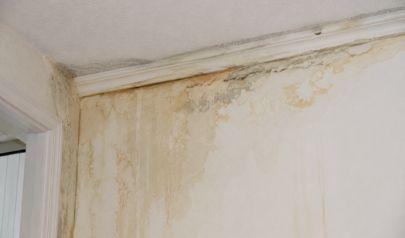
Most homeowners in Cooper City do not realize their air conditioner is leaking until a ceiling tile turns brown or a patch of drywall goes soft. By the time it is visible, the water has usually been seeping into the structure for days or even weeks. Our crews at AdvantaClean of Fort Lauderdale have seen this play out on job after job across Broward County, and it never gets less frustrating for the families involved. The good news is that once you understand what is happening inside your system, everything starts to make a lot more sense.
Why South Florida ACs Are So Vulnerable
In many places, air conditioners only run for a few hours in the afternoon and turn off at night. But in Cooper City and nearby areas, things are different. When temperatures reach the low nineties and humidity goes above 85 percent, home AC systems often run for 14 hours or more each day just to keep things comfortable. This constant use means the condensate drain line is always working to remove moisture from the air inside your home.
The condensate line is a small PVC pipe that carries water from your air handler to a floor drain or outside. It works well when it is clear. However, in South Florida, algae can build up in the line much faster than most people expect. The warm, humid air inside the air handler makes it easy for this buildup to happen, and if the line is not flushed regularly, it can start to clog. At first, water drains slowly, but eventually the pan fills up and overflows.
The Problem With Slow Leaks
Fast leaks are easy to spot, but slow leaks are much harder to notice. We often see clogged condensate lines dripping into ceiling spaces for days before anyone realizes there is a problem. The insulation above soaks up the water, and the drywall starts to soften. By the time you see a stain on the ceiling, the water has usually spread much farther than what is visible.
We have seen homes in Cooper City, Weston, and Deerfield Beach where the visible damage was only the size of a dinner plate, but the wet area inside the ceiling was several feet wide. This difference between what you see and what is actually wet is why many homeowners underestimate the extent of condensate overflow damage when trying to fix it themselves.
What Gets Damaged and Where
In most South Florida homes, the air handler is located in a closet, attic, or utility area. When the drain pan overflows, the water collects on drywall ceilings and interior walls below. From our experience, the damage usually follows a pattern: water spreads along ceiling joists, soaks into insulation, moves down wall spaces, and eventually reaches the subfloor or the drywall underneath.
Wood framing takes in moisture easily. If the area stays wet for too long, mold can start to grow in as little as 48 to 72 hours. The heat in Broward County makes this happen even faster. What might seem like a small plumbing issue can quickly turn into a mold problem here, so it is important for homeowners to act quickly.
How Professional Water Damage Restoration Addresses the Problem
When a restoration team arrives after a condensate overflow, the first thing they do is check the whole wet area using moisture meters and thermal cameras. This is important because the treatment depends on how far the moisture has really spread, not just how big the stain looks. A careful check often finds wet spots in places that seem dry on the surface.
After figuring out how far the water has spread, the next step is drying. Industrial air movers and dehumidifiers are used to pull moisture out of the building materials. Sometimes, small holes are cut in the drywall to let air flow inside the walls. Moisture levels are checked every day until everything is dry again. If mold is found, the cleanup process is expanded to handle it.
We work in Cooper City, Fort Lauderdale, Pompano Beach, Weston, and Deerfield Beach, and every summer we see this problem in all of these communities. The main reason is always the same: air conditioning systems working hard in constant heat and humidity, draining into pipes that need more regular maintenance than most people realize.
What Homeowners Can Do to Reduce the Risk
The best way to prevent this problem is to have an HVAC technician flush the condensate drain line at least once a year. Some South Florida homeowners do it twice a year because algae grows so quickly here. Adding a secondary float switch that turns off the system automatically when the drain pan fills is another smart way to stop overflows before they happen.
If you smell musty odors near a vent, see stains on the ceiling near your air handler closet, or notice your system shutting off for no clear reason, these are all signs you should check out immediately. When it comes to water issues, waiting to see if it gets better on its own is almost never a good idea.
If you need water damage restoration in Cooper City or the Fort Lauderdale area, you can count on our team. Call AdvantaClean of Fort Lauderdale today (954) 994-2947. We have handled these situations for hundreds of homes in South Florida.
AdvantaClean of Fort Lauderdale, FL
236 NE 33rd St, Oakland Park, FL 33334
(954) 994-2947