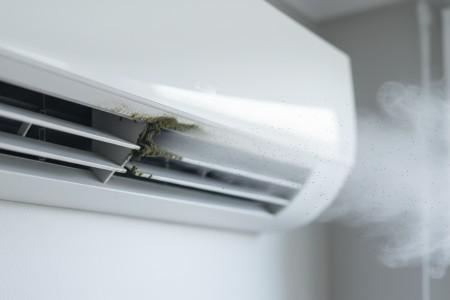
Your air conditioning system is your best defense against South Florida's brutal heat and humidity. But could this essential appliance be secretly making your indoor air quality worse? For homeowners in Fort Lauderdale, Hollywood, Plantation, and across Broward County, the answer might surprise you. AC systems don't just cool your home—they can also become a hidden breeding ground and distribution network for mold spores. This article explains how air conditioners spread mold, the warning signs to watch for, and what you can do to protect your home and health.
How your AC system becomes a mold problem
Air conditioners remove humidity from your home by condensing moisture on cold evaporator coils. This water normally drains outside through a condensate line. However, several common issues can turn this system into a mold factory:
Clogged condensate drains
When the drain line gets clogged with algae, dust, or debris, water backs up inside the unit. Standing water in your AC system creates the perfect environment for mold growth. That musty smell you notice when the AC runs often points to standing water or mold inside the system.
Dirty evaporator coils
Evaporator coils are cold and constantly wet during operation. Without regular maintenance, dust and organic matter accumulate on coil surfaces, providing food for mold spores. Once mold establishes on coils, every cycle blows spores directly into your airflow.
Insulated ductwork issues
The inside of your ductwork can develop mold growth, especially in humid climates like ours. Dark, cool, and occasionally damp from condensation, ducts are ideal mold habitats. Attic mold frequently spreads into ductwork, contaminating the air delivered to every room.
Improperly sized systems
An oversized AC unit cools the air quickly but doesn't run long enough to properly dehumidify. The result? A cool but clammy home where moisture lingers—perfect conditions for mold growth on surfaces and inside the system itself.
Signs your AC might be spreading mold
How do you know if your air conditioner is circulating mold? Watch for these red flags:
Musty odor when the system runs
The most obvious sign is a persistent musty or dirty sock smell that intensifies when your AC kicks on. This odor indicates microbial growth somewhere in the system. Black mold in particular produces a distinctive, heavy musty smell that homeowners often notice first.
Visible growth around vents
Check your supply vents and return air grilles. Dark spots, fuzzy growth, or discoloration around vent covers suggests mold is growing in the ductwork or at the vent itself.
Unexplained allergy symptoms
If family members experience worsening allergies, headaches, or respiratory issues when the AC runs—especially symptoms that improve when away from home—your AC could be circulating contaminants.
Higher than normal humidity
Your AC should maintain indoor humidity between 45-55%. If your home feels sticky even when the thermostat says it's cool, your system may not be removing adequate moisture, creating conditions for mold growth.
Visible moisture or water leaks
Water pooling around your indoor air handler, wet insulation on refrigerant lines, or moisture inside the air handler cabinet all indicate drainage problems that promote mold.
Health risks from mold-contaminated AC systems
Breathing mold spores circulated by your HVAC system exposes everyone in your home to potential health effects:
Respiratory issues: Coughing, wheezing, throat irritation, and sinus congestion
Allergic reactions: Sneezing, runny nose, red eyes, skin rashes
Asthma triggers: Increased frequency and severity of asthma attacks
Headaches and fatigue: Common complaints from occupants in mold-contaminated homes
Immune system effects: Particularly concerning for young children, elderly family members, and those with compromised immune systems
Professional solutions for AC mold problems
Addressing mold in your AC system requires more than spraying bleach into vents. Proper remediation follows a systematic approach:
Thorough inspection
Professionals inspect the entire system: evaporator coils, drain pans, air handler, supply and return ducts, and the area around the unit. Moisture meters and borescopes help detect hidden growth.
Coil and drain line cleaning
Evaporator coils receive specialized antimicrobial cleaning to remove biofilm and mold colonies. Drain lines are cleared and treated to prevent future clogs.
Duct cleaning and sanitization
When ductwork is contaminated, professional cleaning with HEPA vacuum equipment removes mold and debris. Attic mold often requires coordinated remediation with duct cleaning to fully resolve the problem.
Air handler sanitation
The interior of the air handler cabinet, blower wheel, and surrounding areas are cleaned and treated with EPA-registered antimicrobial products.
Prevention measures
Long-term solutions include installing UV lights near coils, improving filtration, and ensuring proper drainage. Regular maintenance prevents recurrence.
Preventing AC mold in Florida's climate
South Florida homeowners can take proactive steps to keep AC systems mold-free:
Change filters regularly: Use high-quality filters and replace them every 1-3 months, more often during peak cooling season.
Keep condensate lines clear: Pour a cup of bleach or white vinegar down the drain line quarterly to prevent algae buildup.
Schedule annual maintenance: Professional inspections catch developing problems before they become major issues.
Monitor humidity: Use a hygrometer to ensure your home stays below 60% relative humidity.
Fix leaks immediately: Any water leak around your AC system needs prompt attention to prevent mold establishment.
Frequently asked questions about AC and mold
Can mold in my AC make me sick?
Yes. Mold spores circulated through your HVAC system can cause respiratory symptoms, allergic reactions, and other health issues, especially with prolonged exposure.
How do I know if mold is in my AC ducts?
Signs include musty odors when the system runs, visible growth around vents, and allergy symptoms that worsen indoors. Professional inspection provides definitive answers.
Will changing the AC filter stop mold?
Filter changes help but won't stop mold already growing on coils or in ducts. The source of contamination must be professionally cleaned.
Can I clean mold from AC vents myself?
Surface cleaning at vents may temporarily improve appearance, but it doesn't address mold deeper in the system. Disturbing mold can actually spread spores into your living space.
How much does professional AC mold remediation cost?
Costs vary based on the extent of contamination and accessibility of components. Professional inspection provides an accurate assessment and quote.
Does insurance cover mold in AC systems?
Coverage depends on your policy and the cause. Sudden issues like a burst drain line may be covered, while maintenance-related problems typically are not.
Take action for cleaner, healthier indoor air
Your AC system should provide comfort, not compromise your family's health. If you suspect mold in your air conditioner or notice warning signs like musty odors or unexplained symptoms, professional assessment is the safest first step.
The certified technicians at AdvantaClean of Fort Lauderdale specialize in identifying and safely removing mold from HVAC systems. We use advanced inspection tools, professional containment procedures, and EPA-registered antimicrobial treatments to restore your system's performance and your indoor air quality.
Don't let your AC spread mold through your home. Visit AdvantaClean of Fort Lauderdale on Google Maps to find our location and read reviews from local homeowners we've helped. Then request your service online to schedule an inspection. Breathe easier knowing your cooling system is clean, safe, and working for you—not against you.