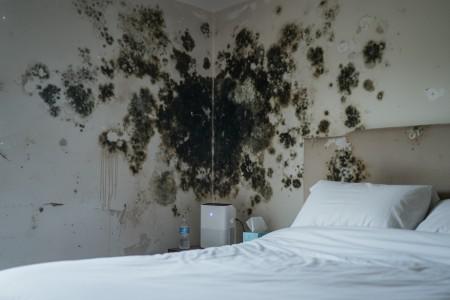
Many homeowners assume that if mold is “only in one corner” or “just a little on the wall,” it is fine to keep sleeping in the house. In reality, visible mold is often just a small portion of a larger problem. What you see on the surface usually means there is additional growth inside walls, ceilings, or flooring that you cannot detect with the naked eye.
The bigger issue is exposure. Mold releases microscopic spores into the air, and those particles circulate throughout the home, especially at night when rooms are closed and ventilation is limited. Even people who feel fine can experience irritation, disrupted sleep, or longer-term respiratory effects over time.
Whether it is safe to sleep in a moldy house depends on the amount of contamination, the location of the mold, and your personal sensitivity. Understanding these factors can help you decide what to do next.
What actually makes sleeping unsafe
Not all mold situations carry the same level of risk. A small surface patch in a bathroom that is addressed quickly is very different from widespread growth behind drywall or under flooring.
Sleeping becomes risky when mold is present in or near bedrooms, HVAC systems, or areas with chronic moisture problems. This is common after leaks, floods, or heavy winter storms, which is why keeping Pompano Beach properties steady after winter water damage is so important for preventing long-term contamination and hidden mold growth.
If mold is growing inside walls or ceilings, you may not see it, but you can still inhale spores all night. Musty odors, persistent humidity, or previous water damage are strong indicators that hidden mold may be present.
How mold affects your health while you sleep
During sleep, your body is more vulnerable because your breathing rate is steady and you are in the same environment for several hours. If spores are present in the air, you are continuously inhaling them.
Common reactions include coughing, nasal congestion, throat irritation, headaches, or difficulty breathing. People with asthma, allergies, or weakened immune systems can experience more severe symptoms. Children and older adults are also more sensitive to indoor air quality issues.
Even if you do not feel immediate symptoms, prolonged exposure can increase sensitivity over time, making future reactions more likely.
Can air purifiers or ventilation solve the problem
Many homeowners try to use air purifiers or open windows at night. While better air circulation can temporarily reduce airborne spores, it does not remove mold growing on surfaces or inside building materials.
Air purifiers may help with general air quality, but they are not a solution for an active mold problem. As explained in our guide on air purifiers for mold, these devices can capture some airborne particles, but they do not stop mold from spreading inside walls, ceilings, or floors.
Similarly, cracking a window might make the room feel fresher, but it does nothing to address the moisture source that allowed mold to grow in the first place.
When you should avoid sleeping in the house
You should seriously consider sleeping elsewhere if any of the following apply:
Mold is visible in your bedroom or bathroom
There has been recent flooding, roof leaks, or plumbing failures
You notice persistent musty odors
You or a family member are experiencing respiratory symptoms at night
The HVAC system may be contaminated
In these situations, staying in the home can prolong exposure and make cleanup more complicated.
Why professional assessment matters
DIY cleaning only removes surface mold and often spreads spores rather than eliminating the problem. A professional inspection determines how extensive the contamination is and whether it has reached structural components.
For commercial spaces like restaurants, where moisture issues can develop quickly, professional intervention is especially critical. Our article on restaurant water damage and what owners need to know explains how delays in addressing moisture can lead to widespread mold problems that affect both employees and customers.
Certified technicians can also test air quality, locate hidden mold, and recommend the safest steps for your household while remediation is underway.
What about black mold specifically
Many homeowners panic when they see dark or black-colored mold. Not all black mold is the same, but any dark mold should be taken seriously and evaluated by professionals rather than ignored or cleaned casually.
Our piece on whether black mold is a serious problem in Plantation homes explains why testing and proper remediation are important, especially in humid South Florida conditions where mold can spread quickly behind walls.
Frequently asked questions about sleeping in a house with mold
Is a small amount of mold safe to sleep with?
Not necessarily. Even limited visible mold often means there is more hidden growth behind walls, under flooring, or in ceilings. The real issue is not how much you can see, but how much is actually present and how your body reacts to it.
Will opening a window at night make it safe?
Fresh air can reduce spore concentration temporarily, but it does not solve the underlying problem. If moisture remains or mold is growing inside materials, ventilation alone will not make the space truly safe.
Can I sleep in another room while remediation is happening?
In many cases, yes, if that area is properly sealed off from the affected space and does not show signs of moisture or mold. Professionals often recommend staying in a separate, uncontaminated part of the home rather than remaining in the remediation zone.
How long after remediation is it safe to sleep there again?
Once contaminated materials are removed, the area is fully dried, and verification confirms normal spore levels, most homes are safe to reoccupy immediately. Your remediation company should clearly tell you when normal use can resume.
What if I feel fine, but mold is present?
Lack of symptoms does not mean lack of risk. Some people are less sensitive than others, but prolonged exposure can still contribute to respiratory issues or future sensitivity.
Get clear answers and sleep safely again
If you are unsure whether your bedroom or home is safe, guessing is not worth the risk. A professional inspection can confirm whether the mold you see is isolated or part of a larger problem, identify hidden moisture sources, and determine whether temporary relocation is necessary.
AdvantaClean’s certified technicians can assess air quality, locate unseen contamination, and outline a practical plan to restore a healthy indoor environment so you can rest without concern.
Start with a professional evaluation and get a clear, honest assessment of your home’s safety. Contact us.