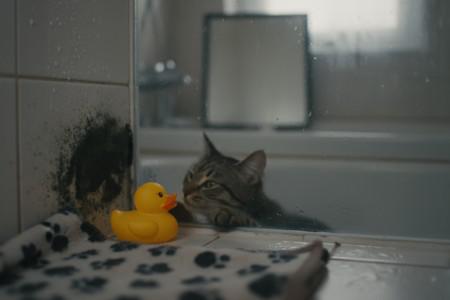
Bathrooms are one of the most common places for mold to develop in South Florida homes. Constant humidity, frequent water use, poor ventilation, and warm temperatures create ideal conditions for mold growth behind tiles, under sinks, inside grout lines, and along shower enclosures. While many homeowners see bathroom mold as a cosmetic issue, the reality is that it can pose meaningful health risks, particularly for children and pets who spend time close to the floor and breathe in more air relative to their body size.
Understanding how bathroom mold affects vulnerable household members, how exposure happens, and when professional intervention is necessary can help you make safer decisions for your family.
Why bathrooms are high-risk areas for mold
Bathrooms experience repeated cycles of moisture and drying, which mold thrives on. Even brief water exposure from showers or baths can seep into porous materials such as drywall, wood, or poorly sealed grout. Once moisture becomes trapped, mold can establish itself out of sight and spread gradually.
Homes that have experienced leaks or past water intrusion are even more susceptible. This is one reason why keeping Pompano Beach properties steady after winter water damage is so critical, since unresolved moisture problems often reappear later as bathroom or wall mold.
Because bathrooms are enclosed spaces with limited airflow, airborne mold spores can build up quickly, especially when exhaust fans are weak or rarely used.
How children are affected by bathroom mold
Children are more vulnerable to indoor air contaminants than adults. They breathe faster, have developing respiratory systems, and spend more time playing on or near the floor where spores tend to settle.
Exposure to bathroom mold can trigger coughing, nasal congestion, itchy eyes, skin irritation, or wheezing. In children with asthma or allergies, symptoms may be stronger and more frequent. Even children without known sensitivities can develop reactions over time if exposure continues.
A particular concern is hidden mold behind bathtubs or under sinks. Parents may only notice discoloration on the surface while much larger colonies are growing inside walls, releasing spores every time the room is used.
Risks for pets in moldy bathrooms
Pets are also at heightened risk because they are closer to the ground and often spend time in bathrooms drinking from sinks, tubs, or puddles. Dogs and cats can inhale spores or come into contact with mold through their paws and fur.
Common signs of mold-related irritation in pets include sneezing, coughing, watery eyes, skin rashes, or excessive scratching. In more severe cases, prolonged exposure can aggravate existing respiratory conditions or cause gastrointestinal distress if contaminated water is consumed.
Since pets cannot communicate discomfort clearly, many owners only realize there is a problem once symptoms become noticeable.
Can ventilation or air purifiers make bathrooms safe
Many homeowners rely on exhaust fans, open windows, or portable air purifiers to manage bathroom air quality. While these measures can reduce humidity or capture some airborne particles, they do not remove mold growing on surfaces or inside building materials.
As discussed in air purifiers for mold, filtration devices may help with general air cleanliness but cannot stop an active mold problem or address the moisture source that allows mold to thrive.
If mold is already present behind tiles or under cabinets, ventilation alone will not make the space truly safe for children or pets.
When bathroom mold becomes more than a cosmetic issue
Bathroom mold should be taken seriously when it is recurring, widespread, or accompanied by persistent musty odors. Dark or black discoloration, bubbling paint, warped cabinetry, or soft drywall are also warning signs that moisture has penetrated deeper layers.
In homes where bathrooms connect to laundry rooms or kitchens, moisture problems can spread into adjacent areas. This is similar to what often happens in commercial settings, as outlined in restaurant water damage and what owners need to know, where small leaks quickly turn into larger contamination issues if left unaddressed.
If children or pets are showing symptoms that worsen when they enter the bathroom, professional evaluation is strongly recommended.
What about black mold in bathrooms
Not all dark mold is the same, but any black mold in a bathroom should be treated with caution rather than cleaned casually with household products. Surface wiping rarely removes the root of the problem and can spread spores instead.
As explained in whether black mold is a serious problem in Plantation homes, proper assessment and remediation are especially important in humid climates where mold can grow aggressively behind walls and fixtures.
Testing and professional removal provide far more reliable protection for children and pets than DIY attempts.
The safer approach for your family
The most effective way to protect children and pets is to address both the visible mold and the hidden moisture source that caused it. Professional remediation focuses on removing contaminated materials, thoroughly drying affected areas, and restoring proper ventilation so mold does not return.
Certified technicians can also evaluate air quality and confirm when the bathroom is safe for normal use again. This removes the guesswork and reduces the risk of repeated exposure.
Frequently asked questions about bathroom mold, children, and pets
Is small amounts of bathroom mold safe for kids?
There is no reliable “safe” amount. Even limited visible mold often means additional growth behind tiles or inside walls where children are still exposed to spores, even if the surface looks minor.
Can an air purifier protect my children and pets?
Air purifiers may reduce some airborne particles, but they do not remove mold growing inside grout, drywall, or cabinetry. They do not solve the underlying moisture problem that allows mold to thrive.
Should I keep my pets out of a moldy bathroom?
Yes. Pets are closer to the floor where spores settle and may drink contaminated water from tubs or sinks. Until the source of moisture and mold is properly addressed, the bathroom should be off-limits.
Is bathroom black mold always dangerous?
Not all dark mold is equally hazardous, but any black discoloration in a humid space should be treated seriously and evaluated rather than ignored or cleaned casually.
Can I just clean it myself with bleach?
Surface cleaning rarely reaches mold growing behind tiles or inside walls and can spread spores into the air. DIY cleaning often gives the impression of improvement while leaving the root problem untouched.
How long after remediation is it safe for kids and pets to return?
Once contaminated materials are removed, the area is fully dried, and air quality is verified, most bathrooms are safe for normal use immediately. Your remediation team should confirm this clearly before reoccupation.
Restore a healthy bathroom environment
If you are worried about mold in your bathroom, waiting or guessing can put your children and pets at unnecessary risk. A professional inspection provides clear answers about what is actually happening behind your walls and under your fixtures.
AdvantaClean’s specialists can identify hidden moisture, remove mold safely, and help you maintain a healthier home environment for every member of your household.
Take the first step toward a safer space today. Request service here: https://www.advantaclean.com/request-service/