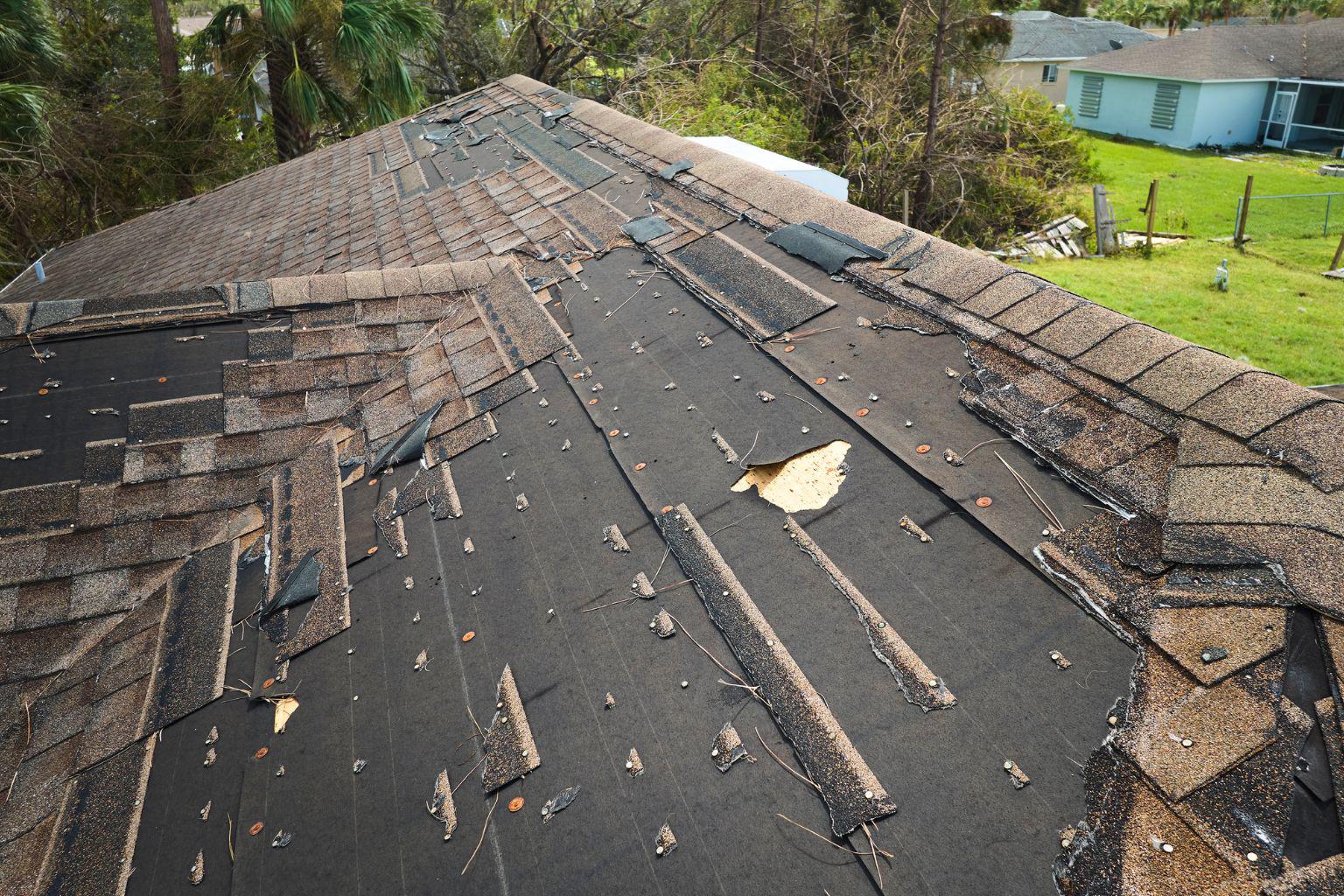
A heavy summer squall sweeps across Deerfield Beach, leaving a fresh water mark on the living room ceiling. The storm clears, the plaster seems to dry out, and a coat of stain-blocking primer covers the discoloration. A month later, another storm system moves through Broward County, and the same mark darkens again.
When moisture repeatedly surfaces in the same spot, the ceiling is merely signaling a problem occurring elsewhere in the building assembly. Water rarely follows a simple, straight path from an exterior defect down to your living space. Treating every appearance as an isolated spill overlooks how low-slope roofing systems direct, retain, and channel water through structural materials.
Flat Roof Drainage and Hidden Travel Paths
Low-slope and flat roof designs are common across residential and commercial buildings throughout coastal South Florida. While these systems offer clean architectural lines, they lack the rapid gravitational shedding of pitched roofs. Minor membrane imperfections, degraded flashing around vent stacks, or slow-draining scuppers allow rainwater to pool in shallow depressions.
Once water slips past an exterior membrane seam or parapet flashing, it rarely drops straight down onto the drywall below. Liquid follows the path of least resistance across the roof deck, moving along plywood seams, rolling down angled structural beams, and migrating through fiberglass insulation. Gravity may carry that moisture ten or fifteen feet away from the initial roof defect before it finds an opening in the ceiling framing and pools on the upper surface of the sheetrock.
Standing on a ladder and looking directly above the ceiling stain will not tell you where the water entered the roof. Fixing the roofing membrane prevents additional rain from entering, but it does not address moisture already soaked into the decking, rafters, and ceiling assemblies.
The Compounding Risks of Repeated Wetting
A sudden, one-time plumbing burst is straightforward to map and dry because the loss timeline is known. A recurring roof leak introduces uncertainty because materials cycle repeatedly between wetting and incomplete drying.
Each time rain enters the building envelope, porous materials absorb moisture. In our high-humidity coastal climate, unconditioned interstitial spaces between the ceiling and roof deck cannot dry out naturally before the next rainstorm arrives. Cellulose materials, such as ceiling tiles, drywall paper backing, and structural framing, stay damp for extended periods.
Over time, this lingering dampness degrades fasteners, weakens adhesive bonds in roof decking, and softens structural timber. When homeowners rely on paint to manage recurring stains, they unintentionally conceal progressive structural decay. Tracking the full history of the leak, including when the stain first appeared, how rapidly it darkens during rain, and whether musty odors linger during dry weather, provides restoration professionals with the context needed to evaluate the overall structural impact.
Evaluating Hidden Moisture Before Applying Cosmetic Fixes
Before reaching for a paintbrush or opening a ceiling cavity, the restoration process requires a logical order of priorities to protect both the building and its occupants.
Personal safety comes first. Water pooling above the drywall adds substantial weight to the ceiling assemblies, increasing the risk of sudden collapse. Furthermore, water traveling along hidden framing often intersects recessed light fixtures, junction boxes, and ceiling fan wiring.
Once a roofing specialist secures the roof membrane, attention must turn to the damp materials inside the home. Determining the extent of moisture travel requires specialized diagnostic tools, not guesswork. High-resolution infrared cameras detect subtle temperature differences caused by evaporative cooling, allowing specialists to visualize hidden moisture tracks through ceilings and walls without invasive demolition.
Non-penetrating moisture meters then measure the exact moisture content of underlying timbers and drywall. This data determines whether materials can be restored through controlled drying or if ongoing decay requires selective material replacement.
Preventing Fungal Growth in Concealed Cavities
Persistent moisture trapped in dark, unventilated spaces above ceilings creates an environment where mold spores can colonize within two days. South Florida’s ambient heat accelerates this biological activity whenever relative humidity remains high. When building assemblies stay damp from repeated storm leaks, microbial growth can develop along the upper side of the drywall long before any fungal spots become visible inside the room.
Professional mitigation addresses recurring water damage by sanitizing hidden framing with antimicrobial treatments and drying it to industry baselines. Eliminating trapped moisture stops structural deterioration and keeps indoor air clean and healthy.
Dedicated Property Restoration in Deerfield Beach
Resolving a recurring flat roof leak requires identifying all affected materials in the building assembly. Our local crew delivers comprehensive water damage restoration and structural drying, along with full mold remediation, moisture inspections, and fire damage cleanup across Deerfield Beach, Fort Lauderdale, Pompano Beach, Weston, and Cooper City.
As a BBB Accredited Business with an A+ rating, our team is committed to thorough inspections, honest evaluations, and complete storm damage cleanup and recovery. If your property is experiencing recurring ceiling leaks or hidden storm damage, contact AdvantaClean of Fort Lauderdale directly or call (954) 994-2947 to map moisture pathways and restore your property.
AdvantaClean of Fort Lauderdale, FL
236 NE 33rd St, Oakland Park, FL 33334
(954) 994-2947
https://maps.app.goo.gl/nv2Q3gaR4yumLsj8A