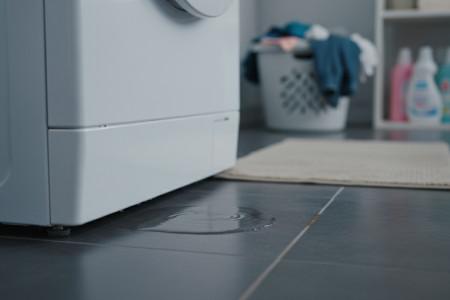
Your washing machine works hard, running load after load without complaint. But behind that quiet efficiency, a silent threat may be building. Washing machine leaks are among the most common and destructive water damage events in Florida homes. They start small—a few drops, a little moisture, a faint musty smell—and escalate into thousands of dollars in repairs. The worst part? Most homeowners ignore the early warning signs until it's too late. For residents in Fort Lauderdale, Hollywood, Plantation, and across Broward County, knowing what to look for can save your floors, walls, and wallet.
Why washing machine leaks are so destructive
A washing machine leak isn't like a burst pipe that announces itself with rushing water. It's insidious. It creeps. It hides.
Constant water supply
Your washing machine connects to a pressurized water line that's always ready to deliver. When supply hoses fail, they don't drip—they pour. A typical washing machine supply line delivers 5-7 gallons per minute. In just 10 minutes of unnoticed flow, you're looking at 50-70 gallons of water inside your home.
Hidden locations
Washing machines often sit in out-of-sight spots: laundry rooms, closets, basements, or garages. Many homeowners don't visit these areas daily. A slow leak can run for weeks before anyone notices.
Multiple failure points
Unlike a single pipe, your washing machine has numerous potential leak sources:
-
Supply hoses (hot and cold)
-
Drain hose connections
-
Internal hoses and fittings
-
Door seals (front-loaders)
-
Pump assemblies
-
Water inlet valves
The Florida humidity factor
In South Florida's climate, leaks don't just stay wet—they create secondary problems. Hidden water damage thrives in our humid environment, turning small leaks into mold factories within days.
Early warning sign #1: Unexplained floor moisture
You walk into the laundry room barefoot and notice the floor feels slightly damp. Or perhaps you see a small puddle that wasn't there before.
What to look for
-
Damp spots near the front of the machine
-
Moisture behind or beside the washer
-
Water that reappears hours after you wipe it up
-
Darkened areas on flooring materials
Why it matters
Even small amounts of standing water indicate a leak that's actively flowing. That water is going somewhere—under your machine, into flooring seams, and potentially into subflooring. Floor repairs become necessary when moisture reaches subflooring, and catching it early prevents major demolition.
Early warning sign #2: Rust or corrosion
Metal doesn't rust without moisture. If you spot rust anywhere near your washing machine, you're looking at evidence of ongoing water exposure.
Where rust appears
-
On the machine's rear panel
-
Around hose connection points
-
On floor drain covers
-
On nearby shelving brackets or stored metal items
-
On the water heater if located nearby
What rust tells you
Rust doesn't form overnight. It's proof that moisture has been present for weeks or months. Even if you can't see active leaking, rust means water is reaching those surfaces regularly.
Early warning sign #3: Musty odors near the machine
That faint musty smell when you walk into the laundry room isn't normal. It's not "just how laundry rooms smell." It's a warning.
The smell of hidden growth
Musty odors almost always indicate microbial growth. That musty smell means mold or mildew is actively growing somewhere in the area. With washing machines, common growth locations include:
-
Under the machine where water pools
-
Inside the cabinet where internal leaks occur
-
Behind the machine on wall surfaces
-
In flooring materials that stay damp
The nose knows first
You'll smell mold long before you see it. Trust your nose. If the laundry room smells different from the rest of your home, investigate immediately.
Early warning sign #4: Cracks or bulges in supply hoses
Your washing machine supply hoses are the most common failure point. They're under constant pressure and eventually wear out.
Visual inspection checklist
-
Cracks: Small fissures in the rubber, especially near connection points
-
Bulges: Areas where the hose appears swollen or distorted
-
Blisters: Bubble-like formations on the hose surface
-
Brittleness: Hose feels stiff or crunchy when bent
-
Loose connections: Fittings that wiggle or feel insecure
The danger of standard rubber hoses
Standard rubber hoses have a lifespan of 3-5 years. Beyond that, they're ticking time bombs. Many homeowners never replace them until they fail catastrophically.
A better alternative
Consider upgrading to braided stainless steel hoses. While not indestructible, they're significantly more durable than standard rubber and provide early warning through visible fraying before catastrophic failure.
Early warning sign #5: Floor stains or discoloration
Take a close look at your laundry room floor. Notice anything unusual?
What to watch for
-
Dark rings or patches on tile grout
-
Discolored areas on vinyl or laminate
-
Warped or buckled flooring planks
-
Loose tiles that rock when stepped on
-
Baseboards that appear stained or darkened
What's happening underneath
Floor discoloration often means water has reached the subfloor and is wicking upward through materials. Hidden water damage in Hollywood homes frequently starts with flooring changes that homeowners dismiss as minor.
Early warning sign #6: Mold around the machine
Visible mold is never normal. If you spot growth anywhere near your washer, you have a moisture problem that needs immediate attention.
Common mold locations
-
On baseboards behind the machine
-
In corners where walls meet floor
-
On the machine's exterior panels
-
Inside the detergent drawer (front-loaders)
-
Around the door gasket (front-loaders)
Front-loader special concerns
Front-loading washing machines have a notorious weakness: the door gasket. This rubber seal traps water, detergent residue, and lint, creating a perfect mold habitat. Black mold frequently grows in these gaskets, and black mold in Plantation homes is a serious concern for good reason.
Early warning sign #7: Higher than normal water bills
Your water bill tells stories about your home's health. A sudden increase without explanation deserves investigation.
What to check
Compare monthly water bills. If usage spikes 10-20% and you haven't changed laundry habits, something is using water somewhere. Slow washing machine leaks are common culprits.
The math of small leaks
A leak of just one drop per second adds up to nearly 200 gallons per month. That's water you're paying for that's also damaging your home.
Early warning sign #8: Cracks in floor grout or caulk
Grout and caulk are your floor's first line of defense against moisture intrusion. When they fail, water finds its way underneath.
What to inspect
-
Grout lines near the machine
-
Caulking where floor meets wall
-
Seals around floor drains
-
Baseboard caulking
Why it matters
Even if your machine isn't leaking, failed seals allow wash water, spilled detergent, and cleaning moisture to seep into subflooring. Over time, this creates the same damage as a slow leak.
Early warning sign #9: The machine walks or vibrates excessively
A washing machine that moves during cycles isn't just annoying—it's damaging.
What movement does
Excessive vibration:
-
Stresses hose connections
-
Gradually loosens fittings
-
Creates micro-movements that wear seals
-
Can eventually disconnect hoses entirely
The hidden connection
A vibrating machine often indicates an unbalanced load or worn suspension. But that same vibration can gradually work hose connections loose, turning a minor annoyance into a major flood.
Early warning sign #10: You can't remember the last time you inspected
This is the biggest warning sign of all. If you don't remember ever looking behind your washing machine, you're overdue.
The forgetfulness factor
Out of sight, out of mind works against homeowners. That dark corner behind the washer is where problems develop unnoticed. By the time you remember to look, damage may already be extensive.
What to do if you spot warning signs
Immediate steps
-
Stop using the machine until you identify the source
-
Turn off the water supply valves (if you can locate them)
-
Dry the area completely with towels and fans
-
Document everything with photos
-
Inspect thoroughly using a flashlight and mirror
When to call a professional
Contact a water damage professional if:
-
Water has spread beyond the immediate area
-
Flooring feels soft or spongy
-
You detect musty odors that won't dissipate
-
You suspect water reached subflooring
-
Mold is visible on walls or baseboards
Knowing what to do after water damage can prevent minor issues from becoming major disasters.
Prevention: Your best protection
Monthly inspections
Make it a habit. Once a month, pull the machine out slightly and inspect:
-
All hoses for cracks or bulges
-
Floor for moisture or stains
-
Connections for looseness
-
The area behind for mold or rust
Hose replacement schedule
Replace standard rubber hoses every 3-5 years. Even braided stainless hoses should be replaced every 5-7 years. Mark your calendar.
Water detection devices
Consider installing:
-
Moisture sensors that alarm when water detected
-
Automatic shut-off valves that stop flow during leaks
-
Pan-style drip trays under the machine
Proper installation
Ensure your machine is level. An unlevel washer strains components and can cause water to pool where it shouldn't.
Frequently asked questions about washing machine leaks
How long do washing machine hoses last?
Standard rubber hoses should be replaced every 3-5 years. Braided stainless steel hoses last 5-7 years but still require regular inspection.
Can a washing machine leak when not in use?
Yes. If the water inlet valves fail or don't seal completely, water can flow even when the machine is off. Always turn off supply valves when leaving home for extended periods.
What's the most common washing machine leak location?
Supply hose connections are the most common failure point, followed by door gaskets on front-loaders and internal hose connections.
Does homeowners insurance cover washing machine leaks?
Typically yes for sudden, accidental discharges. Gradual leaks that occur over time may not be covered. Check your policy and act quickly when you discover damage.
How do I know if water reached under my flooring?
Signs include buckled flooring, loose tiles, musty odors, and soft or spongy spots when you walk. Professional moisture meters can detect subfloor moisture without pulling up flooring.
Can a small leak really cause major damage?
Absolutely. A tiny leak running for weeks saturates subflooring, promotes mold growth, and can eventually compromise structural materials. Water damage repairs in Cooper City often start with small leaks that went unnoticed.
The bottom line: Don't ignore the whispers
Washing machine leaks rarely announce themselves with drama. They whisper through damp floors, faint smells, and subtle stains. But those whispers are warnings. Heed them early, and you'll save yourself the scream of major water damage later.
Your washing machine works hard for your family. Return the favor by giving it—and the area around it—regular attention. A few minutes of inspection each month can prevent thousands in repairs and the heartache of discovering mold where your family's clothes are cleaned.
Need help with water damage from a washing machine leak?
If you've discovered signs of a leak, or if your washing machine has already caused water damage, don't wait. The team at AdvantaClean of Fort Lauderdale specializes in water damage restoration throughout Broward County. We'll assess the damage, extract standing water, thoroughly dry affected materials, and ensure no hidden moisture remains to cause future problems.
Don't let a small leak become a big problem. Request service online for fast, professional help. Or visit us on Google Maps to find our location and contact information. We're here 24/7 to protect your home and your peace of mind.