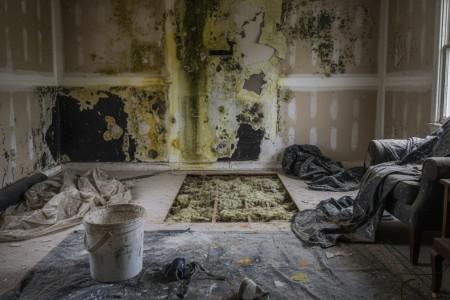
Mold remediation is often treated like a simple cleanup, but it is actually a technical process that requires containment, proper removal, controlled drying, and verification. When any of these steps are skipped or poorly executed, the results can be worse than doing nothing at all. Improper remediation does not just fail to solve the problem, it can spread contamination, increase health risks, and make future repairs more expensive.
Understanding what goes wrong when remediation is done incorrectly helps homeowners recognize red flags and avoid costly mistakes.
Mold spreads instead of being removed
One of the most common failures in improper remediation is the lack of containment. Without sealed work areas and negative air pressure, mold spores become airborne and travel to unaffected rooms. Bathrooms, bedrooms, closets, and HVAC systems can quickly become contaminated even if the original problem was localized.
This is why proactive prevention, such as keeping Pompano Beach properties steady after winter water damage, is so important. Once spores are dispersed throughout a home, cleanup becomes more complex and invasive.
The source of moisture remains untouched
Incorrect remediation often focuses only on visible mold while ignoring the water source that caused it. A hidden leak, poor ventilation, or trapped humidity means mold will return, sometimes within weeks.
Wiping, painting over stains, or using surface cleaners creates the illusion of progress while the real problem continues behind walls, under flooring, or inside ceilings.
Hidden mold is left behind
Surface cleaning rarely reaches mold growing deep inside porous materials like drywall, wood, or insulation. When these materials are not properly removed and replaced, the colony remains active and keeps releasing spores into the air.
Homeowners may believe the issue is resolved because discoloration is gone, but the contamination is still present in structural components that were never addressed.
Air quality can actually get worse
Some companies rely heavily on air purifiers or ozone-style treatments instead of proper removal. These methods may reduce odors temporarily but do not eliminate mold.
As explained in air purifiers for mold, filtration devices cannot stop mold growing inside building materials. If remediation is done incorrectly, airborne spore levels can remain elevated or even increase.
Health risks persist or intensify
When mold is disturbed without proper containment, spore exposure can spike dramatically. This can trigger or worsen symptoms such as coughing, wheezing, headaches, skin irritation, or sinus problems.
Vulnerable occupants like children, older adults, or people with asthma may experience more severe reactions. Incorrect remediation can therefore turn a manageable issue into a significant health concern.
Structural damage can become more serious
If moisture problems are not corrected, water damage continues to weaken drywall, wood framing, cabinetry, and flooring. What could have been a contained remediation job can turn into a major restoration project requiring demolition, reconstruction, and higher costs.
This is a pattern frequently seen in commercial settings, as discussed in restaurant water damage and what owners need to know (https://www.advantaclean.com/ft-lauderdale-fl/about-us/blog/restaurant-water-damage-what-owners-need-to-know-/), where small leaks escalate into widespread contamination when not handled properly.
“Black mold” concerns are not resolved
Improper remediation is especially risky when dark or black mold is involved. Simply bleaching or scrubbing visible areas does nothing to address deeper contamination.
As outlined in whether black mold is a serious problem in Plantation homes, proper assessment and removal are critical, particularly in humid South Florida environments where mold spreads aggressively.
You may fail post-remediation testing
Professional remediation should end with verification that spore levels have returned to normal. When work is done incorrectly, post-remediation tests often fail, forcing homeowners to pay for additional cleanup and inspections.
This turns what should have been a single remediation project into a drawn-out and far more expensive process.
What proper remediation actually looks like
Correct mold remediation includes isolating the affected area, removing contaminated porous materials, thoroughly drying the space with industrial equipment, cleaning remaining surfaces, and confirming results with testing.
This structured approach prevents cross-contamination, addresses the moisture source, and ensures the home is genuinely safe to reoccupy.
Get it done right the first time
If you suspect mold in your home or have already had remediation that did not feel thorough, do not gamble with your air quality or your property.
AdvantaClean’s certified technicians locate hidden moisture, contain affected areas properly, remove contaminated materials, and verify results so you are not left with lingering risks or recurring problems.
Skip the shortcuts and the guesswork. Start with a professional assessment that gives you real answers, not temporary fixes. Get in touch with us now.