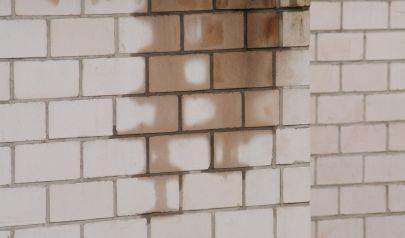
Water damage calls in North Olmsted rarely begin with dramatic flooding. More often, homeowners reach out after noticing damp carpet along a basement wall, a musty smell that will not fade, or small puddles appearing after heavy rain. Our team at AdvantaClean of the West Side sees this pattern throughout Northeast Ohio, where basements are a standard part of home construction and moisture intrusion is a familiar concern.
The mix of seasonal storms, snowmelt, and fluctuating temperatures around Lake Erie creates conditions where water can seep into lower levels without warning. Even homes that have remained dry for years may suddenly experience seepage when drainage systems struggle or foundation materials age.
Why Basements in North Olmsted Are Vulnerable
North Olmsted homes often sit on soil that holds moisture longer after rainfall or snowmelt. When that soil becomes saturated, pressure builds against foundation walls. Small cracks or gaps around utility penetrations can allow moisture to enter gradually. Repeated exposure over time can affect flooring, drywall, and stored belongings.
Our local technicians also encounter sump pump failures during storms or power outages. In finished basements, this can lead to water spreading beneath carpet and padding where it is not immediately visible. Homeowners may only recognize the issue once odors or discoloration develop.
These situations are common not only in North Olmsted but also in nearby communities such as Westlake, Rocky River, and Bay Village, where proximity to Lake Erie contributes to higher humidity and fluctuating soil moisture levels.
The Hidden Effects of Basement Water Intrusion
Water in a basement does more than create surface damage. It can affect indoor air quality and structural components if left unchecked. Materials like insulation and wood framing absorb moisture and retain it long after surfaces appear dry. This lingering dampness can contribute to microbial growth and persistent odors.
Our crew frequently finds water migration extending beyond the original entry point. Moisture may travel beneath flooring or along framing into adjacent rooms. In homes throughout Lakewood, Berea, and Brook Park, what started as minor seepage often required broader drying once hidden moisture was identified.
How Our Team Approaches Basement Water Restoration
When we arrive at a North Olmsted property, our first step is understanding how water entered and where it traveled. Moisture detection tools help identify affected materials that may not show visible signs of damage. This allows us to create a focused drying strategy rather than relying on guesswork.
Water extraction is performed to remove standing moisture. From there, we use targeted air movement and dehumidification to thoroughly dry structural materials. The goal is to stabilize the environment and prevent secondary concerns that can arise when moisture remains trapped.
Throughout the process, we communicate with homeowners about what can be restored and what may require replacement. Many basement materials can be preserved when action is taken early, which helps minimize disruption and repair costs.
Situations We Commonly See Across the West Side
Serving communities such as Avon, Avon Lake, North Ridgeville, and Olmsted Falls gives our team insight into recurring basement water issues. These include clogged exterior drainage, foundation seepage after extended rain, failed sump systems, and plumbing leaks that develop behind finished walls.
In rural areas such as Columbia Station, Valley City, Grafton, and Lagrange, homes with crawl spaces or older foundations may experience moisture accumulation due to limited drainage improvements over time. Each property presents its own challenges, which is why a personalized restoration approach is essential.
Practical Awareness Tips for Homeowners
Homeowners can take several steps to reduce the risk of basement water. Regularly inspecting sump pumps, keeping gutters clear, and ensuring downspouts direct water away from the foundation can help limit moisture intrusion. Monitoring basement humidity and addressing small cracks early can also prevent larger problems later.
These simple habits provide added protection during heavy rain and seasonal thaw periods common across Northeast Ohio.
Local Help When Basement Water Appears
Working throughout North Olmsted and the surrounding communities has shown our team how unpredictable basement water issues can be. Whether moisture enters gradually or after a sudden storm, prompt evaluation helps prevent damage from spreading and restores confidence in your home's safety.
If you are dealing with basement water concerns, AdvantaClean of the West Side is available to help homeowners across Avon, Avon Lake, Bay Village, Berea, Brook Park, Cleveland, Columbia Station, Grafton, Lagrange, Lakewood, North Olmsted, North Ridgeville, Olmsted Falls, Rocky River, Valley City, and Westlake. You can reach our local team at (440) 568-0300, learn more at https://www.advantaclean.com/north-olmsted-oh, or visit our Google Business Profile at https://share.google/KAekMPGgJ2nr3D1L9. Early action can make all the difference when basement moisture begins to affect your home.
AdvantaClean of the West Side, OH
31335 Industrial Pkwy Unit 1, North Olmsted, OH 44070
(440) 568-0300
https://maps.app.goo.gl/haE7CZR17uQU6AfN6