When a new school year begins, families usually focus on changing routines, gathering supplies, and getting kids ready for class. However, indoor air quality at home is just as important, even though it is often overlooked. Good air quality can make a big difference in comfort, especially as families spend more time indoors for homework and evening activities, and as the weather changes.
High humidity in summer, running the air conditioner for long periods, and hidden moisture problems can all affect your home’s air quality even after summer break is over. Dust, allergens, and excess moisture can accumulate over time without clear signs. Taking a few simple steps before school starts can help keep your indoor air cleaner and prevent bigger problems later.
AdvantaClean suggests treating indoor air quality as part of regular home care, not just something to address when issues come up. Making small changes before school starts can help keep your home healthier all year.
Summer Leaves Behind More Than Warm Weather
In many places, summer brings long stretches of high humidity. Air conditioners help keep your home cool and also manage moisture levels. If your system hasn’t been serviced or the filters are dirty, your indoor air quality can slowly get worse.
Humidity can also build up in places people rarely check, like crawl spaces, attics, laundry rooms, utility closets, and basements. These areas can collect moisture without anyone noticing. Even small amounts of condensation can lead to bigger problems if not addressed.
When kids go back to school, there’s more activity inside the house. Shoes bring in dirt, backpacks pick up dust from school, and doors open and close all day. These everyday actions can spread particles through your home’s air.
Checking your indoor air quality before school starts lets you catch any problems early, while they are still easy to fix.
Pay Attention to the Home’s Ventilation System
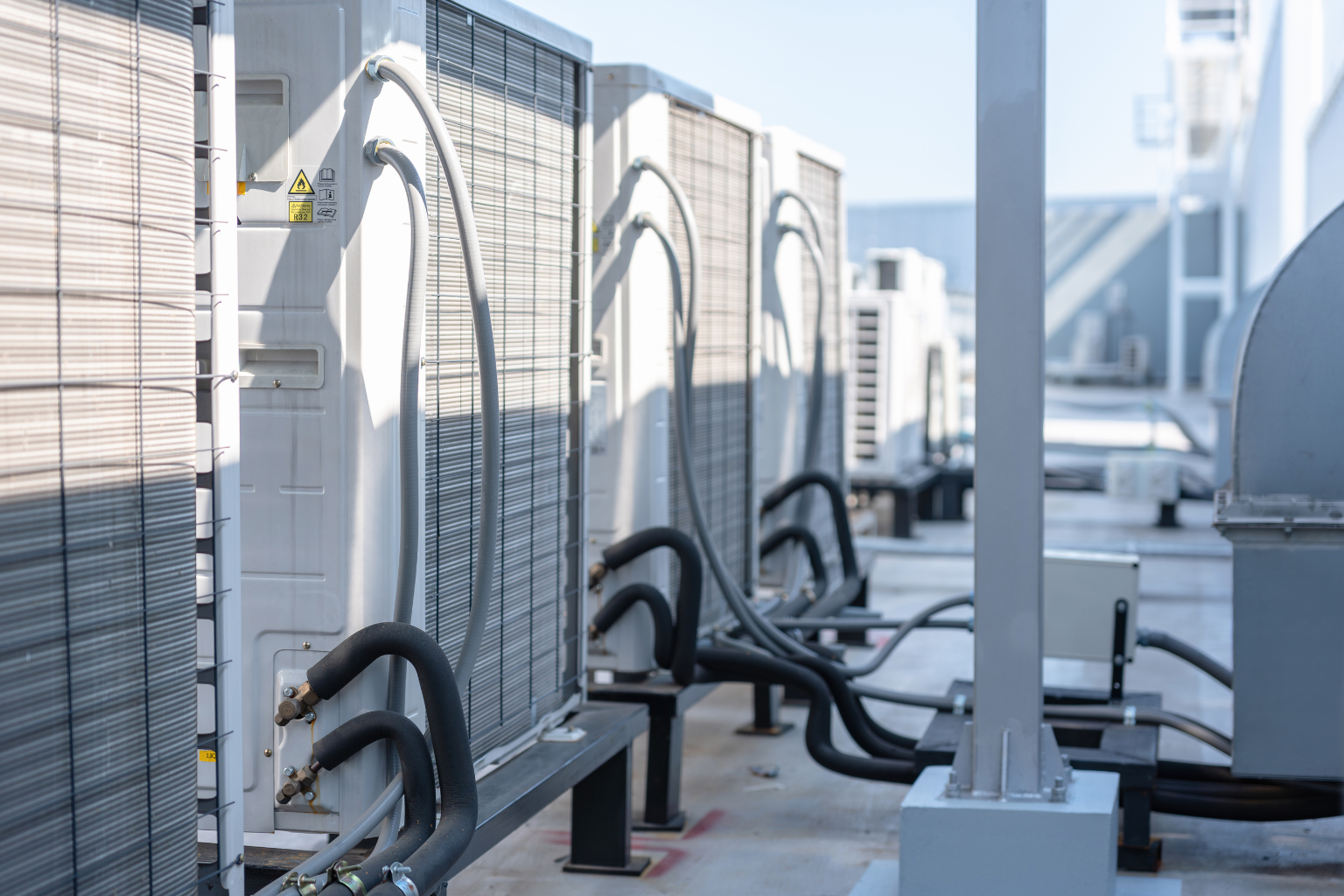
Your heating and cooling system moves air around your home all the time. Keeping up with HVAC maintenance is one of the easiest ways to start improving your indoor air quality.
A dirty air filter can block airflow and reduce your system's efficiency. Changing filters as the manufacturer suggests helps your system run well and reduces dust in your home.
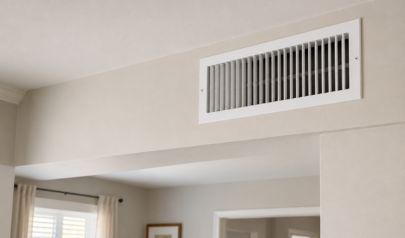
Supply and return vents also deserve occasional attention. Furniture, storage boxes, or decorative items sometimes block airflow without homeowners realizing it. Restoring unrestricted airflow allows conditioned air to move more effectively through occupied rooms.
Annual HVAC inspections also help identify developing concerns before they become expensive repairs. A technician may discover drainage issues, excessive moisture near equipment, or other conditions that affect system performance.
While regular HVAC maintenance helps keep your air healthy, you should get extra help if you notice strange smells, ongoing humidity, or visible mold near your system.
Moisture Often Develops Where People Rarely Look
Most people spot water on the floor after a leak, but moisture hidden inside walls or floors is much harder to notice.
Water can stay behind drywall, under floors, inside insulation, or around windows even after everything looks dry. These damp spots can lead to mold if you don’t remove the moisture.
Rather than waiting for stains to show up, it’s helpful to check places where moisture often builds up regularly
- Bathrooms deserve attention because daily showers generate humidity that may linger if ventilation is inadequate.
- Laundry areas can experience slow plumbing leaks or condensation around appliances.
- Kitchen sink cabinets sometimes conceal minor supply line leaks that continue unnoticed for months.
- Also check basements and crawl spaces periodically, especially after heavy rainfall.
Catching moisture problems early can help you avoid bigger repairs later.
Everyday Habits Influence Indoor Air Quality
Many factors affecting indoor air quality have little to do with expensive equipment. Daily routines play an important role in maintaining healthier indoor conditions.
Opening bathroom exhaust fans during showers helps remove excess humidity before it spreads throughout the home. Kitchen ventilation reduces moisture generated while cooking. Keeping air returns unobstructed supports balanced airflow, while routine vacuuming with a high-quality filtration system removes accumulated dust before it becomes airborne again.
Pet owners may benefit from cleaning more often during shedding seasons, especially if family members have allergies. Homeowners should also avoid storing damp items inside closets, garages, or finished basements where moisture may become trapped.
None of these practices eliminate every indoor air quality concern, yet together they contribute to a cleaner environment throughout the school year.
Recognizing Signs that Deserve Professional Attention
Some indoor environmental concerns cannot be resolved through routine housekeeping alone.
Persistent musty odors deserve investigation, particularly when the source cannot be identified. Indoor humidity that remains consistently high despite air conditioning may indicate an underlying moisture issue. Water stains that keep expanding, peeling paint, recurring condensation, or visible mold growth each suggest conditions that require further evaluation.
Every property presents different circumstances. Construction materials, weather patterns, previous water damage, ventilation design, and occupancy all influence how moisture behaves inside a building.
Professional inspections help determine the actual source rather than simply treating visible symptoms.
AdvantaClean locations offer indoor air quality and moisture-related services where available. An assessment can help property owners understand existing conditions and determine appropriate next steps based on the home’s specific needs.
Building Healthier Habits Throughout the School Year
Preparing for school often focuses on supplies, schedules, and transportation. Homes also benefit from seasonal preparation, particularly after months of summer heat and humidity.
The choices you make all year long affect your home’s air quality. Changing HVAC filters on time, addressing water leaks promptly, keeping humidity in check, and checking for damp areas all help create a healthier home.
Instead of treating indoor air quality as a one-time job, try making these steps part of your regular home care. Paying attention regularly can help stop small problems from turning into big repairs.
Frequently Asked Questions
How often should HVAC filters be replaced?
The appropriate replacement schedule depends on the filter type, household occupancy, pets, and manufacturer recommendations. Many homeowners inspect filters monthly and replace them as needed.
What indoor humidity level is generally recommended?
Many indoor environments perform well when relative humidity stays between about 30% and 50%, although conditions may vary by climate and building.
Does a musty smell always indicate mold?
Not necessarily. A musty odor may result from several moisture-related conditions. Because hidden moisture is sometimes involved, investigate unexplained odors rather than ignore them.
Should a home be inspected after heavy summer storms?
If flooding, roof leaks, or water intrusion occurred, an inspection can help determine whether moisture remains inside structural materials before larger problems develop.
Keep Indoor Air Quality on the School-year Checklist
Getting your home ready for a new school year is about more than just backpacks and routines. Keeping your indoor space clean helps everyone feel comfortable and lets you catch moisture problems before they get worse.
If you’re worried about indoor air quality, humidity, or moisture in your home, visit AdvantaClean to learn about our services and find a location that can check your home’s unique situation.