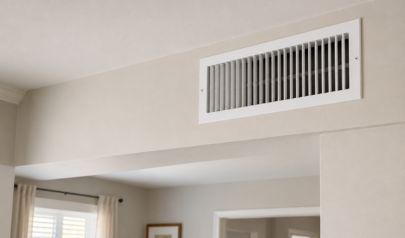
Some Buildings Feel Different the Moment You Walk Inside
Most people notice the difference immediately, even if they cannot identify the reason.
In some offices, the environment feels comfortable upon entry. The air is balanced, employees do not need to adjust thermostats frequently, and conference rooms remain comfortable throughout the day.
In contrast, another building may offer a noticeably different experience.
The lobby may feel humid, some offices are warmer than others, and employees use personal fans. Disagreements about comfort often make the thermostat a frequent topic of discussion.
This difference is not always due to the building's age.
More often, it relates to how effectively the HVAC system meets the building's demands.
Commercial buildings depend on more than just cooling. HVAC systems regulate humidity, maintain air quality, and ensure comfortable environments for all occupants. Assessing system performance before issues arise is essential to safeguarding both the building and its occupants.
Comfort Is Only Part of the Job
Cooling is only one responsibility of a commercial HVAC system.
Each day, the system also manages airflow, removes moisture, filters airborne particles, and maintains consistent conditions across various commercial properties.
When this balance shifts, subtle signs often appear before equipment failure occurs.
Employees begin commenting that certain rooms never cool properly.
Humidity lingers longer after cleaning crews finish.
Meeting rooms feel stuffy despite the thermostat reading the correct temperature.
These are not just comfort complaints; they are often early indicators that the HVAC system requires attention.
Summer Changes the Workload
Commercial HVAC systems experience peak demand during the hottest months.
Extended operating hours, higher temperatures, increased occupancy, frequent door openings, and elevated humidity all require the system to work harder than in previous months.
Equipment that performed well in spring may struggle to maintain consistent conditions as demand rises.
Routine seasonal inspections help identify issues before they impact occupants or disrupt operations.
Indoor Air Quality Is More Than Clean Filters
Air filtration is only one part of maintaining healthy indoor environments.
Balanced airflow, humidity control, proper ventilation, clean coils, clear condensate drains, and well-maintained components all contribute to indoor air quality.
Persistent humidity can cause lingering odors, condensation, uneven temperatures, and discomfort, even when the HVAC system is running.
Addressing these conditions supports occupant comfort and overall building performance.
Small Maintenance Decisions Have Long-Term Benefits
Preventive maintenance often goes unnoticed because, when performed correctly, it prevents major issues.
Equipment continues operating efficiently.
Energy consumption remains more consistent.
Unexpected breakdowns become less likely.
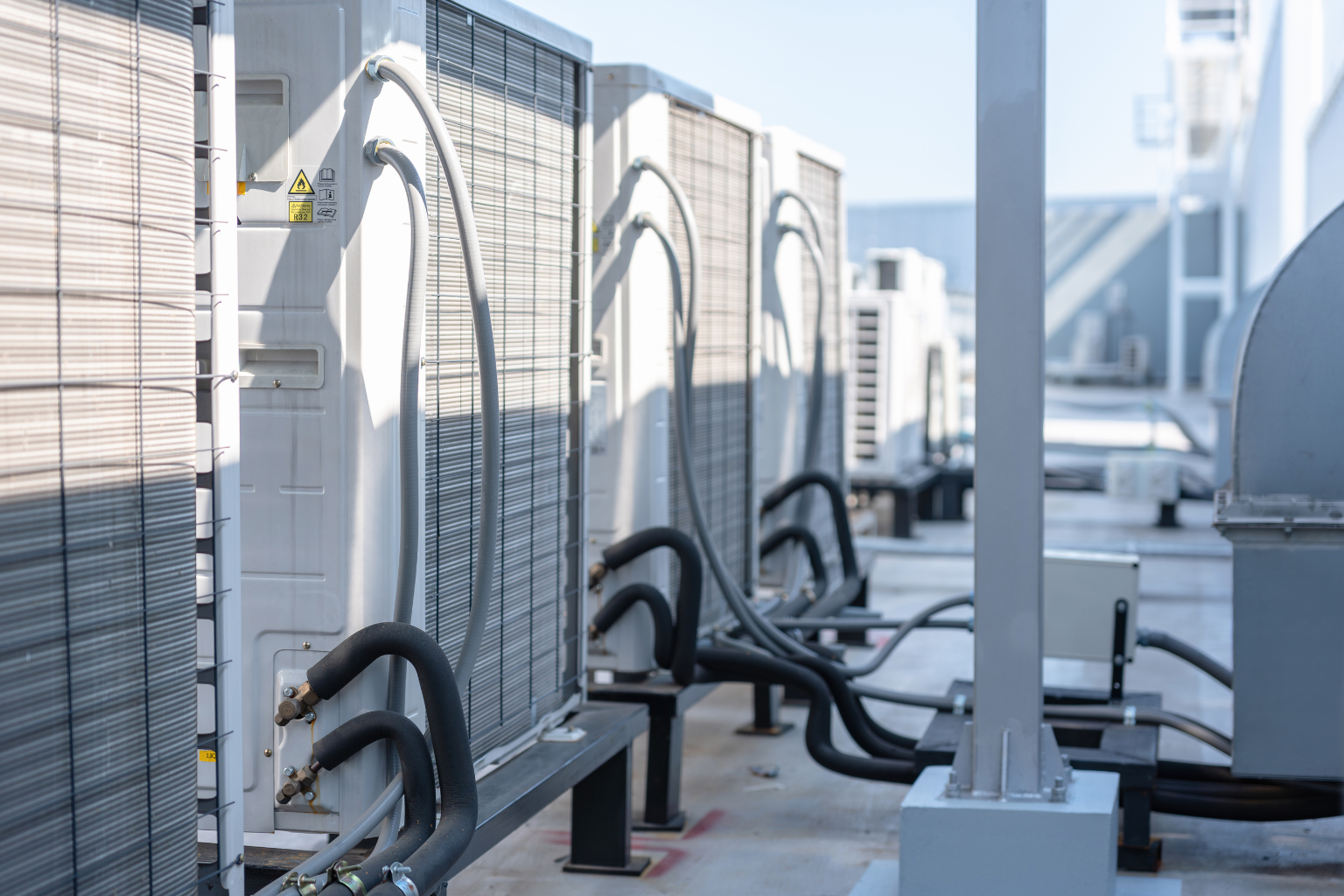
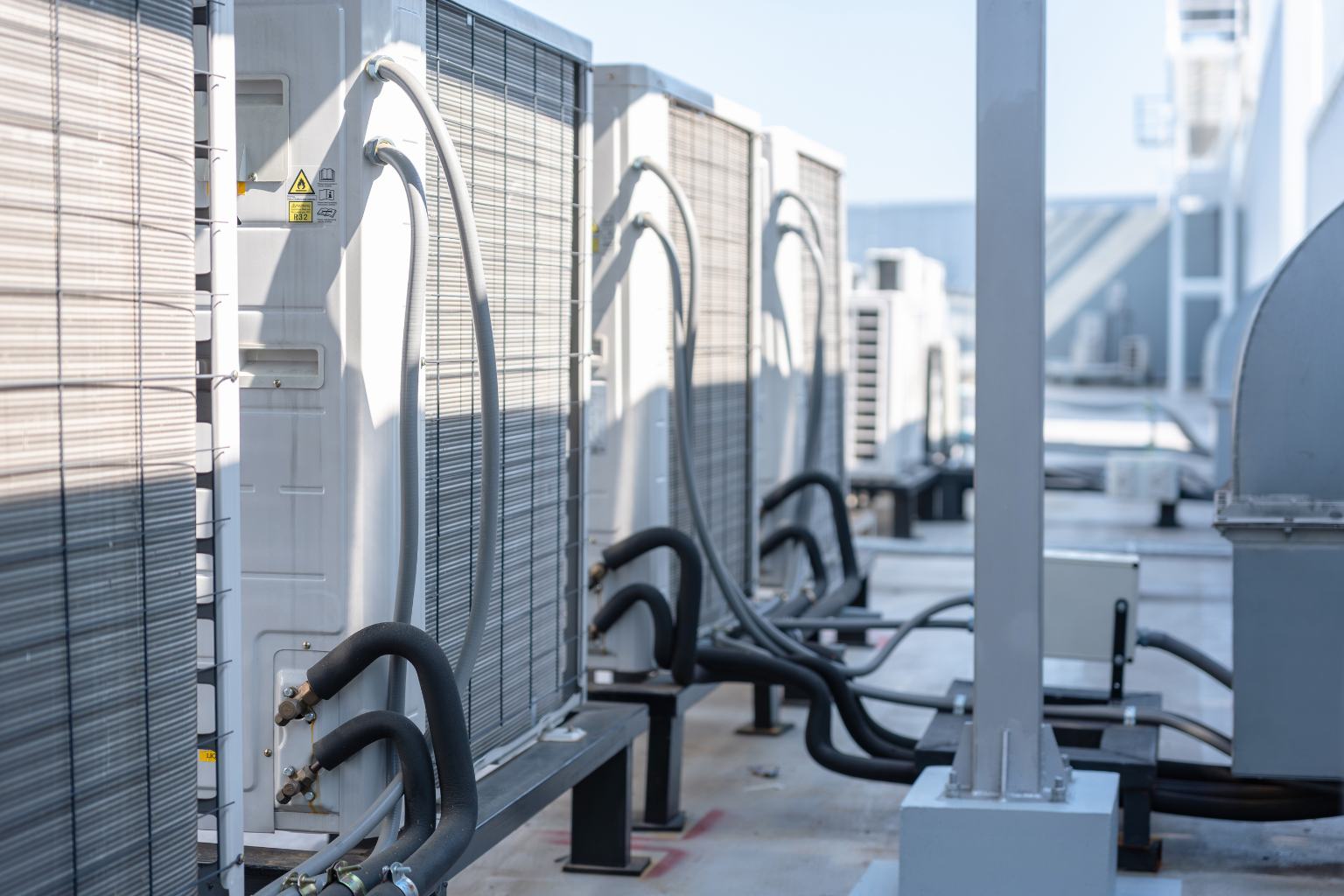
Replacing filters, cleaning coils, inspecting rooftop units, evaluating airflow, checking belts, and verifying drainage all contribute to reliable system performance during the months when businesses depend most on their HVAC systems.
Individually, these tasks may seem minor, but collectively they support the long-term health of the mechanical system.
Building Performance Doesn't Stop at the Thermostat
Temperature is only one measure of HVAC performance.
Humidity, airflow, ventilation, occupant comfort, indoor air quality, and equipment efficiency are also critical indicators.
A building that maintains balance across these areas is better prepared for summer demands than one that reacts only after issues arise.
AdvantaClean partners with commercial property owners and facility managers to identify conditions affecting building performance before they become major concerns. Seasonal HVAC maintenance is not just a checklist item; it is an opportunity to improve efficiency, support healthier environments, and ensure buildings perform as intended during peak periods.