Why Does My House Feel Hot Even When the Air Conditioner Is Running?
One of the most common questions homeowners ask during the summer isn't whether their air conditioner is working—it's why their home still doesn't feel comfortable.
A thermostat may show the desired temperature, yet certain rooms remain noticeably warmer than others. Upstairs bedrooms often feel hotter than the first floor, humidity lingers indoors, and the HVAC system seems to run much longer than expected. While it's easy to assume the air conditioner is failing, comfort inside a home depends on much more than cooling equipment alone.
At AdvantaClean, understanding how moisture, airflow, ventilation, and building performance work together is an important part of helping homeowners maintain healthier indoor environments. Summer comfort is influenced by every part of the home's envelope—not just the thermostat on the wall.
Why Does My Upstairs Stay Hotter Than the Downstairs?
Heat naturally rises, but that's only part of the explanation.
During summer, attic temperatures can exceed 130°F, creating a constant source of radiant heat above your living space. If attic insulation has settled over time or ventilation isn't performing efficiently, that heat transfers into ceilings and upper-level rooms throughout the day.
At the same time, cooled air is naturally heavier than warm air. Without balanced airflow throughout the home, conditioned air may struggle to reach second-story living areas while warmer air remains trapped above.
This combination often explains why homeowners notice significant temperature differences between floors even when their HVAC system appears to be operating normally.
Can Humidity Make My Home Feel Hotter?
Absolutely.
Humidity doesn't increase the air temperature inside your home, but it changes how your body experiences it.
When indoor humidity rises, perspiration evaporates more slowly from your skin. Since evaporation is one of the body's primary cooling mechanisms, high humidity can make indoor spaces feel warmer than the thermostat indicates.
Many homeowners lower the thermostat to compensate, believing the air conditioner isn't cooling enough. In reality, the HVAC system may be working harder simply because excess moisture is preventing the home from feeling comfortable.
Maintaining balanced indoor humidity improves comfort while reducing unnecessary strain on cooling equipment.
Why Does My Air Conditioner Run Constantly?
Continuous operation isn't always a sign that an HVAC system is undersized or failing.
Several conditions can increase cooling demand, including:
-
Air leaks around windows and doors
-
Poor attic insulation
-
Dirty HVAC filters
-
Blocked return vents
-
Excess indoor humidity
-
Solar heat entering through large windows.
-
Aging ductwork that loses conditioned air before it reaches living spaces
When multiple small issues occur together, they create additional workload for the entire system.
Instead of focusing only on the air conditioner, it's important to view the home as a complete system where insulation, ventilation, moisture control, and airflow all influence performance.
Can Poor Indoor Air Quality Affect Summer Comfort?
Many homeowners don't immediately associate indoor air quality with cooling efficiency, but the two are closely connected.
Restricted airflow caused by dirty filters, excessive dust accumulation, or clogged HVAC components can reduce the system's ability to circulate conditioned air evenly throughout the home.
High indoor humidity also creates conditions that support microbial growth in certain environments if moisture remains uncontrolled for extended periods.
Keeping both moisture levels and air movement balanced supports not only comfort, but healthier indoor conditions throughout the summer season.
Are Closed Interior Doors Making My HVAC Work Harder?
Surprisingly, they can.
Many residential HVAC systems are designed with balanced airflow in mind. Closing multiple bedroom or office doors for long periods can disrupt pressure differences inside the home, reducing efficient air circulation.
Although this isn't the only factor affecting comfort, it's another example of how seemingly minor changes inside the home can influence overall HVAC performance.
What Can Homeowners Do to Keep Their Homes Cooler?
Improving summer comfort doesn't always require replacing equipment. Small improvements throughout the home often produce noticeable results.
Helpful practices include:
-
Replace HVAC filters regularly.
-
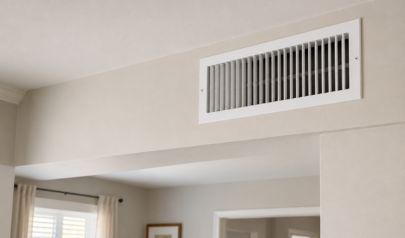
Keep supply and return vents unobstructed.
-
Monitor indoor humidity levels.
-
Seal air leaks around windows and exterior doors.
-
Ensure attic insulation remains effective.
-
Schedule routine HVAC maintenance.
-
Keep gutters and roof drainage functioning properly to reduce unwanted moisture around the structure.
Each improvement supports the home's ability to maintain consistent temperatures while helping HVAC equipment operate more efficiently.
Why Does Building Performance Matter?
A home functions as an interconnected system.
Cooling equipment, insulation, ventilation, moisture control, and indoor air quality all influence one another. When one area underperforms, the effects are often felt throughout the entire structure.
Rather than viewing comfort problems as isolated HVAC issues, AdvantaClean encourages homeowners to consider how their home's overall performance affects both energy efficiency and indoor environmental quality. Understanding the relationship between heat, airflow, and moisture allows homeowners to make informed decisions that support long-term comfort throughout the summer months.
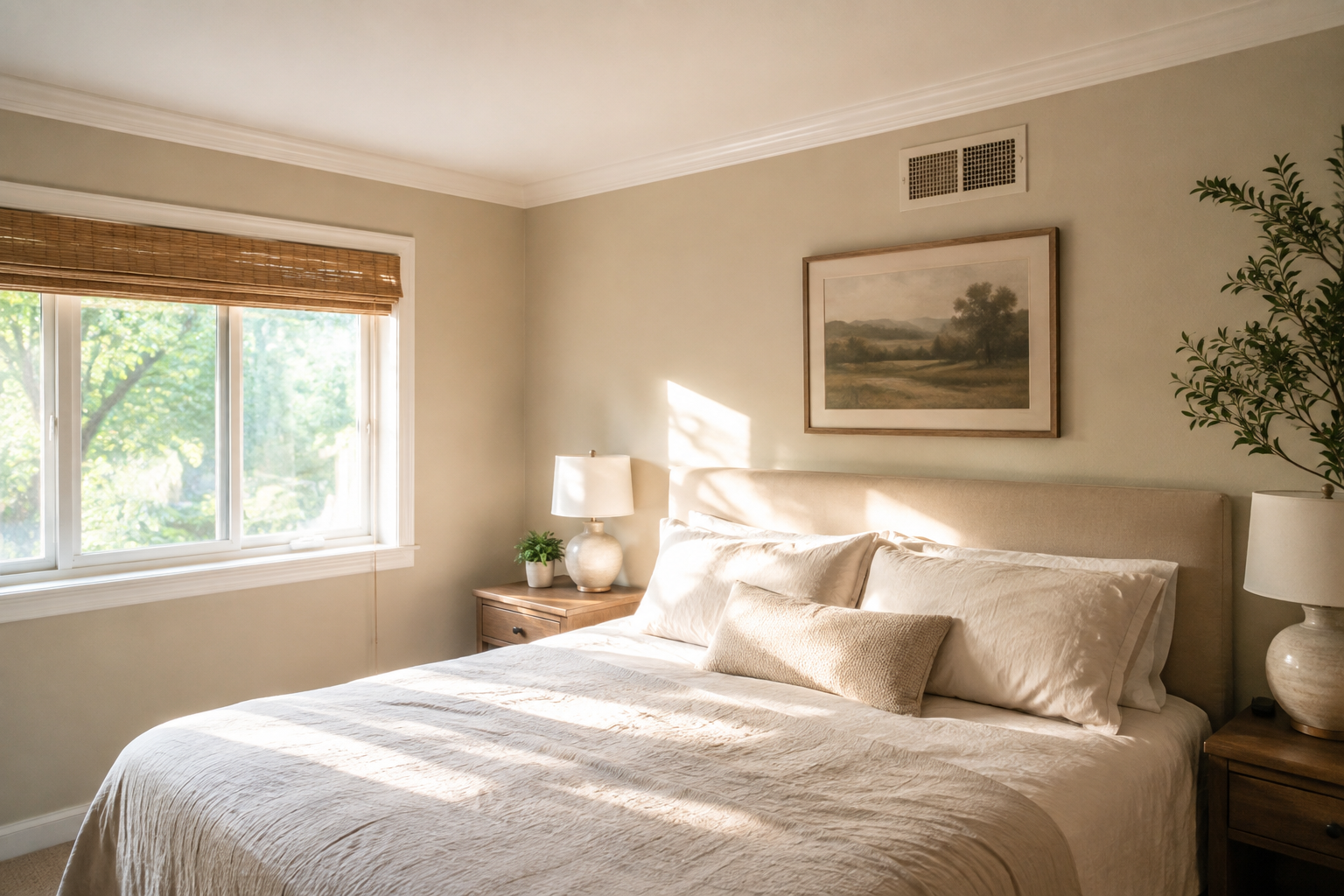
Whether you're trying to improve indoor air quality, reduce excess humidity, or better understand why certain areas of your home never seem to cool evenly, AdvantaClean believes that informed homeowners are better equipped to protect both their homes and the indoor environments they enjoy every day.