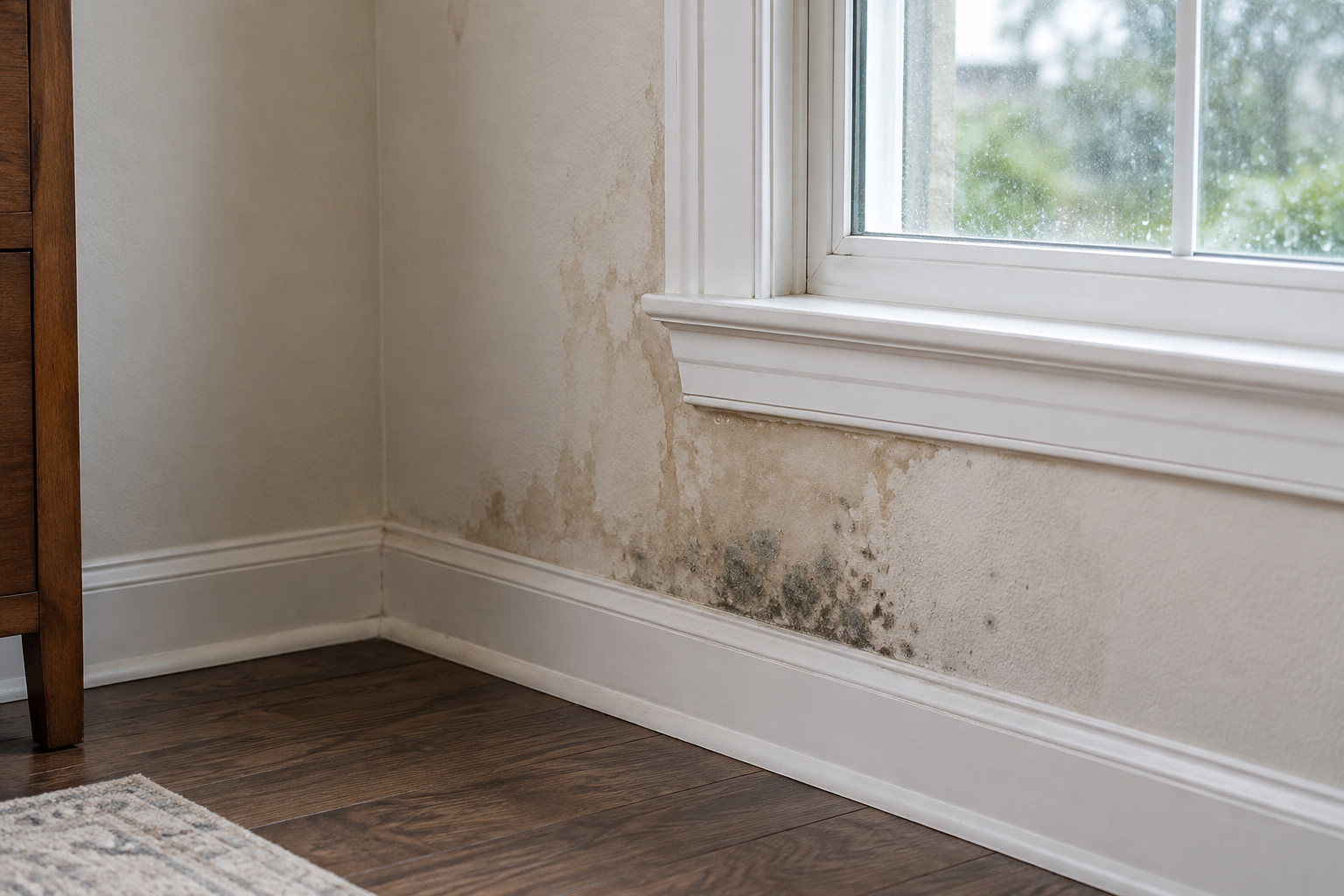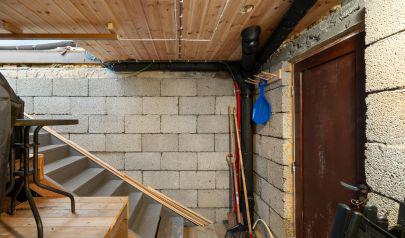
Basements respond differently to seasonal changes than the rest of a home. Positioned below ground level and surrounded by soil, these spaces experience cooler temperatures and slower air movement throughout the winter months. While the living areas above remain warm, basement surfaces such as foundation walls and concrete floors stay significantly cooler. This temperature difference influences how moisture behaves inside the home.
When warm interior air moves downward into the basement environment, the moisture carried within that air can condense on cooler structural surfaces. Foundation walls, floor slabs, and lower framing components provide surfaces where condensation forms easily. During winter, these moisture conditions may remain unnoticed because airflow is limited and basements are often closed off from daily household activity.
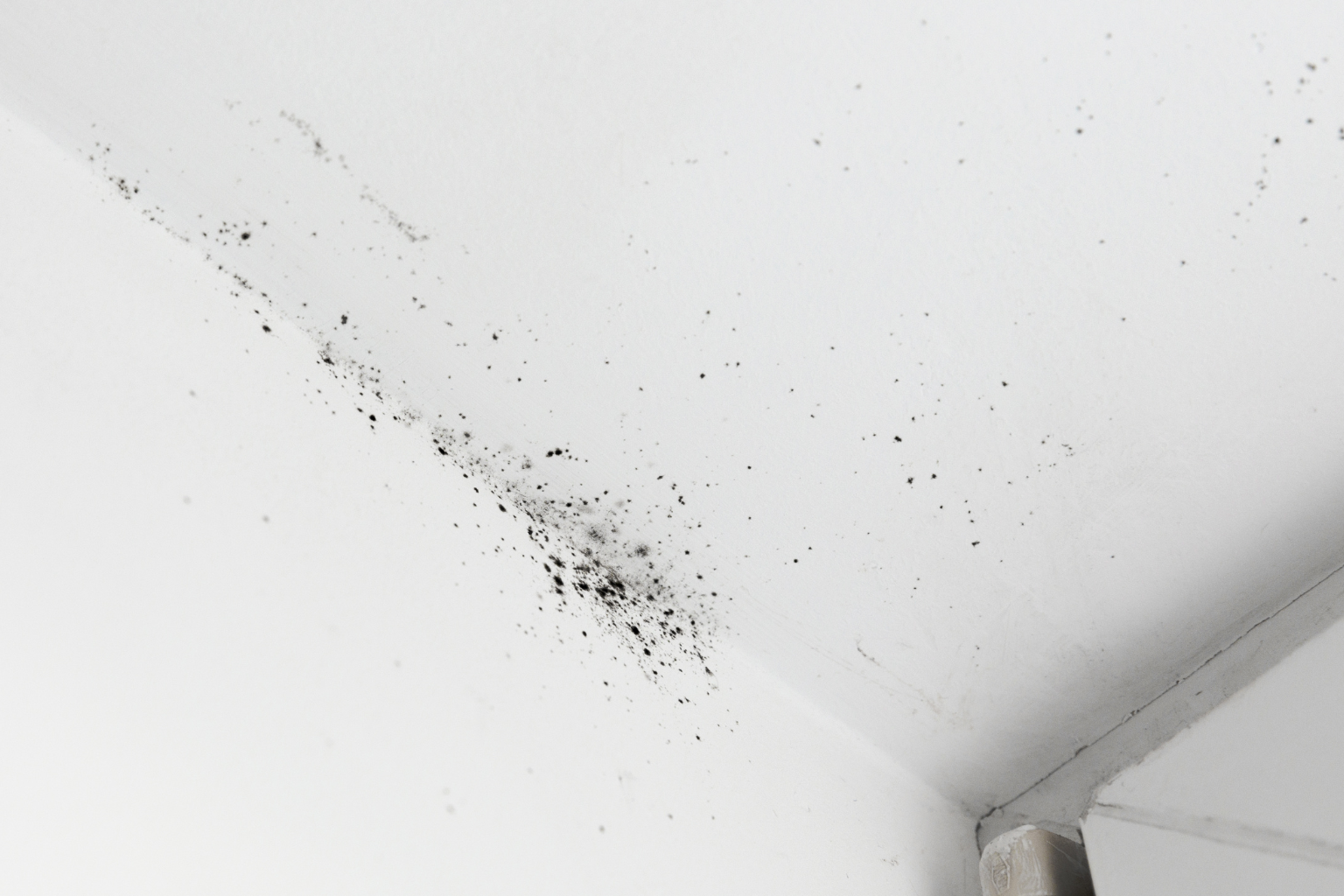
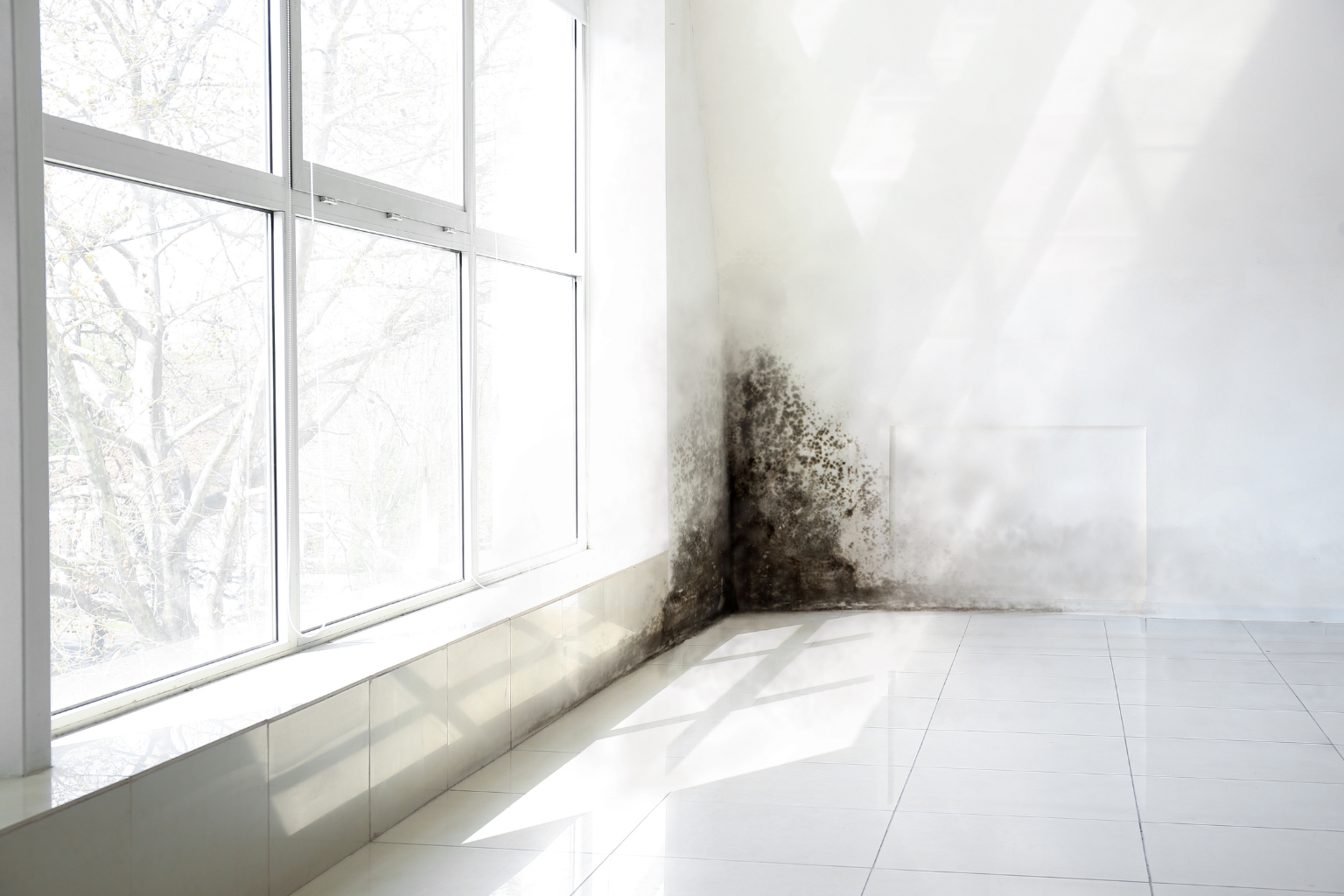
As seasonal temperatures begin to shift, the moisture that accumulated on basement materials throughout the winter can begin supporting mold growth. Environmental assessments performed in residential homes show that mold frequently appears along foundation walls, stored materials, and unfinished wood framing during the transition between winter and spring. During humidity and mold evaluations conducted by AdvantaClean, technicians frequently identify condensation-driven moisture as a primary factor behind basement mold appearing after winter.
How Winter Moisture Conditions Develop in Basements
The indoor environment of a home constantly exchanges heat and moisture between rooms. In winter, heated air circulating through the living space carries humidity created by daily activities such as cooking, bathing, and laundry. As that warm air moves toward cooler basement areas, moisture behavior changes.
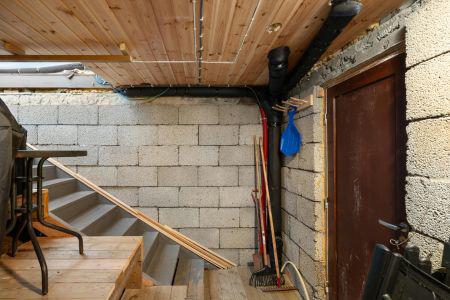
Condensation occurs when humid air encounters cooler surfaces. Basement walls and concrete floors tend to remain colder because they are in direct contact with surrounding soil. When warm indoor air reaches these surfaces, water vapor in the air converts to liquid moisture on the material.
Several environmental factors inside basements influence how this moisture develops:
- Limited air circulation
Basements typically receive less airflow than upper levels of the home, allowing humidity to remain trapped. - Temperature differences between floors
Heated air from the living space above moves downward and interacts with cooler basement surfaces. - Concrete and masonry foundation materials
These materials naturally hold moisture and can slowly release humidity back into the basement air. - Stored belongings in basement areas
Cardboard boxes, wood shelving, and fabrics can absorb moisture and create surfaces where mold can begin growing.
Environmental moisture conditions may persist throughout the winter season without becoming visible. As outdoor temperatures rise and humidity levels change, the basement environment shifts as well. Mold growth becomes more noticeable once materials that remained damp during winter begin interacting with warmer air.
Environmental inspections conducted by AdvantaClean across residential properties frequently reveal that basement mold appears in early spring because moisture conditions developed quietly over several months.
Stabilizing Basement Humidity to Reduce Mold Development
Managing humidity levels inside basement spaces is the most effective way to reduce the environmental conditions that allow mold to develop. Because basements remain naturally cooler and closer to soil moisture, humidity control and airflow improvements help maintain balance inside the home.
Several environmental stabilization steps support healthier basement conditions.
Humidity control
Dehumidifiers help regulate moisture levels in basement air. Maintaining balanced humidity prevents condensation from forming on foundation surfaces.
Air circulation
Fans and improved airflow reduce stagnant air pockets where humidity can accumulate.
Foundation surface monitoring
Regular inspection of basement walls and floor joints helps identify condensation patterns before mold growth develops.
Storage adjustments
Elevating stored items and allowing airflow around basement belongings reduces the likelihood of moisture absorption.
Exterior moisture management
Proper grading and drainage around the home help limit the amount of moisture affecting foundation walls.
Environmental patterns observed across residential moisture assessments show that basement mold usually reflects humidity conditions rather than a single water intrusion event. Mold growth becomes possible when moisture remains trapped on structural surfaces long enough for microbial activity to begin.
During indoor environmental evaluations performed by AdvantaClean, technicians frequently examine humidity levels, ventilation conditions, and foundation moisture patterns together to understand how the basement environment is behaving. These assessments help identify the environmental imbalance allowing mold growth to appear.
Basements remain one of the most moisture-sensitive areas of residential homes. When airflow, humidity, and foundation moisture conditions remain balanced, the basement environment stays stable. When seasonal shifts disrupt that balance, mold growth can begin appearing on surfaces that remain damp throughout the winter months.