When severe weather strikes—whether from torrential rain, tropical storms, roof leaks, or flash flooding—property damage is often visible immediately. However, the secondary aftermath that begins behind the walls poses one of the greatest threats to your home's structural integrity and your family's indoor air quality: mold growth.
Understanding the dynamics of post-storm moisture intrusion, the science of microbial propagation, and the professional remediation process is critical to restoring your home safely.
The 24-to-48-Hour Clock: Why Immediate Action Matters
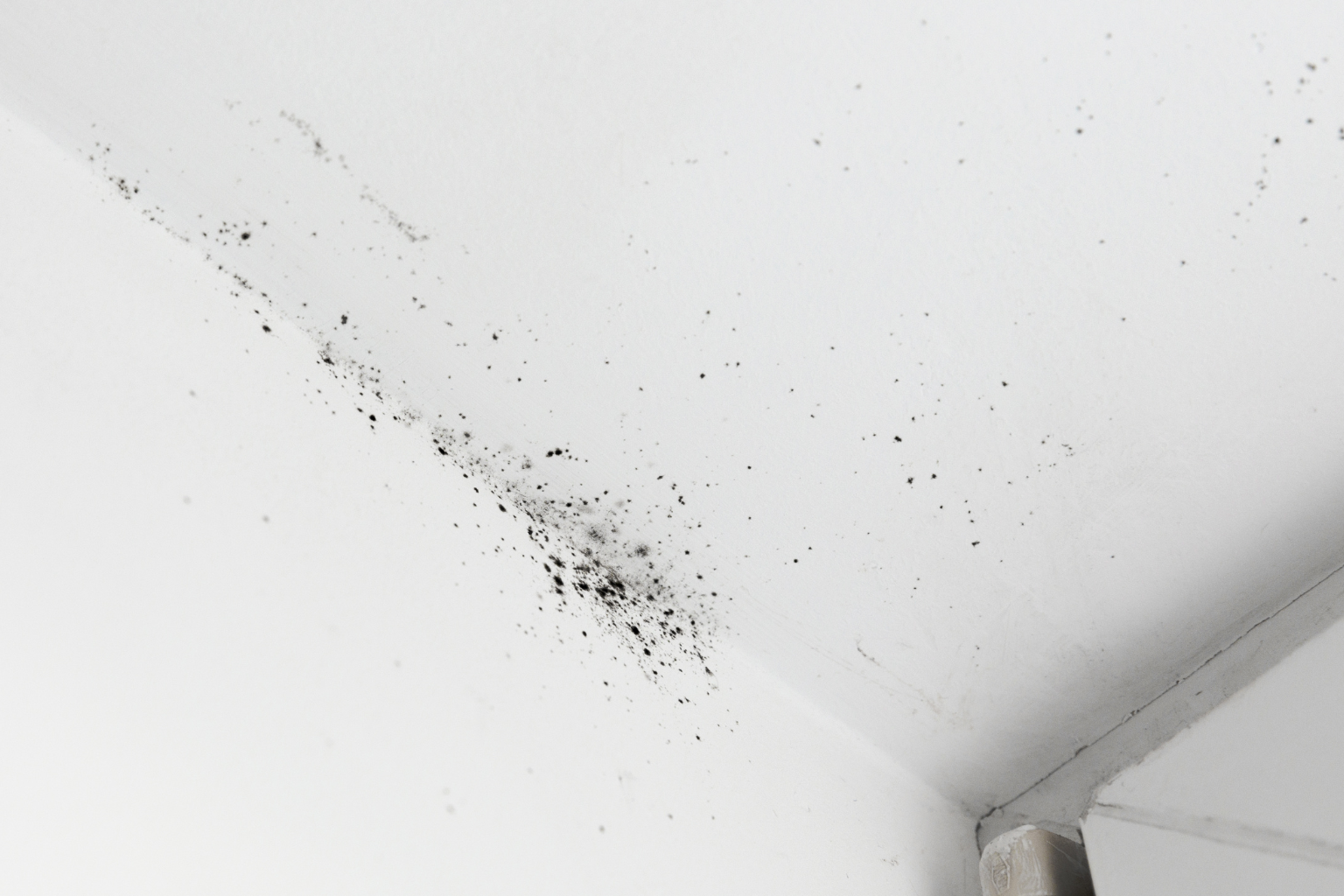
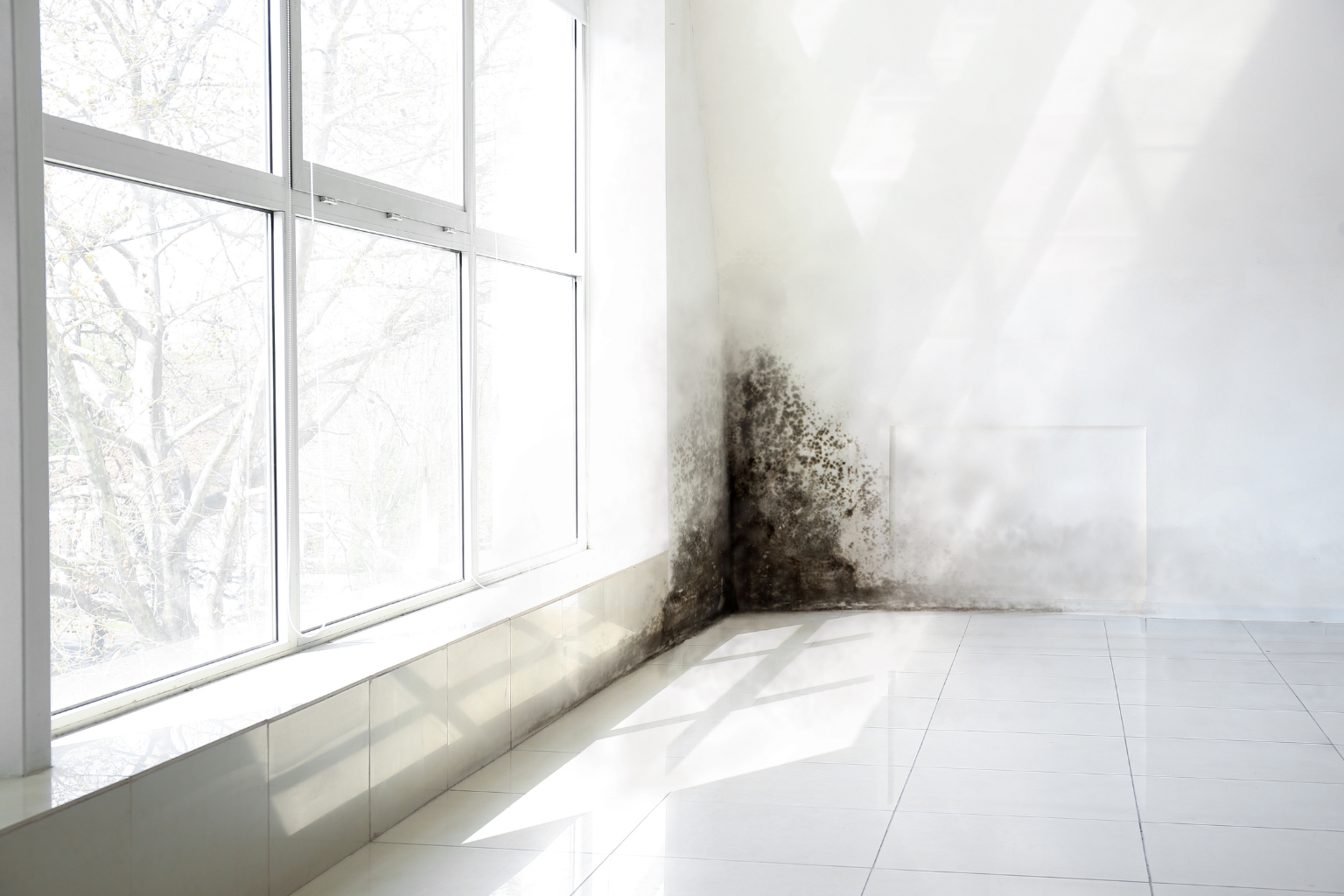
Mold spores naturally exist in both indoor and outdoor environments in dormant states. However, once organic building materials—such as drywall, wood framing, baseboards, and subflooring—absorb water, dormant spores encounter the ideal conditions to colonize.
- The Propagation Window: Under warm, humid post-storm conditions, active mold amplification can begin in as little as 24 to 48 hours.
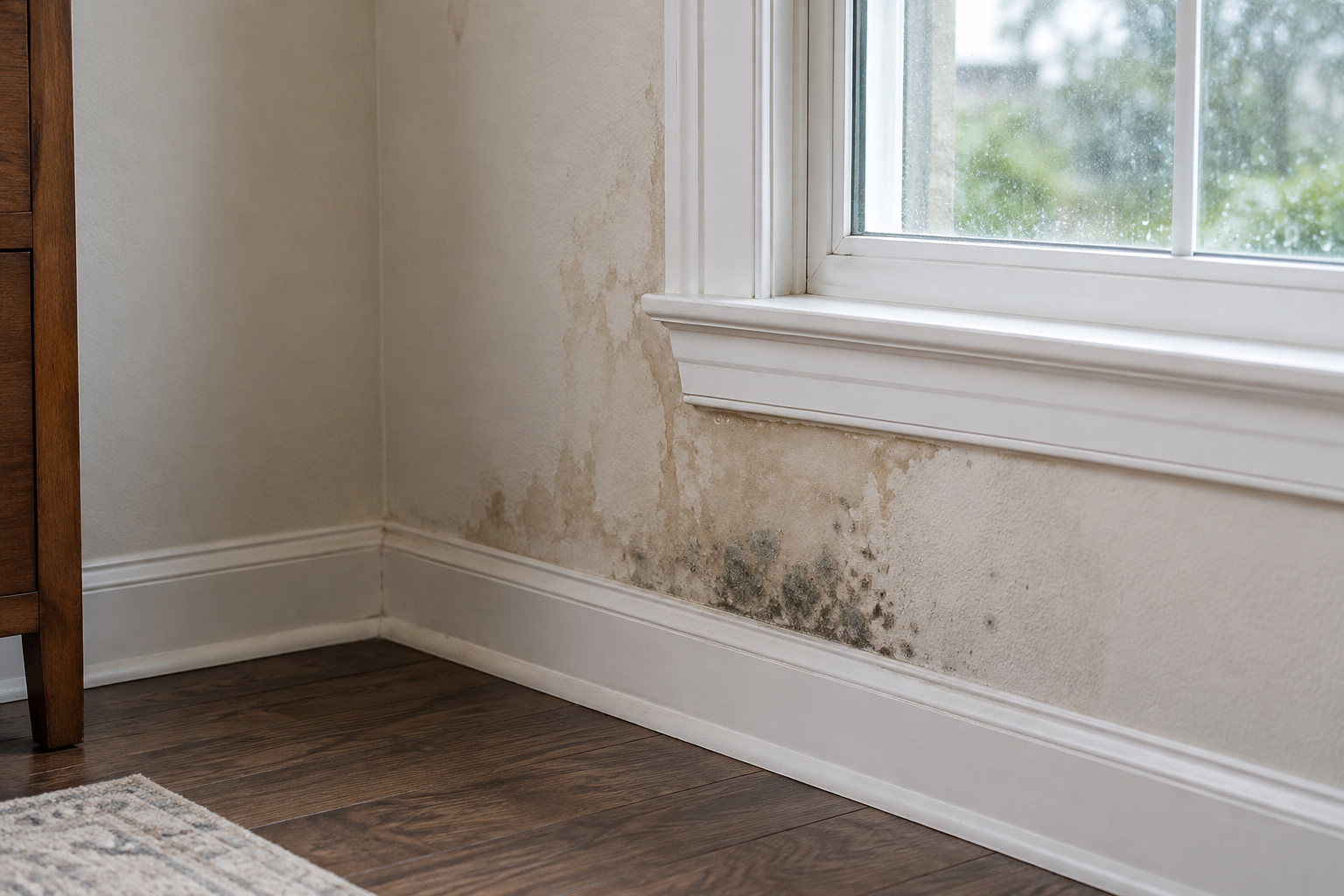
- Hidden Moisture Pockets: Water driven by high winds frequently bypasses exterior flashing and enters wall cavities, attic insulation, and crawlspaces, saturating areas that are not readily visible.
- Health and Indoor Air Quality (IAQ): Airborne fungal spores, fragments, and mycotoxins can quickly circulate through the HVAC system, exacerbating allergies, asthma, and other respiratory complications.
The Limitations of DIY: Why Bleach and Surface Cleaners Fail
A frequent misconception after storm-related water intrusion is that household bleach or over-the-counter biocide sprays will solve the problem.
1. Bleach Does Not Penetrate Porous Substrates: Sodium hypochlorite solutions work best on hard, non-porous surfaces. On porous materials like drywall, carpet padding, and unfinished lumber, the chlorine remains on the surface while the water component penetrates deeper, inadvertently feeding embedded fungal roots (hyphae).
2. Disturbing Spores Increases Contamination: Aggressively scrubbing dry or semi-dry mold colonies without engineered containment aerosolizes millions of microscopic spores, spreading contamination into unaffected areas of the home.
3. Physical Removal is Required: According to industry standards (ANSI/IICRC S520), proper remediation requires targeted professional mold removal and the physical extraction and disposal of non-salvageable materials, not merely attempting to kill or paint over active microbial growth.
The Professional Mold Remediation Process
Certified restoration professionals follow the ANSI/IICRC S520 Standard for Professional Mold Remediation, ensuring that the structure is returned to Condition 1 (normal fungal ecology) through systematic, controlled phases:
1. Comprehensive Assessment & Moisture Mapping: Locating hidden intrusion without invasive destruction.
Technicians utilize non-invasive diagnostic tools, including thermal imaging (infrared) cameras and calibrated moisture meters, to trace the exact migration path of stormwater behind structural assemblies and under flooring.
2. Containment & Negative Air Pressure: Prevents cross-contamination into clean living spaces.
The affected zone is sealed using heavy-gauge polyethylene plastic sheeting and physical airlocks. Negative air machines equipped with true HEPA filtration continuously exhaust air outside, ensuring that spores disturbed during cleanup cannot travel into adjacent rooms.
3. Controlled Demolition & Porous Material Removal: Removes non-restorable structural components.
Porous materials contaminated by category 2 or category 3 storm water (such as wet insulation, carpet pad, and saturated drywall) are cut out, sealed in bags inside containment, and safely disposed of.
4. HEPA Vacuuming & Source Extraction: Removes microscopic fungal biomass from surfaces.
Semi-porous and non-porous framing lumber and structural elements undergo detailed HEPA-vacuuming, physical abrading (sanding or wire-brushing), and damp wiping with specialized botanical or EPA-registered antimicrobial solutions. Learn more about our comprehensive approach to mold removal and structural remediation.
5. Structural Dehumidification & Post-Remediation Verification: Ensures moisture standards and air clearance are met.
Industrial-grade LGR (Low Grain Refrigerant) or desiccant dehumidifiers dry structural lumber down to acceptable moisture content levels (typically below 15%). Once dry and clean, visual inspection and optional third-party clearance testing confirm the environment is safe for reconstruction.
Immediate Action Steps for Homeowners After a Storm
If your home has experienced water intrusion or high indoor humidity following severe weather, adhere to these safety and mitigation priorities:
- Verify Electrical and Structural Safety: Do not enter standing water until utilities (electricity and gas) have been deemed safe or shut off.
- Document Thoroughly for Insurance: Capture comprehensive photographs and video records of all standing water, water marks, damaged structural components, and impacted personal property before altering the scene.
- Avoid Running the Central HVAC: If moisture or mold is present in wall cavities or ductwork, operating your central air system can distribute spores throughout every room.
- Control Ventilation Safely: If outdoor humidity is lower than indoor humidity, open windows to promote airflow. If outdoor air is saturated and raining, keep windows closed to avoid introducing additional moisture.
- Engage Certified Restorers Promptly: Contact an IICRC-certified remediation team equipped with commercial-grade water extraction, drying, and negative-air containment equipment.
Restore Your Home’s Air Quality Today
Don't let post-storm moisture compromise your home’s structural integrity or your family’s health. If your property has sustained water intrusion, quick, decisive action is critical to stop microbial growth before it spreads.
Need immediate assistance? Search for your local AdvantaClean or explore our certified mold removal services to connect with local restoration specialists equipped to evaluate, contain, and remediate your storm damage today.