A dehumidifier often receives attention only after a basement feels damp or condensation begins collecting on windows. By that point, excess moisture may have been present for weeks. Summer creates conditions that allow indoor humidity to rise gradually, especially in regions where warm air contains substantial moisture. Even homes with central air conditioning can develop areas where humidity remains elevated.
Managing indoor humidity is about protecting the home as much as it is about improving comfort. Wood flooring, drywall, insulation, furnishings, and stored belongings all respond differently to prolonged exposure to moisture. Understanding when a dehumidifier can help and recognizing its limitations allows homeowners to make informed decisions before moisture becomes a larger concern.
Humidity changes from room to room
Many homeowners think of indoor humidity as a single measurement that applies to the entire house. In reality, moisture levels often vary considerably from one area to another.
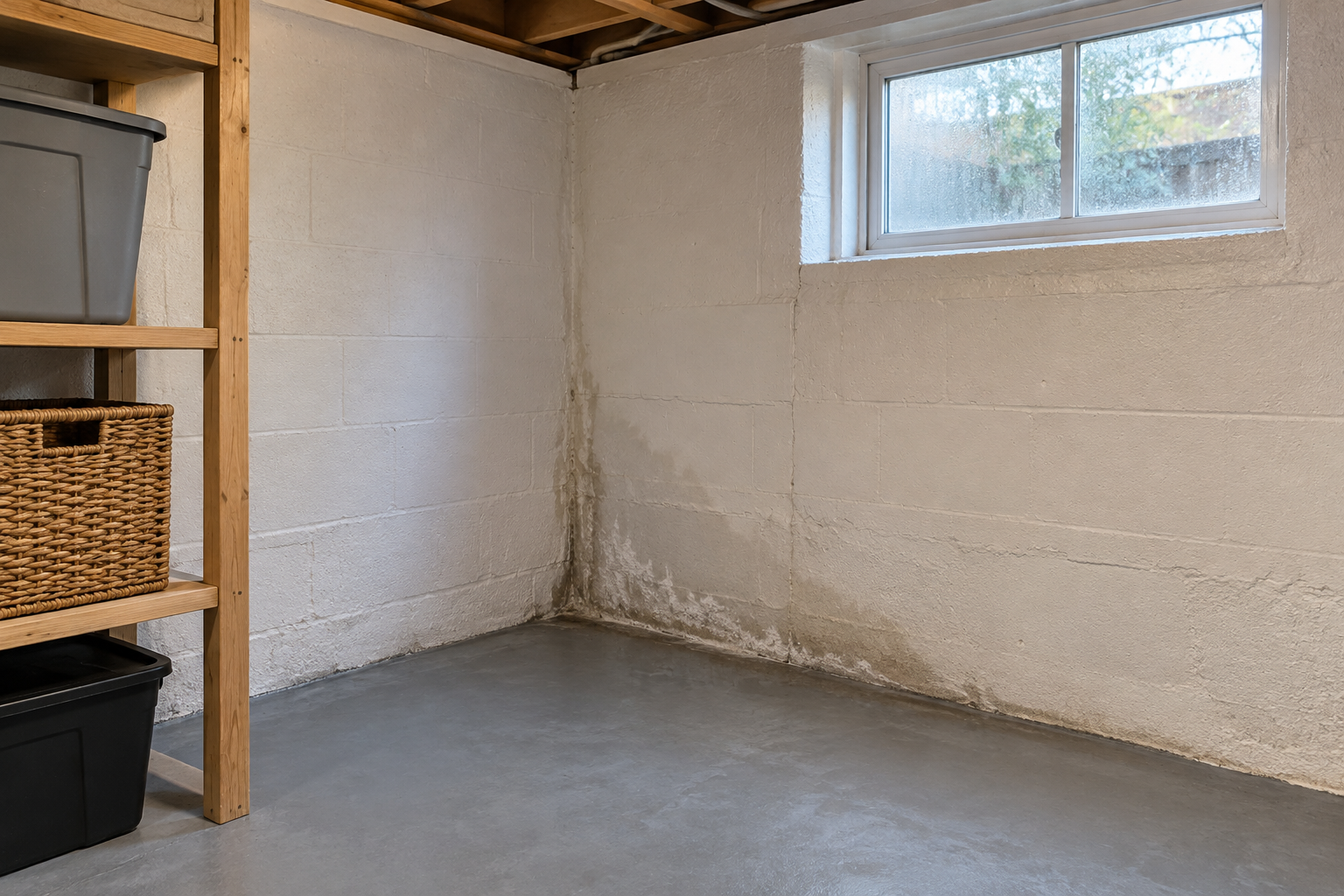
Finished basements usually experience different conditions than upper living spaces because cooler foundation walls surround them. Laundry rooms generate humidity whenever appliances operate. Crawl spaces may collect moisture entering through foundation vents or exposed soil. Even closets located along exterior walls can trap humid air if circulation is limited.
A portable humidity monitor can reveal differences throughout the home that are not immediately noticeable. Measurements taken over several days provide a clearer picture than a single reading because indoor conditions fluctuate with weather, occupancy, cooking, bathing, and air-conditioning cycles.
Understanding where humidity concentrates helps determine whether a dehumidifier is likely to improve conditions.
Choosing equipment that fits the space
Not every dehumidifier performs equally well in every environment.
Capacity matters because an undersized unit may run continuously without removing enough moisture, while equipment that greatly exceeds the needs of the space may cycle too frequently. Manufacturers generally provide recommendations based on square footage and expected moisture levels, although actual performance depends on ceiling height, room layout, insulation, and air movement.
Noise levels, drainage options, energy efficiency, and filter accessibility also deserve consideration before purchasing equipment. A unit operating in a finished living area presents different priorities than one located in a utility room or basement.
Reading product specifications carefully often prevents disappointment after installation.
Placement influences performance
Even a properly sized dehumidifier can struggle if it is positioned poorly.
Air must circulate freely around the equipment for moisture to be removed efficiently. Placing the unit tightly against walls or surrounding it with storage boxes restricts airflow and reduces effectiveness. Doors and windows should remain closed whenever practical so outdoor humidity does not continually replace the moisture being removed.
Drainage is another consideration.
Some homeowners empty the collection bucket manually, while others connect a drain hose that allows continuous operation. Either approach can work well when maintained properly.
Routine cleaning is equally important. Dust accumulation on filters or air intakes reduces airflow over time, limiting moisture removal and increasing wear on internal components.
Signs that humidity may be too high
Many moisture problems begin quietly.
The earliest clues are frequently subtle changes that homeowners overlook because they develop gradually over several weeks.
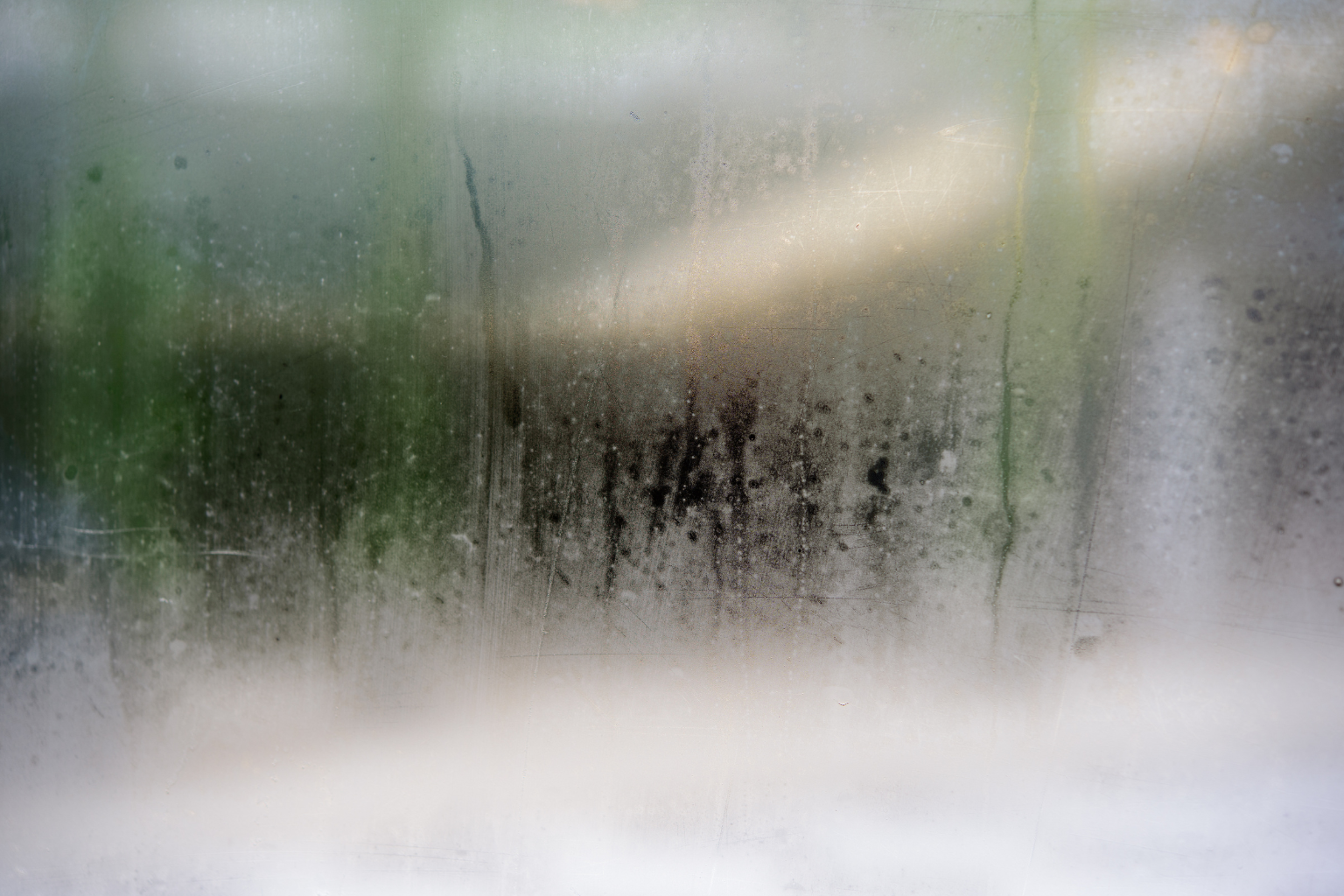
You might notice windows fogging more frequently during humid mornings. Closet doors may release a slightly musty odor after remaining closed for several days. Cardboard storage boxes sometimes feel damp to the touch. Books may develop wavy pages, while wooden doors become more difficult to close as materials absorb moisture.
These observations do not automatically indicate a serious problem, but they suggest that indoor humidity deserves closer evaluation.
Ignoring persistent humidity allows moisture to remain available where mold can eventually develop if other conditions are present.
A dehumidifier cannot solve every moisture problem.
Equipment designed to remove humidity performs an important role, yet it cannot correct the source of active water intrusion.
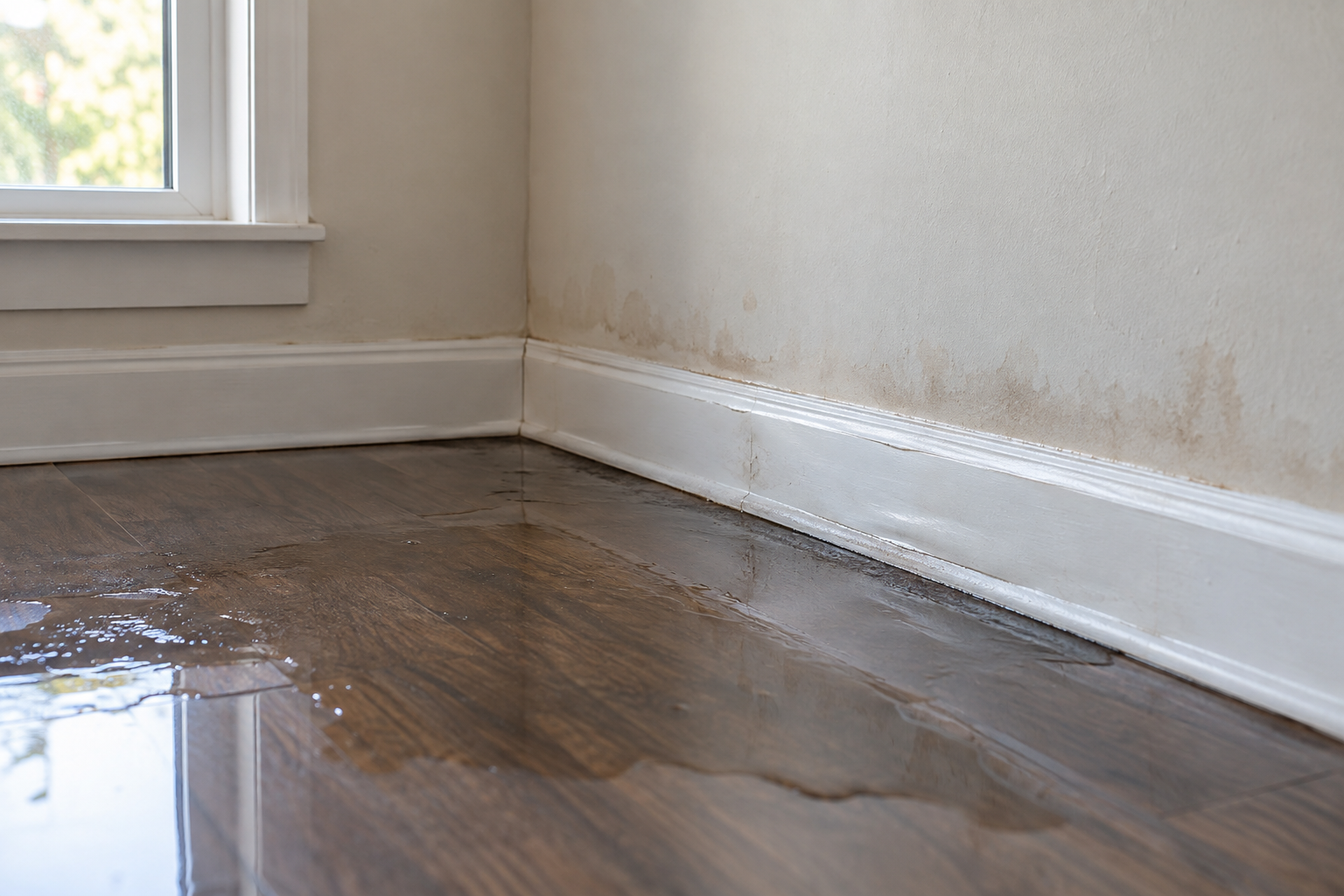
If groundwater enters a basement after rainfall, reducing humidity alone will not stop water from returning. Roof leaks, plumbing failures, damaged window seals, and foundation cracks each require repairs that address the source of moisture before indoor conditions can stabilize.
Similarly, a dehumidifier should not be viewed as a substitute for professional evaluation when visible mold growth has already developed, or building materials remain wet after flooding.
Removing moisture from the air supports the environment inside the home. Eliminating the cause of unwanted moisture protects the structure itself.
Understanding that distinction helps homeowners choose the appropriate next step.
Seasonal maintenance promotes long-term results.
Humidity management works best when combined with regular home maintenance.
Gutters should direct rainwater away from the foundation. Landscaping should encourage drainage away from exterior walls rather than allowing water to collect near the home. HVAC systems benefit from scheduled inspections that confirm proper operation during the hottest months of the year.
Small maintenance tasks completed before summer reaches its peak often reduce the workload placed on dehumidification equipment later in the season.
Property owners who routinely monitor indoor humidity are also more likely to recognize changes that suggest developing moisture issues.
Knowing when to seek additional evaluation
Some situations call for more than household equipment.
Persistent musty odors, repeated moisture problems, unexplained staining, or indoor humidity that remains unusually high despite proper dehumidifier operation may indicate hidden conditions that deserve professional assessment. Moisture concealed inside walls, beneath flooring, or within crawl spaces cannot always be identified through visual observation alone.
AdvantaClean provides moisture-related services through participating locations that evaluate conditions based on the individual property. Because every home responds differently to weather, construction methods, and previous water exposure, recommendations should always reflect the actual conditions found during an inspection.
Keeping indoor humidity under control helps maintain a healthier home environment and helps protect building materials throughout the summer months. Paying attention to changing conditions before they turn into significant problems often reduces the extent of future repairs.
To learn more about moisture management and available services, visit https://www.advantaclean.com/ and connect with a participating AdvantaClean location that serves your area.