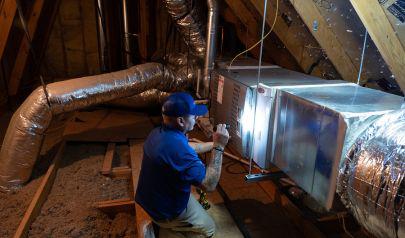
February is widely recognized as American Heart Month, but conversations about heart health often focus on diet and exercise while overlooking another important factor—indoor air quality. The air inside a home can influence overall wellness in ways many property owners do not immediately consider. Understanding how indoor environmental conditions connect to cardiovascular health highlights why maintaining healthy air is an essential part of a well-maintained home.
Indoor Air Quality, commonly referred to as IAQ, reflects the concentration of airborne contaminants, humidity levels, ventilation balance, and overall environmental stability within a structure. Because most people spend a significant portion of their time indoors, the quality of that air plays a meaningful role in long-term health and comfort.
How Indoor Air Quality Affects the Body
Airborne pollutants such as dust, mold spores, volatile organic compounds (VOCs), and fine particulate matter can circulate through homes undetected. When inhaled over time, these particles may contribute to respiratory irritation and increased stress on the body’s systems.
Poor indoor air quality can be influenced by:
- Excess indoor humidity
- Mold growth behind walls or beneath flooring
- Dust accumulation in HVAC systems
- Inadequate ventilation
- Combustion byproducts from appliances
While the body has natural defense mechanisms, prolonged exposure to elevated indoor pollutants can increase overall physiological strain. Maintaining stable humidity and reducing airborne contaminants helps create a more balanced indoor environment.
The Role of Moisture and Mold in IAQ
Moisture is one of the most significant contributors to compromised indoor air quality. When excess humidity or water intrusion occurs, it creates conditions that allow mold to grow on organic building materials such as wood framing, drywall, and insulation.
Even when mold growth is not visible, microscopic spores can become airborne and circulate through HVAC systems. Over time, elevated spore levels can affect indoor environmental quality and comfort.
Controlling moisture through proper ventilation, humidity management, and timely water damage mitigation reduces the risk of hidden microbial growth that can negatively impact IAQ.
Ventilation and Air Circulation Matter
Homes built or renovated for energy efficiency are often sealed tightly to reduce heating and cooling costs. While this improves efficiency, it can also reduce natural air exchange. Without adequate ventilation, airborne contaminants may accumulate indoors.
Balanced ventilation systems, properly maintained HVAC units, and clean air ducts support healthier air circulation. Regular inspection of mechanical systems ensures they function as intended and do not contribute to pollutant buildup.
Supporting a Healthier Indoor Environment
Improving indoor air quality does not require drastic measures. Practical steps include:
- Maintaining indoor humidity between 30% and 50%
- Addressing water leaks promptly
- Inspecting attics and crawlspaces for condensation
- Ensuring proper ventilation in kitchens and bathrooms
- Scheduling professional assessments when moisture concerns arise
Professional indoor air quality evaluations use moisture detection tools, humidity monitoring, and visual inspections to identify areas of concern before they escalate.

At AdvantaClean, the focus is on identifying moisture sources, controlling humidity, and addressing environmental conditions that may contribute to compromised air quality. By managing these factors, property owners can help support a cleaner and more stable indoor environment year-round.