Educational facilities face unique operational challenges. Daily movement of students, staff, and visitors through various spaces places significant strain on HVAC systems and introduces moisture, dust, and outdoor contaminants.
Indoor air quality (IAQ) is a direct result of ongoing facility management. Effective IAQ management reduces liability, unexpected costs, and public scrutiny for school administrators and stakeholders. Preventive planning, regular inspections, and prompt responses to water intrusion help maintain healthy learning environments and minimize disruptions.
Facility teams should begin mold prevention well before visible signs or odors appear.
Occupancy Patterns and Humidity Challenges
School buildings experience fluctuating occupancy due to summer programs, athletic events, workdays, and holiday breaks, which create varying demands on building systems.
-
Unoccupied Periods: During breaks, HVAC schedules are often adjusted to conserve energy. While this reduces operating costs, relative humidity levels must still be monitored. Warm, humid air paired with limited ventilation allows moisture to accumulate in unmonitored areas.
-
Occupied Periods: Activities such as food preparation, science labs, and physical education, along with body heat and door traffic, continually alter indoor conditions.
Facility teams and risk managers should recognize that seasonal changes affect moisture control and avoid assuming consistent building performance throughout the year.
Addressing Minor Maintenance Before Major Exposure
Although major storms can cause sudden water damage, many severe mold problems result from minor, unnoticed issues:
-
Slow plumbing leaks above suspended ceilings
-
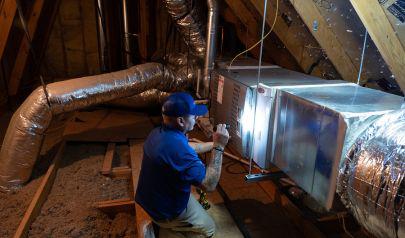
Condensation forming around HVAC components and wetting insulation
-
Gradually deteriorating roof flashing allowing small water intrusions during heavy rains
Small daily water leaks may seem minor, but repeated exposure degrades building materials over time. Early documentation is essential for insurance, as carriers distinguish between sudden events and long-term conditions.
Routine inspections of mechanical rooms, storage areas, roof penetrations, crawl spaces, and utility chases help identify issues early, preventing costly restoration and larger insurance claims.
Beyond HVAC: Holistic Building Management
HVAC systems are essential for IAQ, but equipment alone cannot address all facility challenges:
-
Air Distribution: Neglected filter replacement schedules or blocked return air pathways diminish ventilation efficiency.
-
Building Envelope: Water intruding through the building shell impacts indoor conditions regardless of normal HVAC operation.
-
Cleaning Practices: Accumulated dust, unaddressed water-damaged materials, and improperly stored supplies negatively impact the environment over time.
Districts that treat facilities as integrated systems can identify problems early, preventing disruptions to instructional spaces and public complaints.
Prompt Reporting and Document Trail
School staff is often the first to notice early warning signs:
-
Teachers detect unusual classroom odors.
-
Custodial staff observes minor leaks during routine cleaning.
-
Coaches spot condensation issues in athletic facilities.
A clear reporting process encourages prompt action on minor concerns. Maintaining detailed inspection records provides stakeholders with the context needed to determine whether an issue is isolated or recurring.
Navigating Restoration Around Academic Calendars
School restoration projects must be scheduled around academic calendars, security protocols, noise restrictions, and access limitations.
Every project needs tailored evaluation based on:
-
Building age and affected materials
-
Accessibility and moisture source
-
Current occupancy and ongoing instructional needs
Flexibility is essential when repairs coincide with instruction, requiring administrators to balance costs and project timelines.
Value of Professional Assessments
Visible mold is only one sign of a potential environmental issue. Professional assessments focus on identifying moisture sources, since mold requires water to grow. Tools such as moisture mapping, building inspections, and environmental evaluations help determine where further investigation is needed.
These assessments help administrators prioritize repairs based on verified conditions. They also provide insurance carriers and officials with objective documentation for coverage evaluations, budget requests, or compliance reviews.
Participating locations offer services to help districts and property owners manage IAQ, moisture, and restoration needs. Recommendations should always be tailored to each facility’s specific conditions.
Long-Term Environmental Maintenance
Indoor air quality requires continuous attention as weather changes, occupancy shifts, and mechanical systems age. Districts that monitor moisture, address water intrusion immediately, service HVAC systems, and document maintenance place themselves in a stronger legal, financial, and operational position.

Administrators, risk managers, board members, and local officials interested in learning more about commercial indoor air quality and moisture management can visit AdvantaClean to explore resources and connect with a participating location for facility-specific needs.