Seasonal transitions change how water behaves around residential homes. During winter, frozen soil limits how moisture moves through the ground surrounding a foundation. When temperatures begin rising, that frozen barrier disappears and water from melting snow begins moving back into the soil. This shift from frozen ground to saturated soil can influence how moisture behaves around basements and foundations.
During winter months, snow accumulation and surface ice may sit on top of frozen ground without fully absorbing into the soil. Once thawing begins, that stored moisture moves downward all at once. Soil that was previously frozen begins absorbing meltwater and rainfall at the same time, which can quickly increase saturation levels around the home’s foundation.
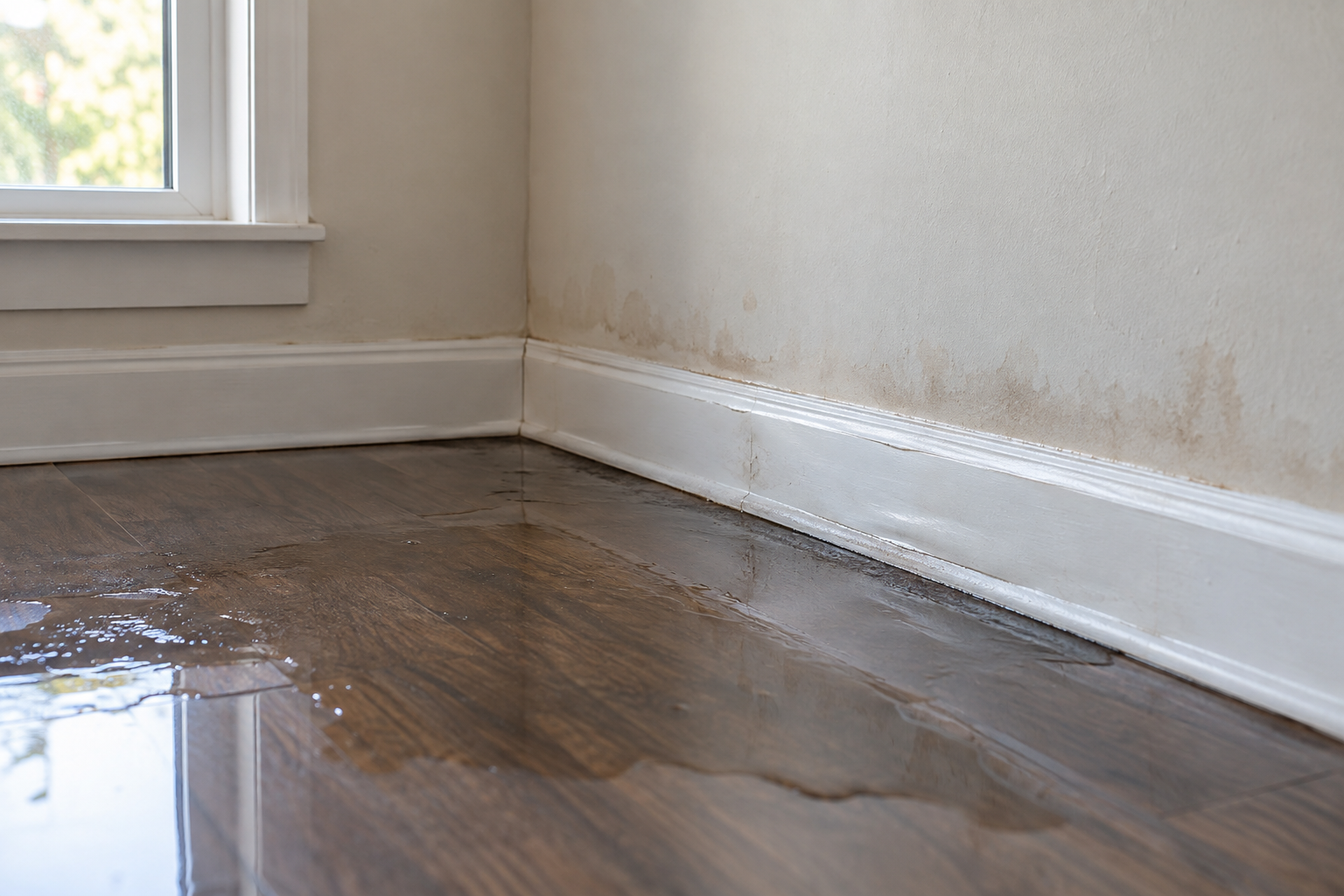
Basements and crawlspaces are often the first areas where these seasonal changes become noticeable. As surrounding soil becomes saturated, moisture conditions along foundation walls may begin shifting as well. In many homes, early spring is when homeowners begin noticing damp conditions, musty odors, or changes in basement humidity.
How Spring Thaw Conditions Influence Foundation Moisture
Frozen ground temporarily restricts water movement during the winter season. When temperatures rise and the soil thaws, the ground begins absorbing moisture again. Meltwater from snowpack and early spring rainfall may enter the soil faster than normal drainage systems can redirect it away from the home.
As soil surrounding the foundation becomes saturated, pressure begins building against basement walls and floor slabs. Concrete and masonry materials naturally allow small amounts of moisture to pass through their surfaces, particularly when soil moisture levels remain elevated for extended periods.
Several factors around a property can influence how strongly spring thaw conditions affect basement moisture levels:
Snow accumulation levels
Areas that experienced heavier snowfall may release larger volumes of meltwater as temperatures rise.
Soil composition around the property
Clay-heavy soil tends to retain water longer than sandy soil, which can increase moisture levels near the foundation.
Surface grading around the house
Ground that slopes toward the home allows meltwater to move directly toward basement walls.
Foundation condition
Small cracks or joints in older foundations may allow moisture to move through concrete when surrounding soil becomes saturated.
Moisture Conditions During the Spring Thaw
Seasonal thaw periods change how water moves through the soil surrounding a home. As frozen ground softens, meltwater begins traveling through the soil again and can accumulate near basement walls and foundations. Managing how that water moves away from the structure helps stabilize moisture conditions inside the home.
Key areas homeowners may want to evaluate during the spring thaw include:
Roof drainage performance
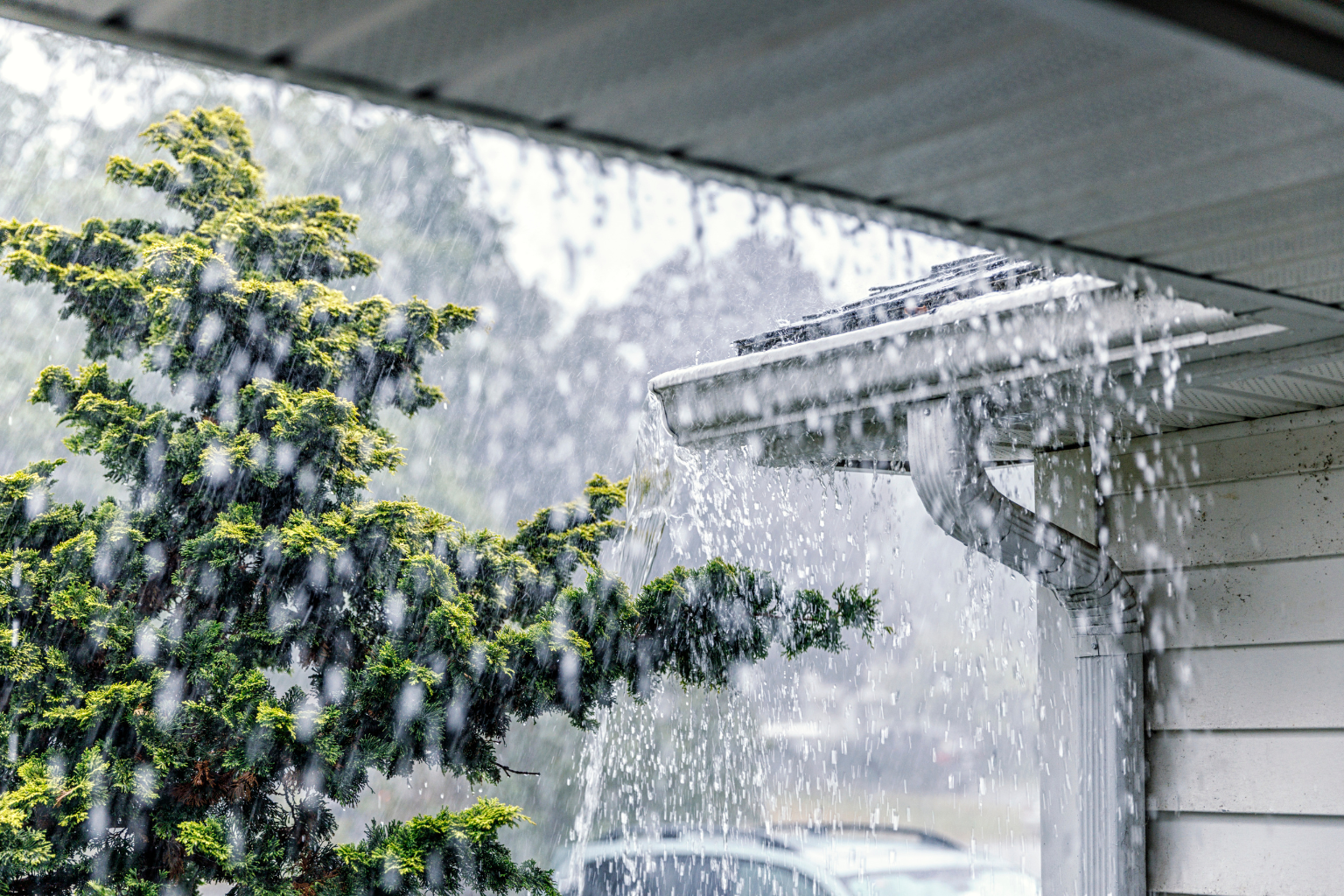
Gutters and downspouts should remain clear so melting snow and rainfall move away from the house instead of collecting near the foundation.
Grading around the home
Soil should slope away from exterior walls so thawing snow and early spring rain drain outward rather than pooling near the structure.
Foundation surface conditions
Basement walls and floor joints should be checked for cracks or openings where moisture could begin migrating inside.
Humidity levels in basement spaces
As surrounding soil releases moisture during the thaw cycle, basements may experience higher humidity levels that require moisture control.
Exterior drainage around landscaping
Standing water near walkways, patios, or planting beds can increase soil saturation along the foundation if drainage paths are blocked.

Seasonal thaw conditions influence several areas of a property at once. Soil moisture, drainage performance, and indoor humidity all play a role in how water behaves around basement spaces. When moisture issues begin appearing indoors, restoration and moisture control professionals such as AdvantaClean help identify the source of the problem and recommend practical solutions to stabilize conditions inside the home.