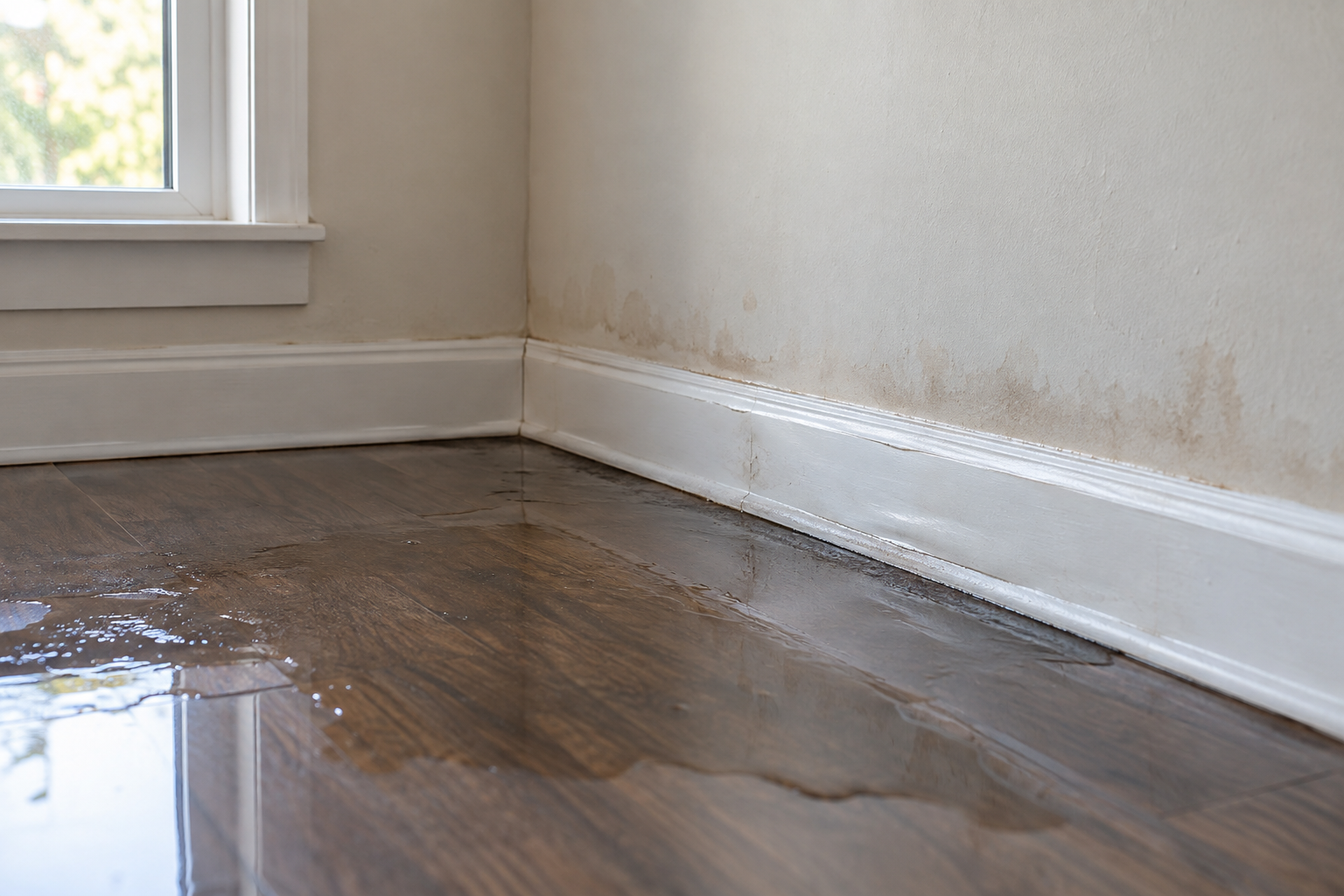
Mold growth is often associated with warm, humid weather, but winter conditions can create an equally favorable environment for hidden microbial development. During cold weather months, homes are sealed tightly to conserve heat. Reduced ventilation, fluctuating interior humidity levels, and temperature differentials between living spaces and structural cavities allow moisture to accumulate in places that are rarely visible.
Understanding the science behind hidden mold growth in winter helps property owners recognize why professional inspection becomes especially important during colder seasons.
Why Cold Weather Increases Hidden Moisture
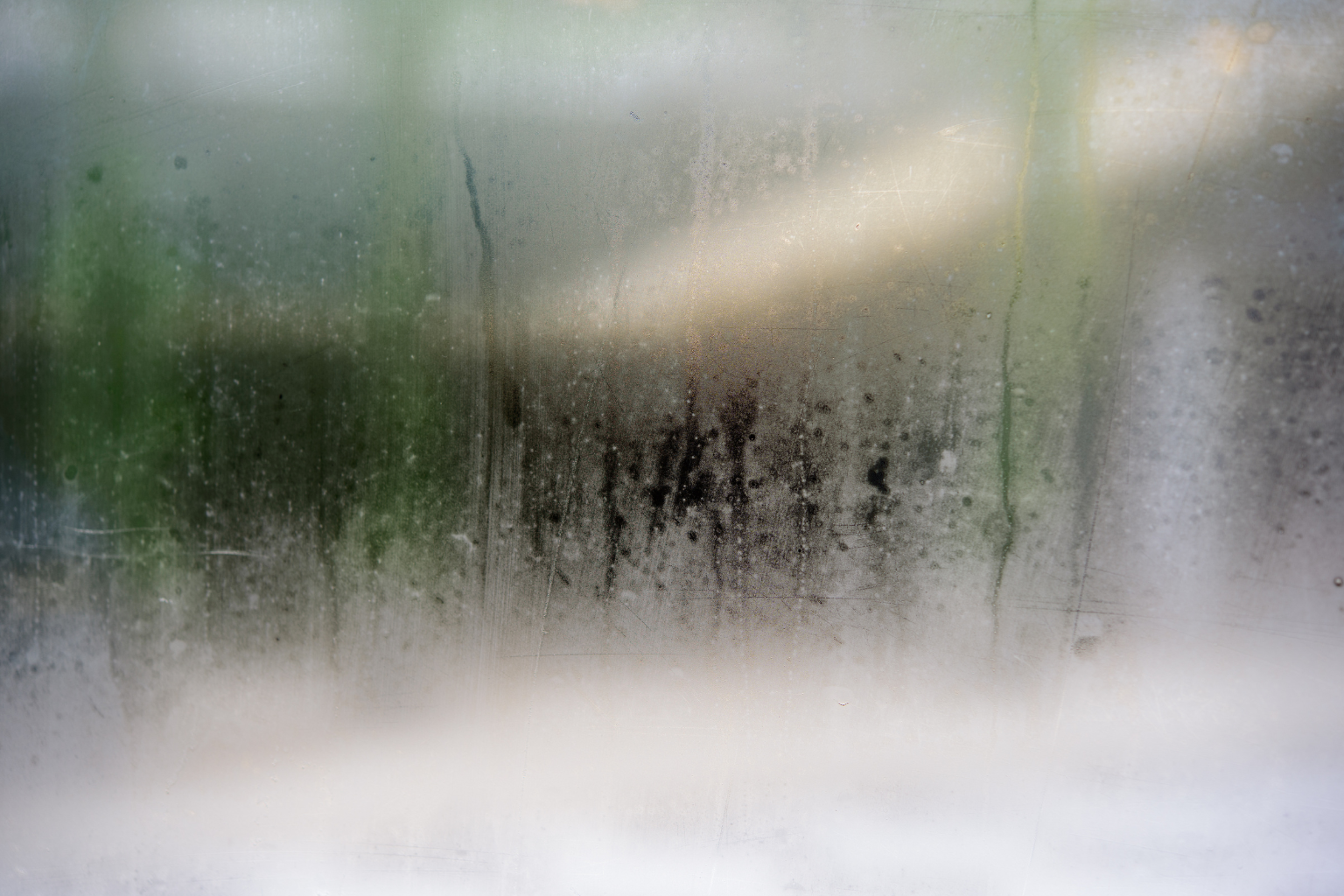
In winter, warm indoor air naturally rises. When that air meets colder surfaces inside walls, attics, or crawlspaces, condensation can form. This process occurs because warm air holds more moisture than cold air. When temperatures drop within structural cavities, that moisture condenses on wood framing, insulation, and drywall backing.
Common winter moisture contributors include:
- Condensation in poorly ventilated attics
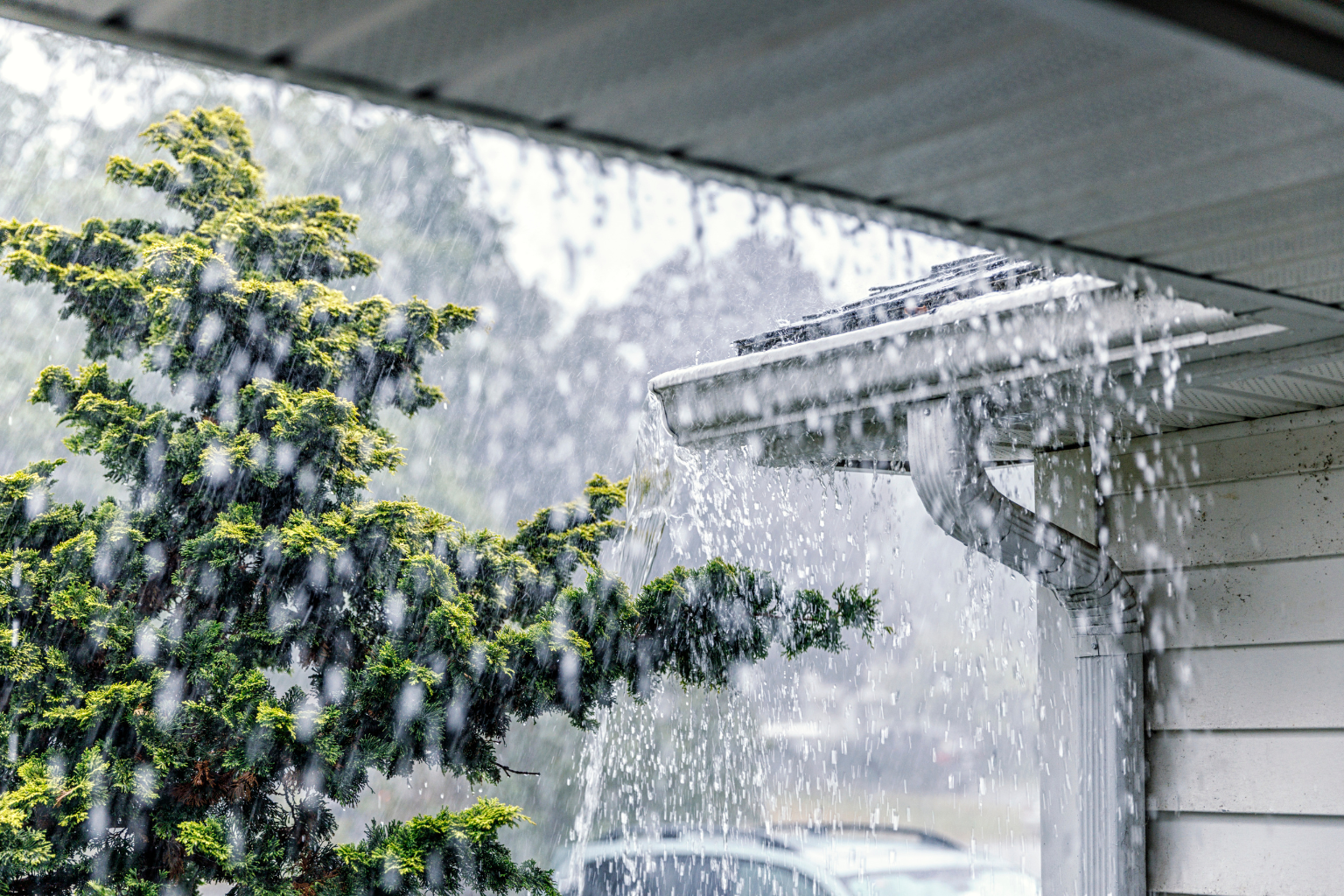
- Ice dam–related roof leaks
- Frozen and burst pipes
- Humidifiers increasing indoor humidity
- Bathroom and kitchen exhaust fans that vent improperly
Because these moisture sources often develop gradually, the resulting dampness may remain undetected for weeks.
How Mold Grows in Cold Conditions
Mold does not require warmth to survive; it requires moisture and organic material. Even in colder months, interior structural materials such as wood framing, drywall paper, and insulation provide an ideal food source.
Once moisture remains present for 24–48 hours, microbial growth can begin. In sealed winter environments, damp areas may not dry naturally due to limited airflow. This creates pockets of hidden moisture behind walls or beneath insulation where mold colonies can expand unnoticed.
By the time visible signs appear—such as staining, odor, or surface spotting—growth may already be well established within concealed areas.
The Role of Temperature Differentials
One of the primary scientific factors behind winter mold growth is temperature differential. When indoor temperatures remain significantly warmer than exterior temperatures, condensation risk increases within structural assemblies.
For example:
- Warm attic air meeting cold roof decking
- Heated interior walls touching uninsulated exterior framing
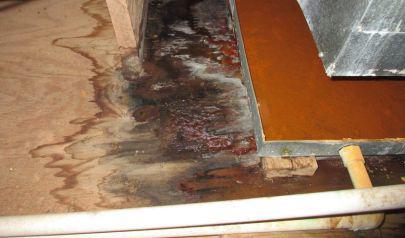
- Crawlspaces with poor vapor barriers
These temperature gradients create repeated condensation cycles that sustain moisture long enough to support mold development.
Professional Methods for Detecting Hidden Mold
Because winter mold often develops behind surfaces, professional detection relies on specialized inspection tools rather than visual confirmation alone.
AdvantaClean technicians may use:
- Non-invasive moisture meters to detect elevated moisture behind walls
- Hygrometers to measure ambient humidity levels
- Thermal imaging cameras to identify temperature anomalies linked to moisture
- Air quality sampling to detect elevated mold spore counts
Moisture mapping allows professionals to chart affected areas and determine whether structural drying or remediation is necessary. Without proper diagnostic tools, hidden moisture can remain trapped and continue to support microbial growth.
Why Early Detection Matters
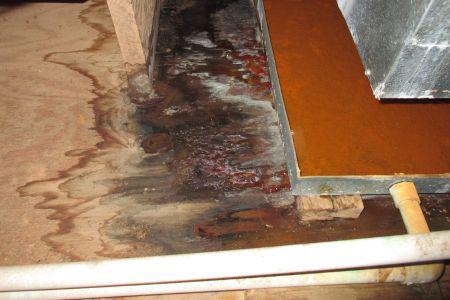
Hidden mold can affect more than structural materials. Prolonged moisture and microbial presence may contribute to indoor air quality concerns and long-term property damage. Early detection allows for controlled remediation before widespread contamination develops.
Addressing winter moisture conditions also prevents recurring mold problems when spring temperature shifts introduce additional humidity.
By understanding the environmental science behind cold-weather condensation, property owners can take proactive steps to reduce risk—improving ventilation, balancing humidity, and addressing insulation deficiencies before moisture accumulates. When professional evaluation is needed, AdvantaClean provides targeted moisture assessments and remediation strategies designed to correct the source of the issue, not just the visible symptoms.