When severe weather clears, visible property damage is usually the first thing homeowners notice. Wind-driven rain and localized flooding often leave moisture trapped inside walls, beneath flooring, or above ceiling panels.
Even if your home feels dry during a quick walkthrough, trapped dampness in building materials can fuel mold growth within 24 to 48 hours. A systematic post-storm inspection helps you catch hidden water intrusion early before it causes costly structural damage or health hazards.
1. Start on the Exterior
Before stepping inside, inspect the exterior of your property. Outdoor damage often points directly to where water breached your home’s envelope.
Once conditions are safe, walk the perimeter and check:
-
Roofing & Flashings: Look for missing shingles, damaged valley flashings, or compromised roof penetrations.
-
Drainage Systems: Check for bent gutters, detached downspouts, or standing water near the foundation.
-
Siding & Sealants: Inspect siding for cracks, loose panels, or compromised caulking around window frames and exterior doors.
-
Structural Impacts: Note fallen tree branches or debris that may have struck exterior walls.
Pro Tip: Document all exterior damage with clear photos before moving debris or scheduling repairs. These photos establish an accurate timeline for your insurance adjuster.
2. Understand Where Moisture Hides Indoors
Visible water is only part of the story. Modern building assemblies have enclosed spaces where trapped moisture slowly degrades materials out of sight:
-
Wall Cavities: Wall insulation acts like a sponge, retaining moisture behind intact drywall without showing immediate wet spots.
-
Subflooring: Carpeting and laminate flooring may feel dry on top while holding substantial amounts of water underneath in the padding or subfloor.
-
Attics and Crawlspaces: Roof leaks often travel along rafters before pooling above ceiling drywall several rooms away from the initial entry point.
Professional restoration teams use non-invasive tools like thermal imaging cameras and moisture meters to map water migration through hidden areas without demolition.
3. Recognize Early Signs of Mold and Water Damage
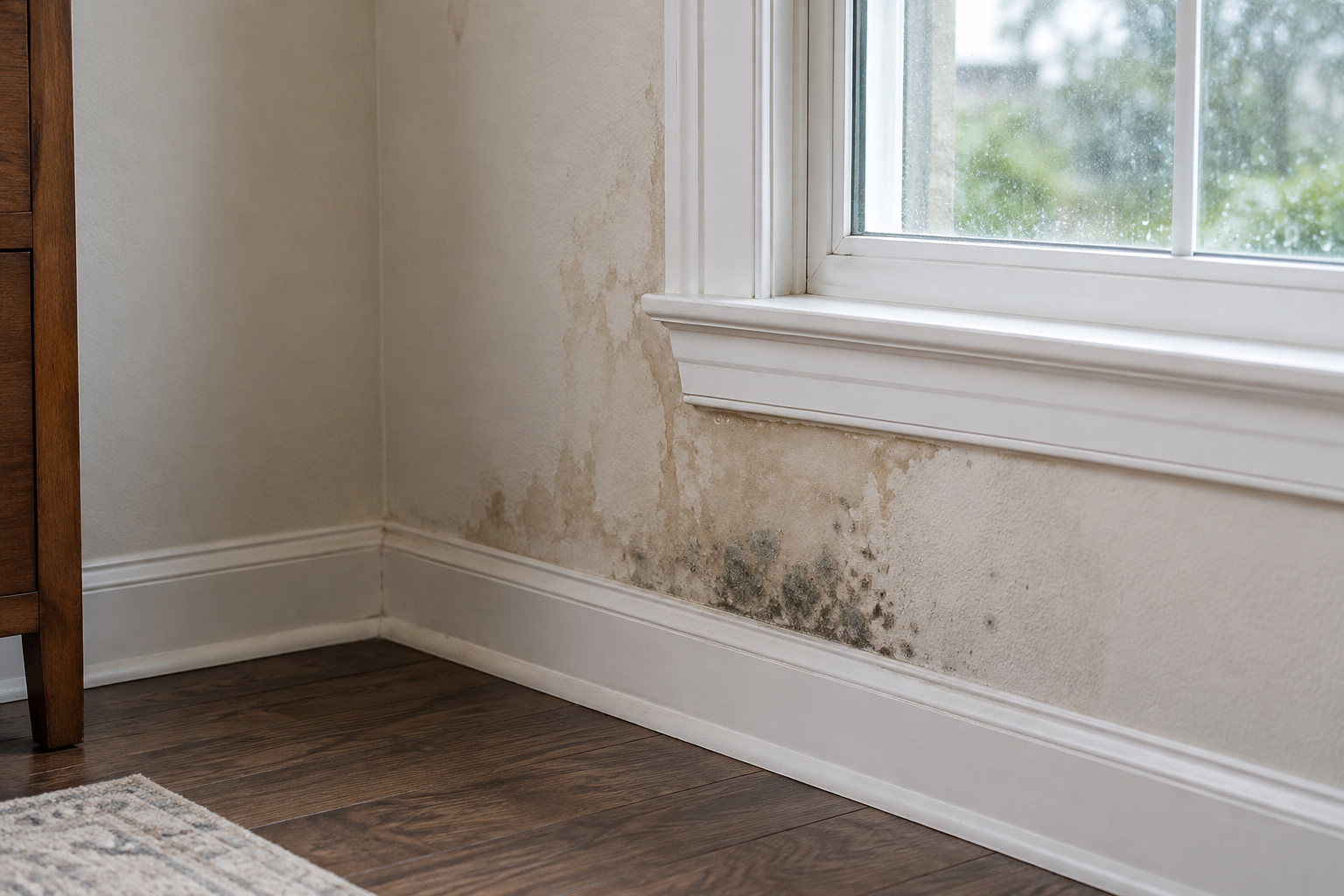
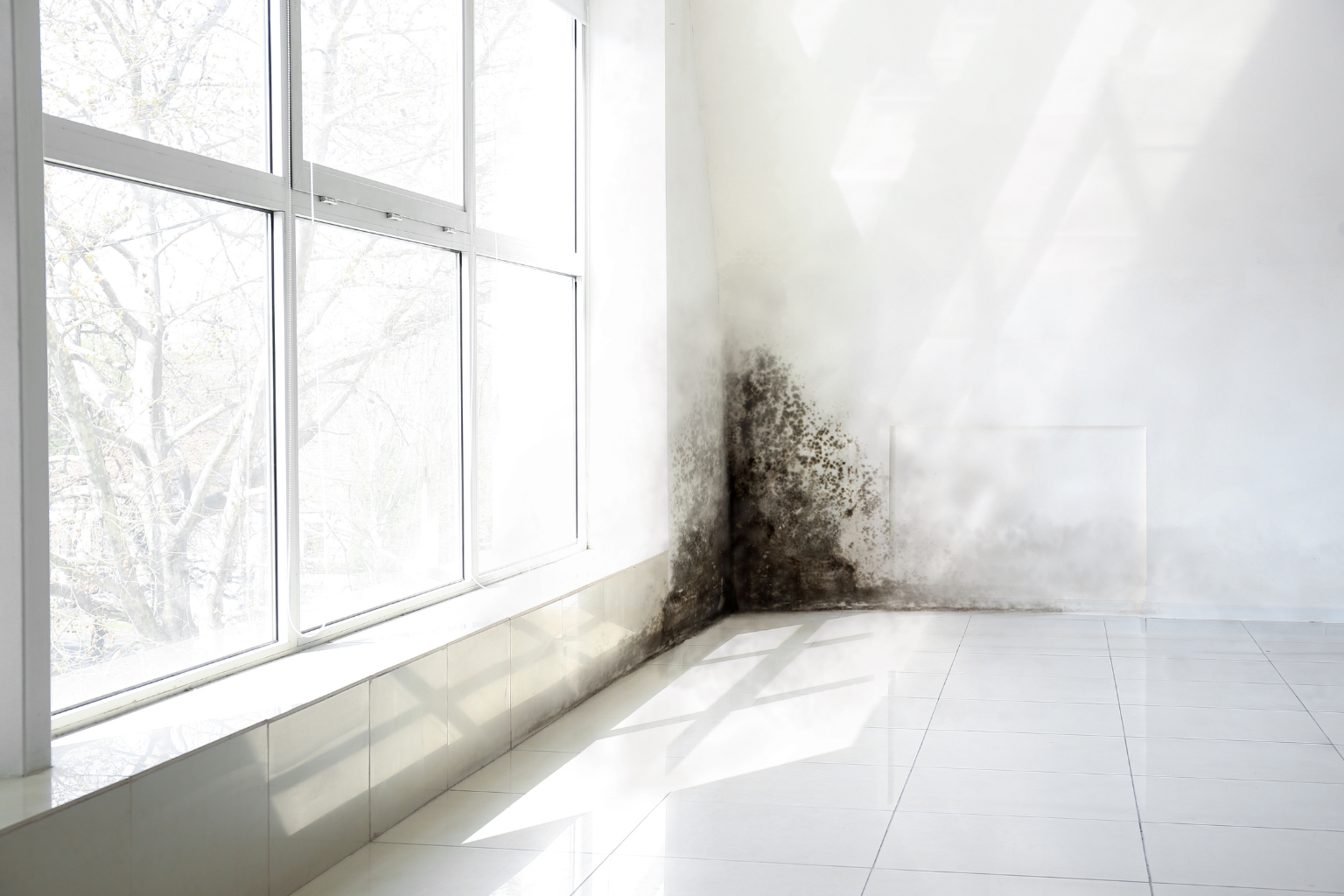
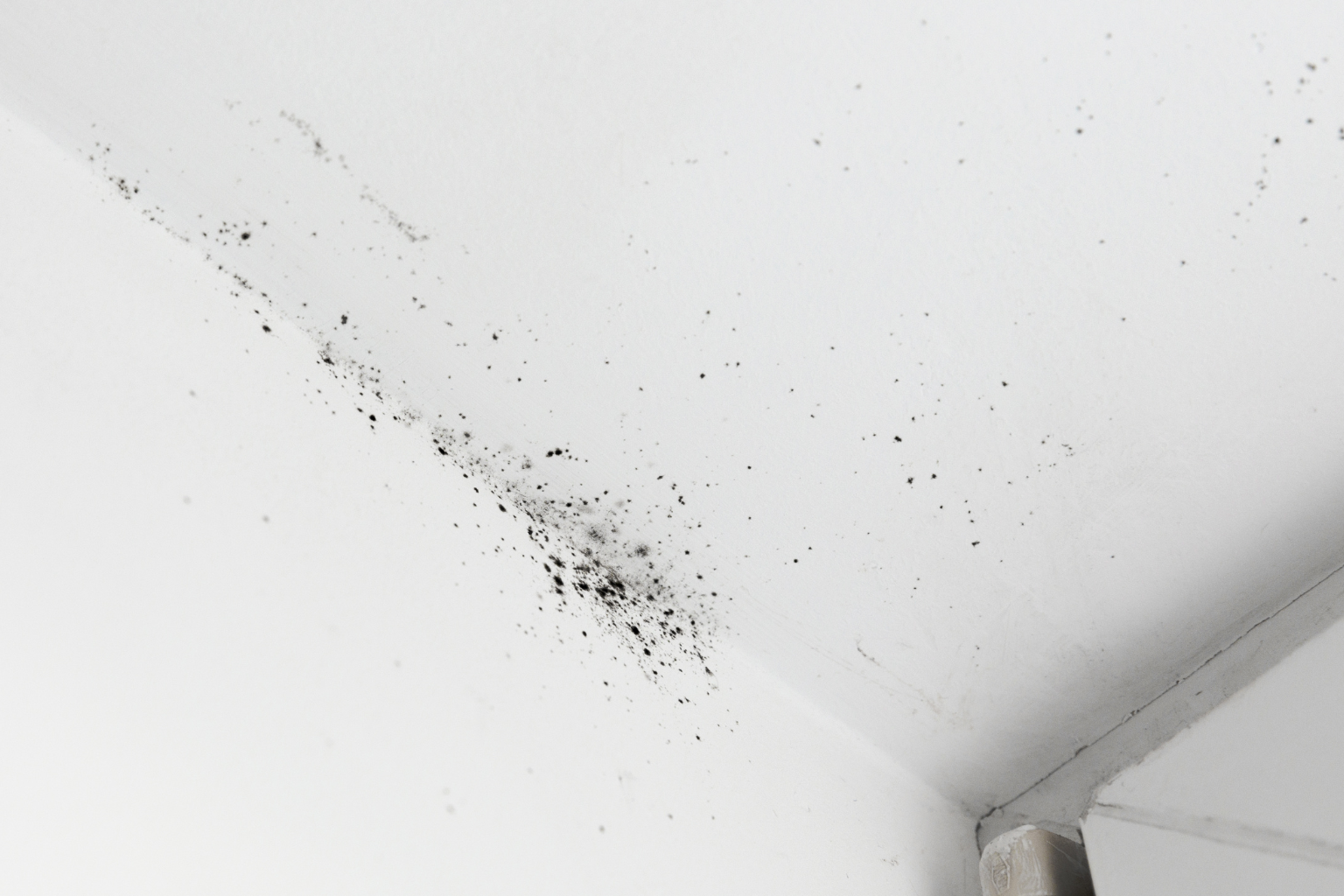
Mold does not always appear as obvious dark spots. Early warnings often appear as subtle physical changes or distinct odors:
1. Musty Odors:
An unexplained earthy or damp smell in a specific room often indicates active fungal growth behind walls or under carpet padding.
2. Material Distortion:
Look for bubbling paint, peeling wallpaper, swollen door trim, sagging ceiling tiles, or cupping hardwood floors.
3. Persistent Staining:
Yellowish or brownish rings on ceilings and drywalls point to active or recent moisture intrusion that requires immediate investigation.
4. Maintain Continuous Documentation
Documenting storm damage isn’t a one-time event. It should continue throughout the cleanup process.
-
Log the Progression: Take photos as water damage dries or expands over several days.
-
Keep Damaged Materials: Do not throw away contaminated building materials, carpet samples, or damaged personal property until your insurance representative inspects them or confirms documentation is complete.
-
Save Receipts and Notes: Keep digital copies or physical receipts for emergency tarps, water-extraction equipment, and temporary living expenses in a single file.
5. Monitor Your Home After Repairs Are Complete
Replacing damaged drywall or installing new flooring restores your home’s appearance. Ongoing vigilance is essential:
-
Conduct Monthly Checks: Inspect previously repaired areas during the first few months post-restoration for recurring stains or warping.
-
Monitor Indoor Humidity: Keep indoor humidity levels below 50% using air conditioners or dehumidifiers to discourage mold spore proliferation.
-
Maintain Exterior Defenses: Keep gutters clear and ensure ground grading slopes away from your foundation to prevent future water intrusion.
Protect Your Home with Professional Moisture Detection
Some water events are straightforward, but severe storms often drive water into complex structural assemblies. When water remains unaddressed in walls or beneath subfloors, professional moisture mapping is the safest way to ensure your home is completely dry and mold-free.
AdvantaClean provides comprehensive moisture testing, mold inspections, and professional water damage restoration services tailored to your property’s specific needs.
Concerned about hidden moisture or mold growth after a recent storm? Visit AdvantaClean to schedule a professional property assessment with a local specialist.