Every Home Collects Moisture Differently
On a hot summer afternoon, many homes may appear nearly identical from the outside.
However, each home manages indoor conditions differently.
Some homes remain cool and dry, while others experience excess humidity even with air conditioning. One may have condensation on windows, while a neighboring home faces dampness in the basement or musty odors in a guest room.
The difference is not just the weather; it is how each home manages moisture.
At AdvantaClean, we have found that understanding a home's moisture patterns is often overlooked in mold prevention. Mold is rarely the initial issue; it typically results from moisture that has accumulated in the same areas over weeks or months.
The Air Inside Your Home Is Always Moving
Humidity doesn't stay in one room.
As warm air circulates, it carries moisture. Activities such as showering, doing laundry, cooking, and opening exterior doors all add water vapor to the indoor environment.
Most homeowners do not notice these gradual changes.
When humidity stays high over time, moisture settles in areas with limited air movement. These locations are often the first to develop mold.
Some Rooms Naturally Hold More Moisture Than Others
Bathrooms and laundry rooms are expected to experience higher humidity. However, less-used spaces often surprise homeowners.
Guest bedrooms left closed, closets with clothing, storage rooms, finished basements, utility rooms, and areas behind large furniture can all trap humidity due to limited air circulation.
These aren't neglected rooms.
They're simply rooms where moisture has more time to settle.
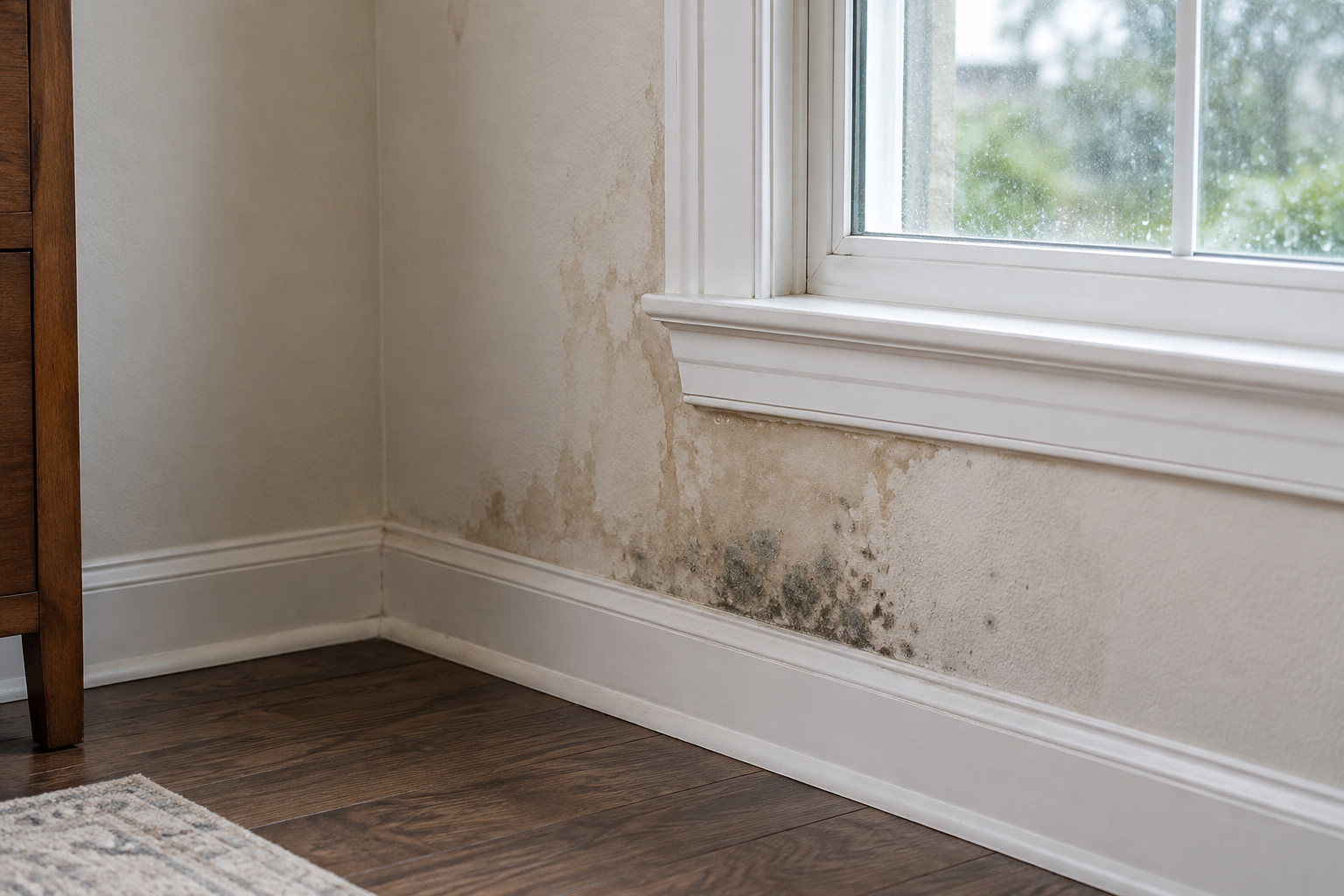
Over time, these small environmental differences can create favorable conditions for mold growth, even without a visible leak.
Air Conditioning Helps—But It Isn't the Whole Solution
Many people assume that a cool home also means humidity is under control.
That’s not always the case.
Air conditioners remove moisture while cooling, but several factors affect their effectiveness. Dirty filters, restricted airflow, blocked condensate drains, aging ductwork, or oversized HVAC systems can all reduce moisture removal, even if the home feels comfortable.
This is why some homes experience persistent humidity despite continuous air conditioning use during summer.
Maintaining HVAC equipment is important, as is understanding how airflow, ventilation, and humidity interact throughout the home.
Small Changes Often Reveal Bigger Moisture Concerns
Homes rarely develop mold without early warning signs.
A musty odor inside a closet.
Condensation that repeatedly forms on windows.
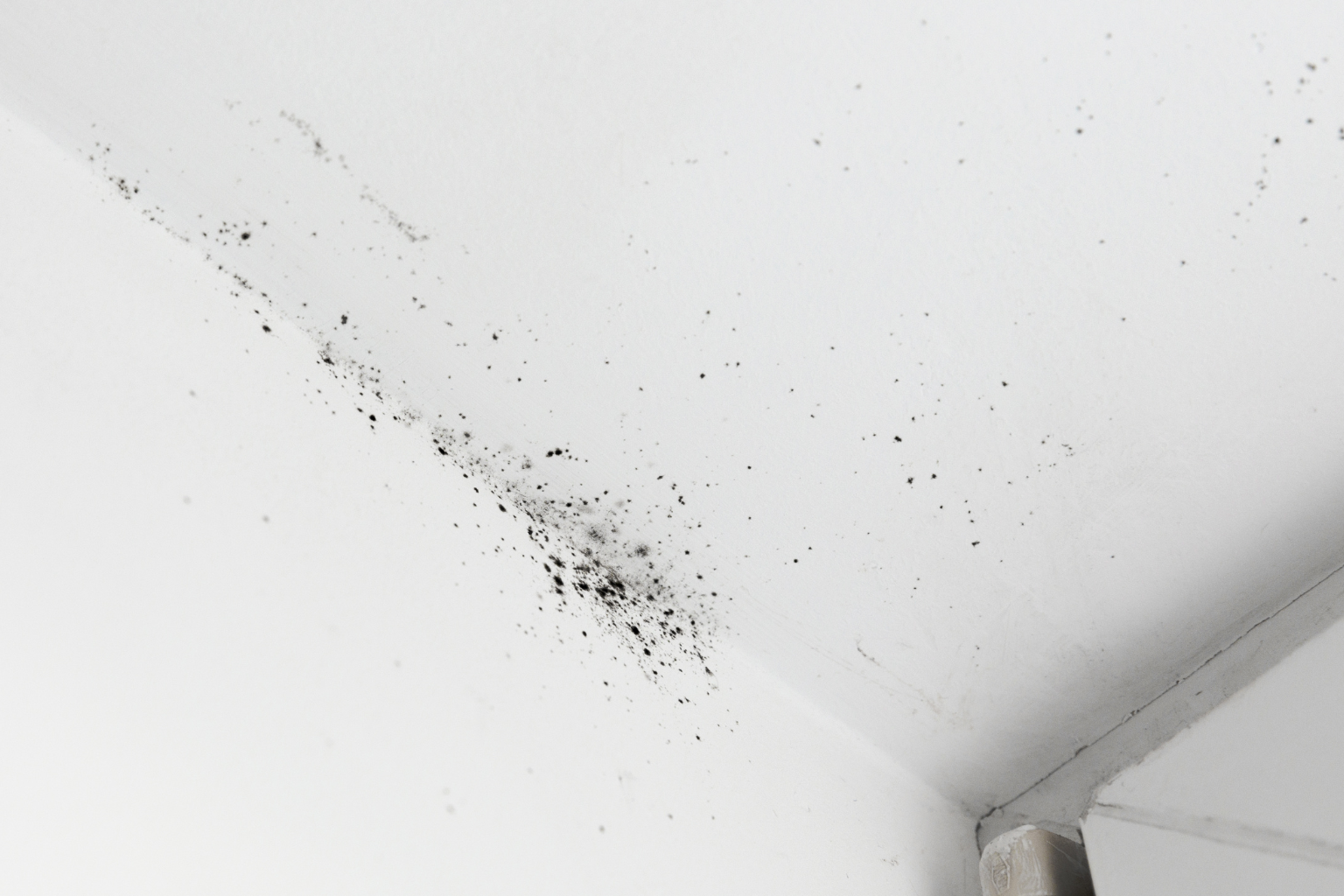
Paint that begins peeling near a ceiling.
An area of carpet that always feels slightly damp.
These signs may seem unrelated, but they often indicate a common issue: excess moisture.
Addressing those warning indications early gives homeowners an opportunity to correct the underlying conditions before mold can spread.
Moisture Control Is One of the Best Forms of Mold Prevention
The goal isn't to eliminate mold spores completely—they naturally exist indoors and outdoors.
The real objective is to make your home less conducive to mold growth.
Simple maintenance can have a significant impact:
-
Keep indoor humidity between 30% and 50% whenever possible.
-
Replace HVAC filters regularly.
-
Use exhaust fans while cooking and showering.
-
Improve airflow in closets, storage rooms, and finished basements.
-
Address plumbing leaks as soon as they're discovered.
-
Inspect crawl spaces, attics, and utility rooms periodically for signs of excess moisture.
When these small habits become routine, they're often enough to interrupt the conditions mold depends on.
Healthy Indoor Environments Begin Long Before Mold Appears
Summer creates ideal conditions for moisture, but mold isn't inevitable.
Homes that manage humidity, maintain proper ventilation, and address moisture concerns early are far less likely to experience mold growth than those where warning signs are ignored.

At AdvantaClean, mold prevention is about more than treating visible growth. It's about helping homeowners understand how their homes function every day. By noticing how humidity, airflow, and moisture interact throughout the structure, homeowners can take informed steps that support cleaner indoor air quality and help protect their homes long before mold becomes part of the conversation.