Partner with AdvantaClean to Prevent Commercial Mold Damage
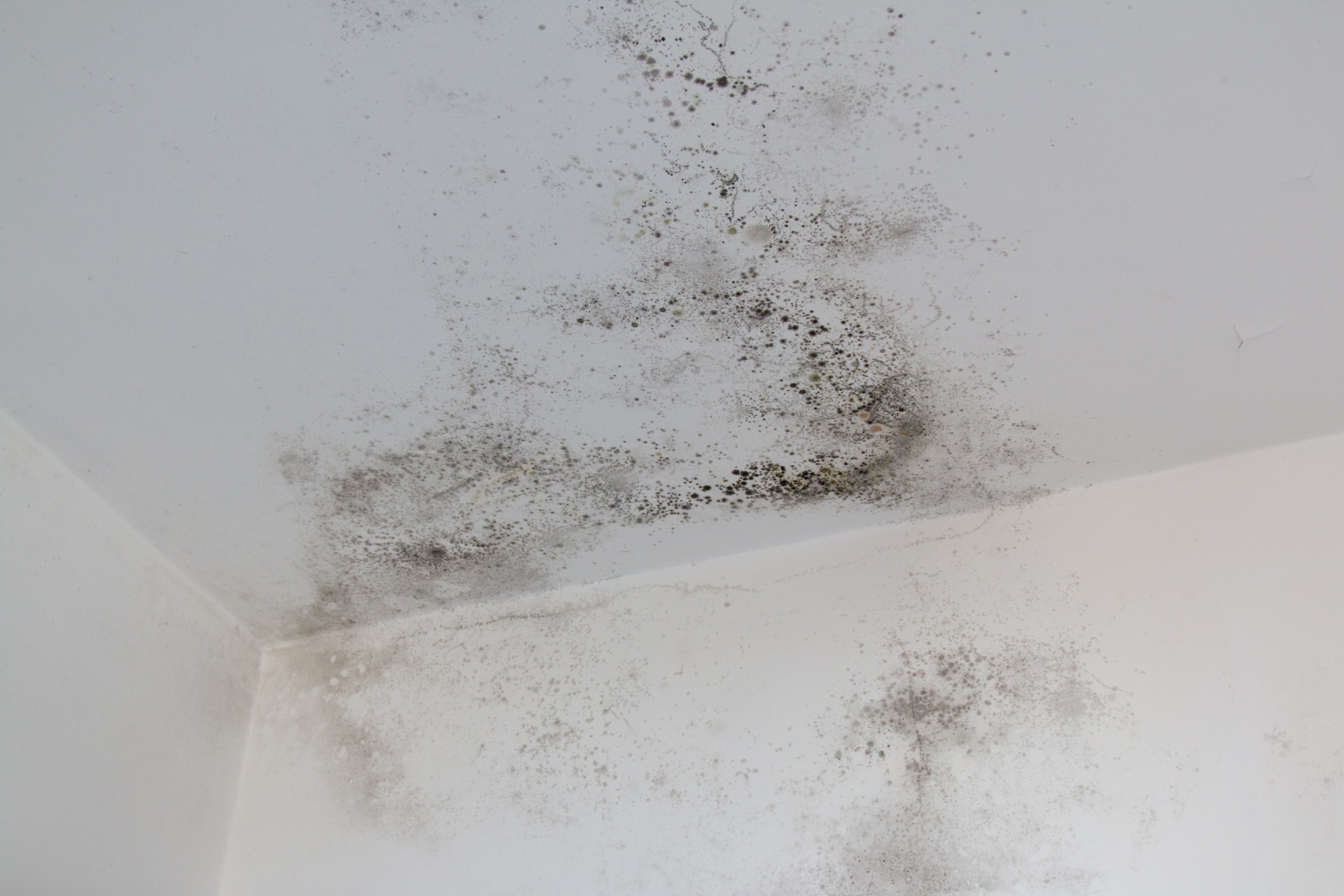
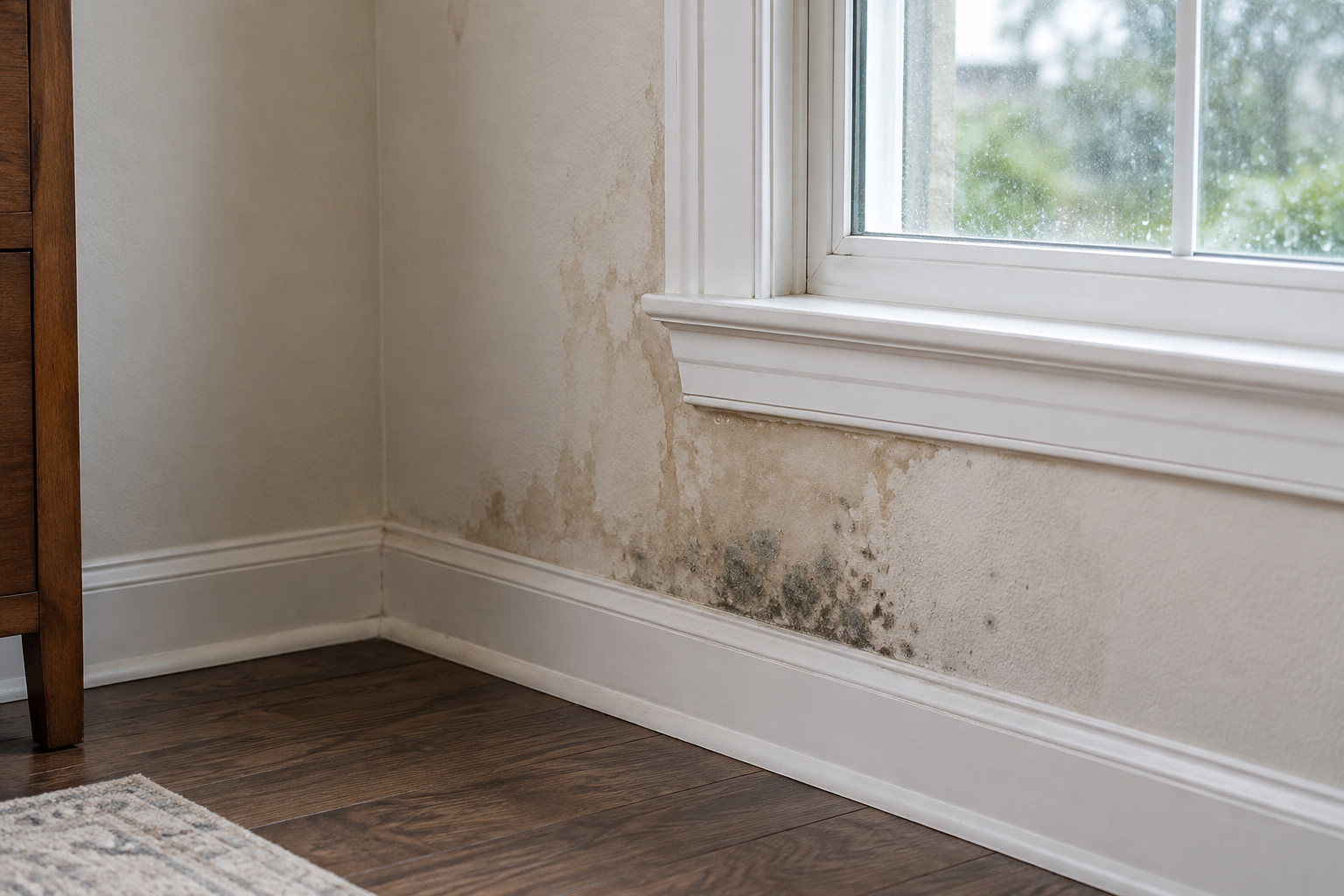
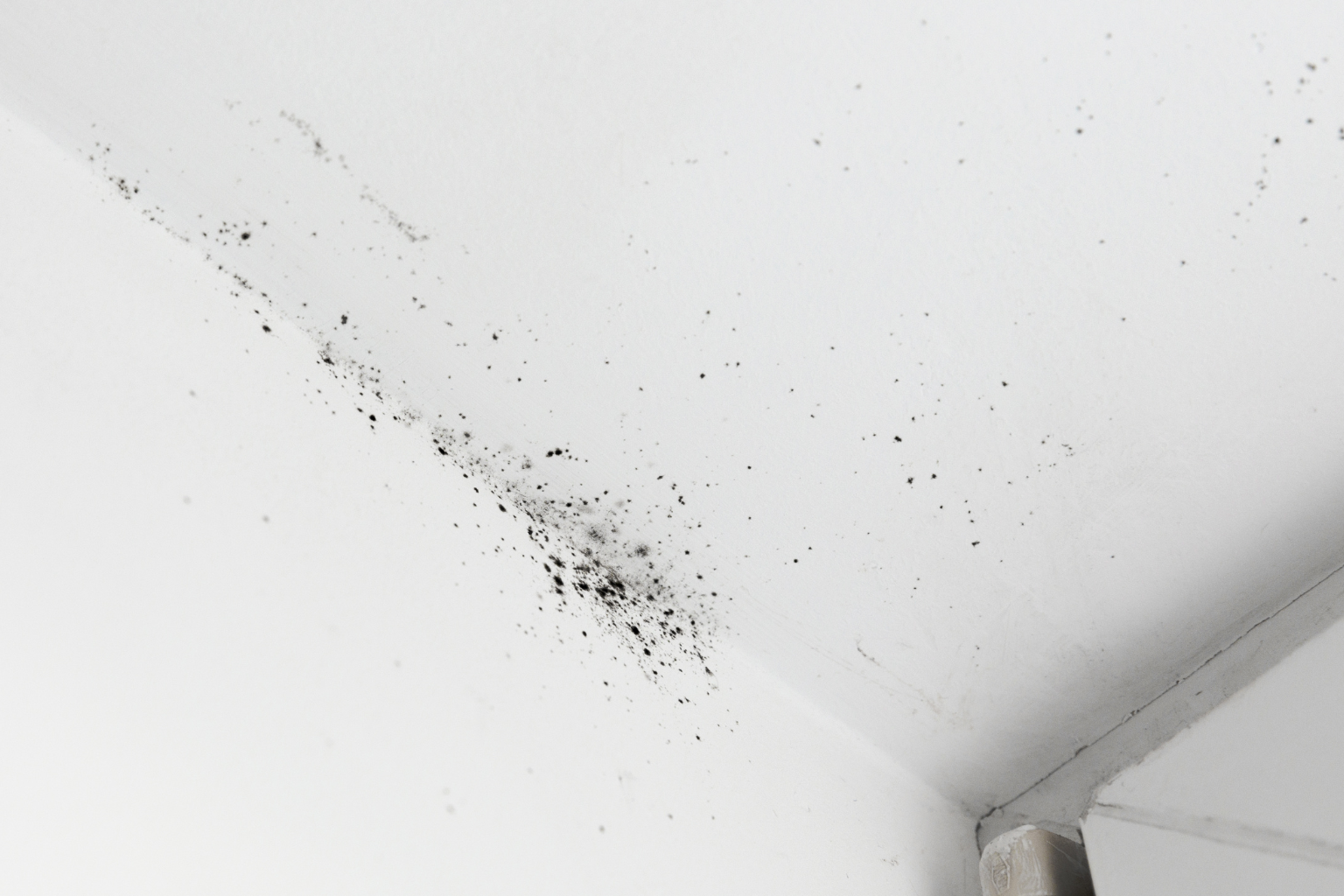
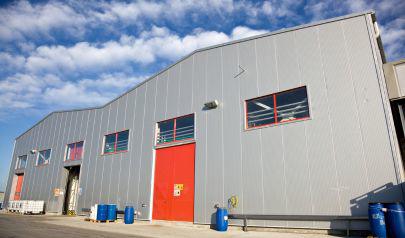
Summer storms can deliver a substantial blow to commercial properties when wind-driven precipitation and overland flooding create ideal conditions for mold growth. Building materials and contents that remain wet for as little as 24 to 48 hours are at heightened risk of mold damage, in part because interior spaces, whether a vast warehouse or a cozy boutique, feature numerous hidden areas where fluids and absorbed moisture can become trapped. Loading docks, basements, storage rooms, and areas near water-using or water-creating appliances and equipment are especially prone to excess dampness and poor airflow, which can slow the drying process. Small leaks or water seepage can be undetected, increasing the likelihood of microbial growth and damage.
Take Control with a Dual Approach
The most effective way to protect businesses from mold damage caused by summer storms involves two phases. First, before the rains arrive, ensure that your commercial building is storm-ready and ready to shed and divert water away from building materials and contents. Second, if stormwater and moisture do intrude, contact the professional team from AdvantaClean for fast and comprehensive water extraction and efficient structural and contents drying to prevent mold growth and damage.
Proactive Mold Avoidance
It is essential to have a plan for regular inspection and maintenance of your commercial property’s precipitation runoff and drainage systems. Before the pop-up or trailing thunderstorms, high winds, and even tornados, hurricanes, or tropical weather dumps torrential rain and batters your building’s infrastructure, prepare for the worst.
- Inspect roofing systems, both flat and gabled, for loose and damaged materials and drainage issues.
- Check gutters, scuppers, and roof drains for clogs and debris, clear out any obstructions, and reconnect and repair individual components so that runoff flows properly.
- Review the condition and operational status of the basement and lower level sump pumps and backflow preventers, including backup systems, to ensure the swift removal of water incursion from leaks or seepage.
- Evaluate the grading around the building or buildings, ensuring that water flows away from the commercial campus rather than pooling or seeping inside.
Prompt Interventions if Water Intrudes
If proactive strategies are unable to prevent all water and moisture damage, business owners must act quickly and decisively to prevent conditions conducive to mold growth. Rely on the expertise of AdvantaClean crews to:
- Remove Standing Water Immediately — Large quantities of water are evacuated from the premises using powerful commercial-grade truck-mounted and portable extractors.
- Remove Unsalvageable Materials and Manage Porous Items — Drywall, furnishings, and carpeting typically retain water and become breeding grounds for mold. Removing wet floor coverings, using controlled demolition to tear out water-damaged structures, and packing out wet contents for evaluation and drying off-site help prevent mold growth inside commercial spaces.
- Dry Out Affected Spaces — Once water is gone, extensive applied structural drying is vital. Air movers, fans, heaters, and dehumidifiers rapidly reduce humidity and pull moisture from structures and contents.
Why Partner with AdvantaClean to Prevent Storm-Related Mold
AdvantaClean specializes in helping businesses respond quickly and effectively to water damage and mold risks. Our team has trained to safely handle water removal, structural drying, and mold mitigation. We use specialized cleaning products, humidity control strategies, and protective coatings to create a barrier against future growth. We can perform a thorough inspection afterward to make sure hidden moisture isn’t lingering in hard-to-reach areas.