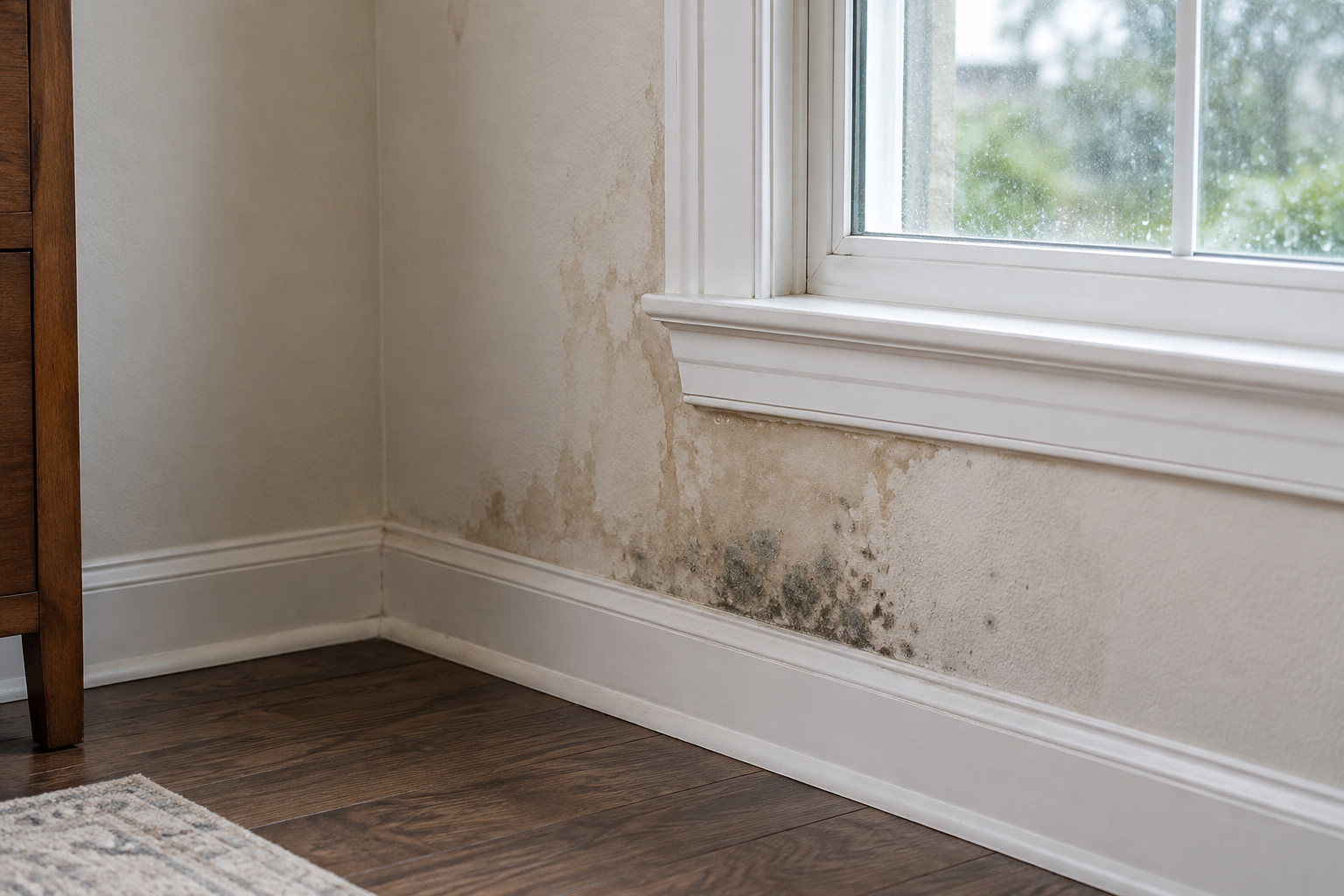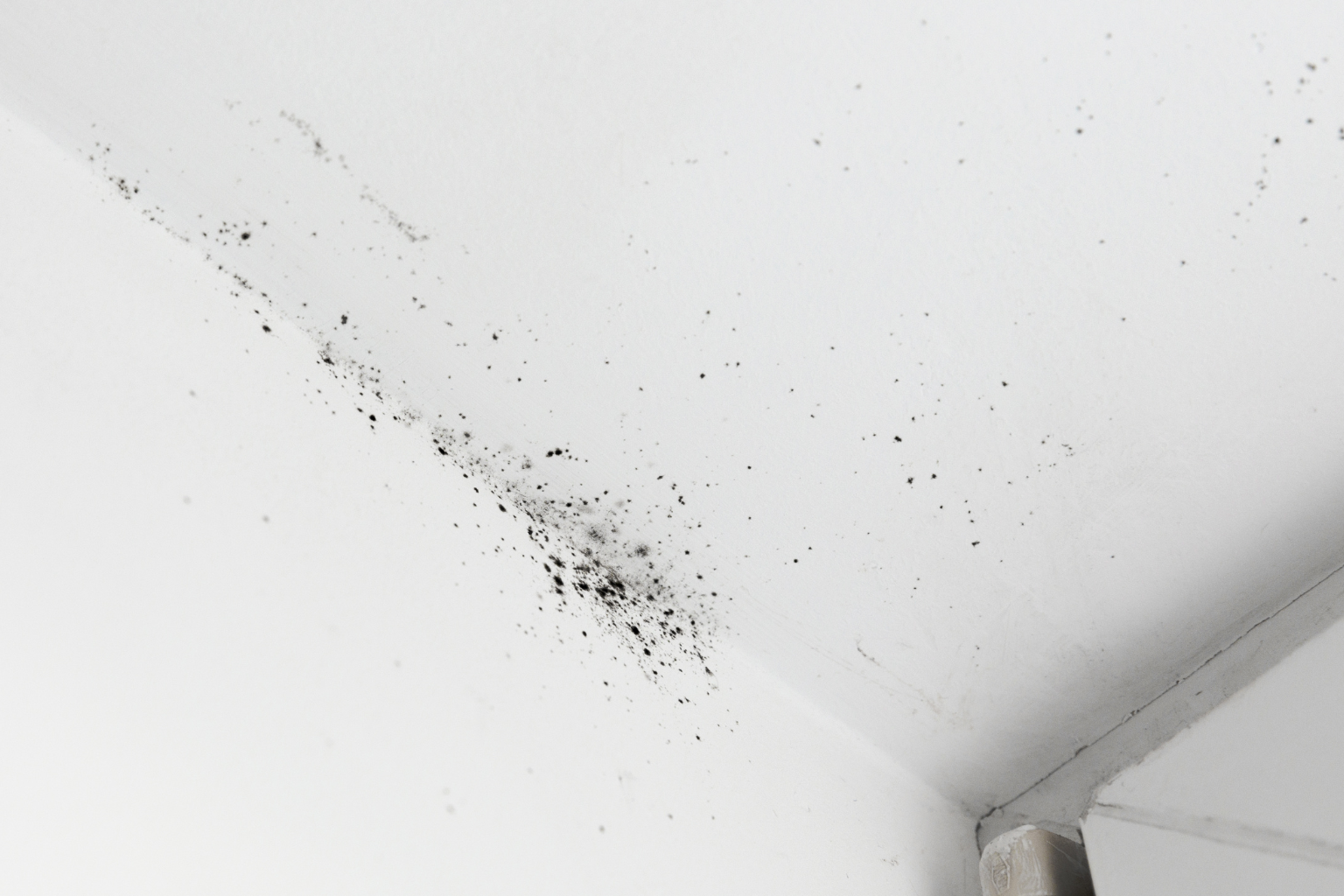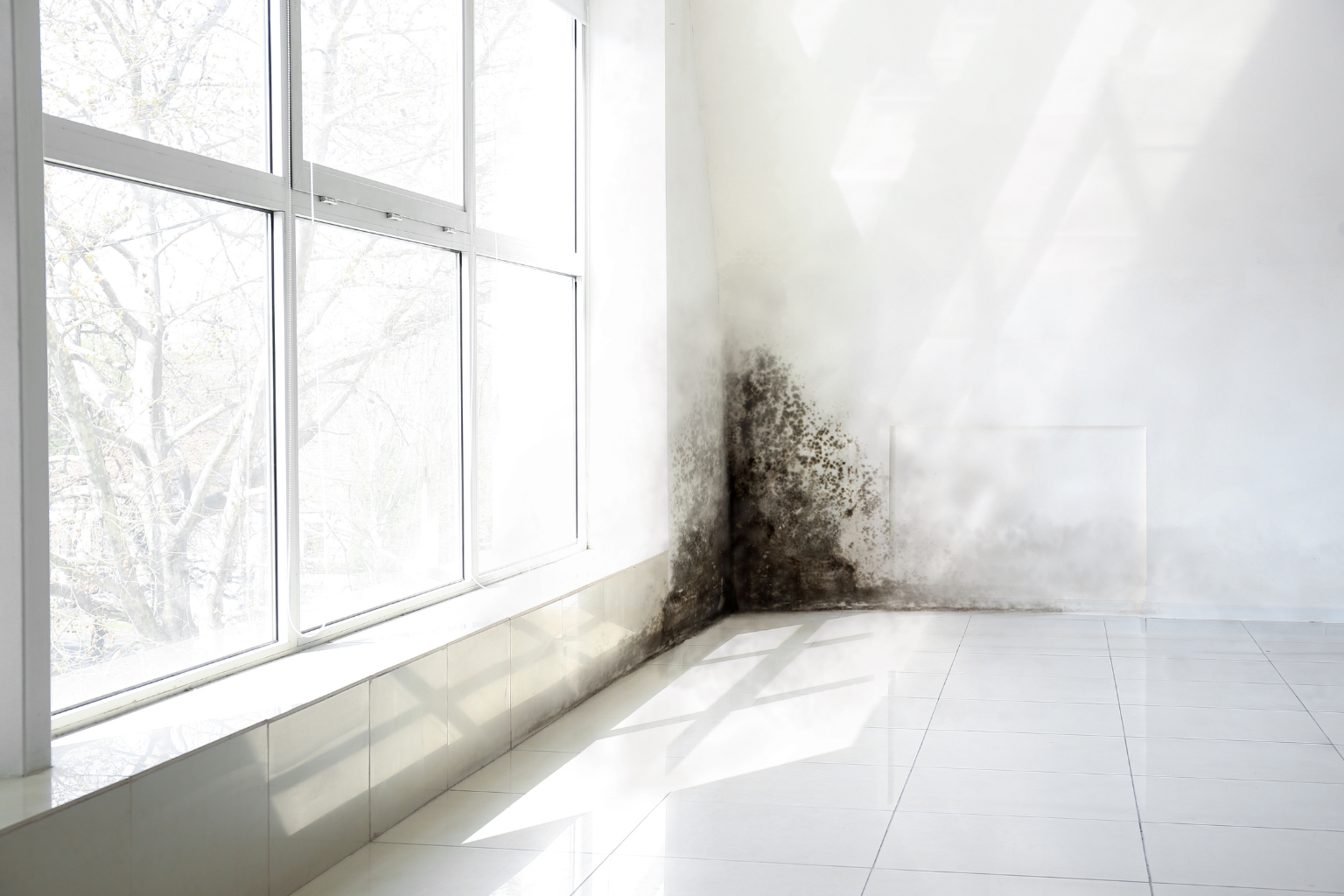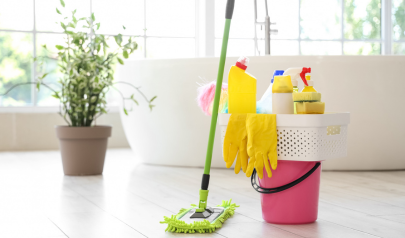
Spring cleaning provides more than an opportunity to refresh the appearance of a home. It also allows homeowners to evaluate areas where moisture may have accumulated during the colder months. When ventilation is limited, and humidity circulates through enclosed spaces, certain surfaces inside the home can retain moisture longer than expected. Over time, these conditions can create an environment where mold growth begins to develop.
Many areas where mold forms are not immediately visible during everyday cleaning routines. Spaces behind furniture, inside closets, or along exterior-facing walls may experience reduced airflow and slightly cooler surface temperatures. When moisture remains present in these locations, it can quietly influence the indoor environment.
Mold and moisture inspections performed in residential homes frequently identify humidity and airflow limitations as the underlying conditions that allow mold to develop. During indoor moisture investigations conducted by AdvantaClean, technicians regularly observe that simple maintenance and cleaning habits can significantly influence how moisture behaves inside a home.
Areas to Focus on During Spring Cleaning
Mold prevention begins with understanding where moisture tends to collect inside residential spaces. Spring cleaning provides an opportunity to evaluate these areas and reduce environmental conditions that support mold growth.
Several locations inside the home deserve extra attention during seasonal cleaning:
- Basements and lower-level rooms
These areas tend to remain cooler and can accumulate humidity when warm indoor air meets foundation surfaces. - Closets along exterior walls
Limited airflow inside closets allows moisture to remain trapped against cooler wall surfaces. - Window frames and surrounding trim
Condensation that formed during colder weather may have collected along window edges and sills. - Bathrooms and laundry areas
Rooms that regularly produce humidity benefit from proper ventilation and surface cleaning. - Behind large furniture or stored items
Furniture positioned tightly against walls can restrict airflow and allow moisture to linger.
Cleaning these areas while also improving air circulation helps prevent humidity from remaining trapped along surfaces inside the home.
Cleaning Habits That Reduce Moisture Buildup
Spring cleaning can also help stabilize the indoor environment by reducing dust, debris, and materials that absorb moisture. Maintaining balanced humidity and airflow throughout the home helps prevent environmental conditions that support mold growth.
Several cleaning habits help support moisture control:
- Improving airflow around walls and furniture
Allowing small gaps between furniture and walls helps air circulate more freely. - Cleaning dust from vents and baseboards
Removing dust buildup helps maintain unobstructed airflow throughout the living space. - Monitoring humidity levels in enclosed areas
Basements, closets, and storage spaces may benefit from humidity monitoring or dehumidification. - Ensuring exhaust fans function properly
Bathroom and kitchen exhaust systems help remove moisture generated by daily household activities. - Keeping storage areas organized and elevated
Stored belongings should allow airflow around surfaces rather than trapping moisture.
Maintaining Healthy Indoor Conditions
Environmental conditions inside a home are influenced by how moisture moves through the indoor air. When airflow remains balanced and humidity levels stay controlled, the likelihood of mold development decreases significantly.
Spring cleaning offers a practical opportunity to observe how moisture behaves throughout the living space. Indoor air quality inspections frequently evaluate airflow patterns, ventilation performance, and humidity levels together to determine how indoor conditions may be influencing mold growth.
Maintaining a stable indoor environment helps prevent mold from developing in hidden areas of the home. When ventilation, humidity control, and routine cleaning habits work together, moisture remains less likely to settle on surfaces where mold can begin forming. Mold and moisture inspections performed by AdvantaClean frequently focus on these indoor conditions to understand how airflow and humidity patterns inside the home influence mold development.