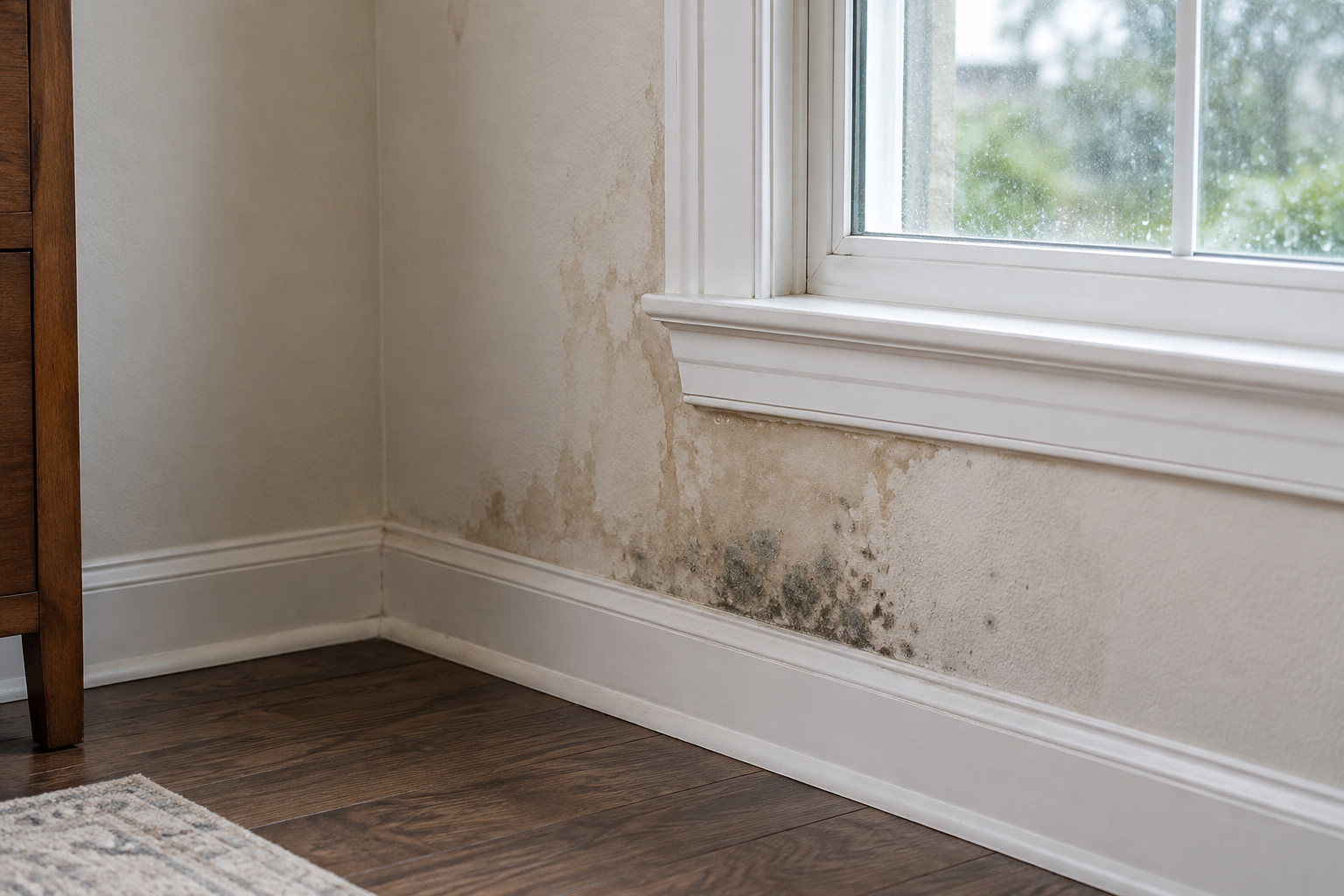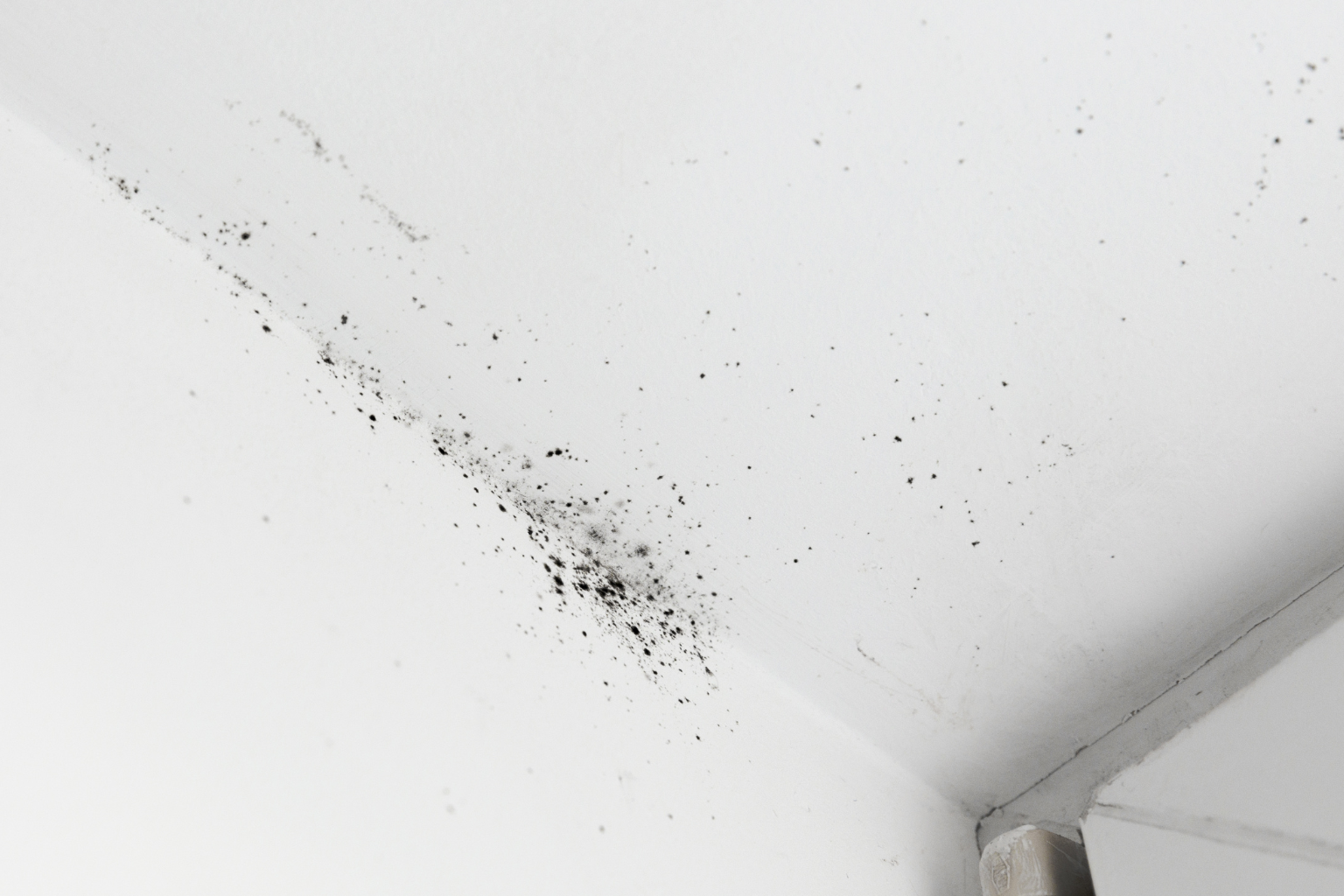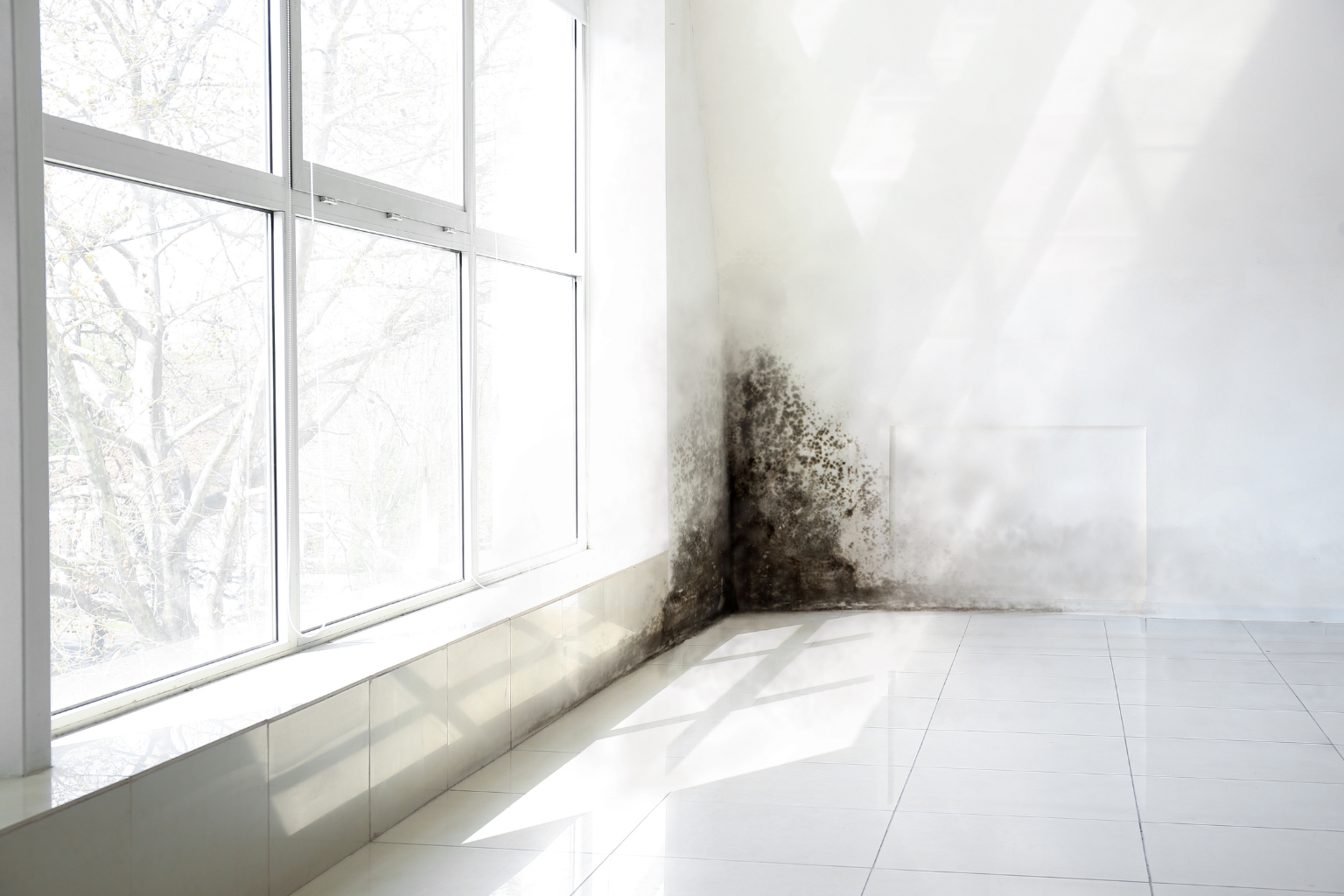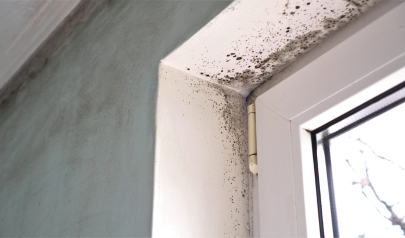
Spring is a practical time to evaluate how moisture behaves inside a home during the colder months. While heating systems ran continuously and windows stayed closed, humidity created by daily activities circulated through the indoor environment with limited ventilation. Areas with restricted airflow—such as basements, closets, window frames, and exterior wall surfaces—may have retained moisture longer than expected. When these conditions persist, surfaces inside the home can begin supporting mold growth even if no obvious water event occurred.
Seasonal inspections provide an opportunity to evaluate how moisture conditions inside the home may have changed during colder months. Areas that remained cool, damp, or poorly ventilated through winter are the most likely places where mold development may begin. Early identification of these conditions helps prevent environmental moisture problems from expanding into larger indoor air quality concerns.
Environmental evaluations conducted in residential homes during seasonal transitions frequently focus on humidity levels, ventilation patterns, and surfaces where moisture may have remained present for extended periods.
Areas of the Home That Deserve Attention During Spring Mold Inspections
Mold growth requires moisture, organic material, and stable environmental conditions. Several areas inside homes naturally create these conditions if humidity or condensation develops during winter.
When inspecting a home during the spring season, certain locations tend to reveal early signs of mold activity.
- Basement spaces
Basements remain cooler than upper floors and can accumulate humidity when warm indoor air meets colder foundation surfaces. - Crawlspaces
Limited airflow and ground moisture can create environments where humidity remains elevated. - Window frames and sills
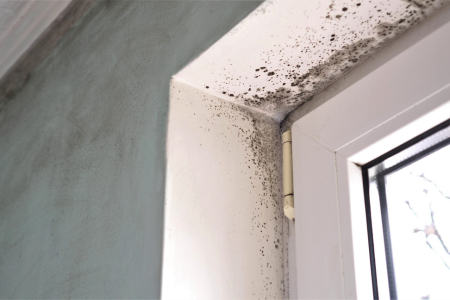
Condensation that formed during colder months may have collected along window edges and surrounding trim. - Bathrooms and laundry areas
Rooms where moisture from showers or appliances accumulates can retain humidity if ventilation is insufficient. - Behind stored items
Furniture or storage boxes placed against exterior walls may restrict airflow, allowing moisture to linger on surfaces.
These locations may not immediately show visible mold, but environmental indicators such as musty odors, damp surfaces, or discoloration can signal that moisture conditions have been present long enough to support microbial growth.
Signs That Environmental Conditions May Be Supporting Mold
Spring inspections focus not only on visible mold but also on environmental indicators that suggest mold growth could develop. Observing how moisture behaves inside the home helps identify areas where humidity or condensation may be affecting materials.
Homeowners inspecting their living space may notice several early indicators:
- Persistent musty odors
Mold growth can release noticeable odors even before visible spots appear. - Condensation on windows or walls
Repeated condensation suggests humidity levels may be elevated indoors. - Discoloration along baseboards or wall surfaces
Slight staining may signal that moisture has been present on the material surface. - Damp storage areas
Items stored in basements or closets may absorb moisture when humidity remains elevated.
Environmental moisture assessments across residential homes frequently show that mold growth develops gradually when humidity remains elevated in enclosed spaces. Evaluations performed by AdvantaClean often involve examining airflow conditions, humidity levels, and moisture patterns throughout the home in order to determine how environmental conditions may be influencing mold development.
Maintaining Balanced Indoor Conditions After Winter
Spring inspections help restore balance inside the home after months of reduced ventilation. As outdoor temperatures rise, improving airflow and managing humidity levels helps stabilize the indoor environment.
Several environmental adjustments can help maintain healthier indoor conditions:
- Increasing ventilation by allowing fresh air circulation when the weather permits
- Monitoring humidity levels inside basements and enclosed spaces
- Ensuring bathroom and kitchen exhaust fans operate effectively
- Keeping stored items slightly away from walls to improve airflow
- Addressing small moisture sources before humidity accumulates
Environmental conditions inside homes constantly shift as seasons change. Monitoring moisture levels, ventilation patterns, and air circulation helps maintain a stable indoor environment throughout the year. During environmental mold evaluations performed by AdvantaClean, technicians often examine these factors together to understand how indoor conditions may influence mold development within residential spaces.