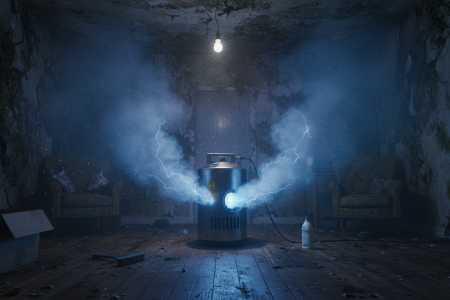
When faced with a stubborn mold problem and a pervasive musty smell in your Fort Lauderdale home, desperate searches for a solution can lead you to a device that makes a powerful promise: the ozone generator. Marketed as a powerful oxidizer that can "shock" and eliminate mold, odors, and contaminants, these machines seem like a miracle cure. But does this quick-fix technology live up to its claims, and more importantly, is it safe for your family and your home? This article separates the alarming marketing from the scientific and regulatory reality, explaining why professional mold remediation experts strongly advise against using ozone generators for mold removal.
What is an ozone generator and how does it claim to work?
An ozone generator is a device that produces ozone (O3), a molecule composed of three oxygen atoms. It creates ozone either by electrical discharge (like a lightning bolt) or ultraviolet light. The machines are often marketed for odor removal, mold control, and air purification.
The claimed mechanism for killing mold is oxidation. Ozone is a highly unstable and reactive gas. Proponents claim that when ozone comes into contact with mold spores, mycotoxins, or odor-causing compounds, it oxidizes and breaks down their cellular structure or chemical bonds, thereby "destroying" them. This process is also touted to work on surfaces and in the air, even penetrating materials like drywall and furniture to reach hidden contaminants.
The dangerous reality: Health risks and regulatory warnings
Before considering effectiveness, the paramount concern is safety. Every major public health and environmental authority warns against using ozone generators in occupied spaces.
Ozone is a toxic lung irritant
The U.S. Environmental Protection Agency (EPA), the Centers for Disease Control and Prevention (CDC), and the American Lung Association all classify ozone as a hazardous air pollutant. At high concentrations—like those produced by these machines—ozone:
-
Severely irritates and inflames the respiratory system.
-
Triggers asthma attacks and can worsen chronic lung diseases like emphysema.
-
Causes chest pain, coughing, shortness of breath, and throat irritation.
-
Can reduce lung function and make it harder for the body to fight respiratory infections.
"Shock treatment" requires dangerous levels
The crucial catch is that for ozone to have any potential effect on mold or odors, it must be used at concentrations far, far higher than public health standards allow for human exposure. This is why companies recommend "shock treatment": vacating the home, sealing it, running the generator for hours, and then airing it out before re-entry. However, ozone can linger in soft materials (carpets, curtains, upholstery) and continue to off-gas, creating an ongoing exposure risk. It can also damage plants, rubber, electrical wire coatings, and artwork.
The critical limitations: Why ozone fails as a mold solution
Even if you disregard the severe health risks, ozone generators are a fundamentally flawed solution for mold remediation.
Ozone does not address the moisture source
Mold is a symptom of a moisture problem. Whether it's from a past flood in your Pompano Beach property, a hidden plumbing leak, or the chronic humidity of our South Florida climate, mold will return as long as the water source remains. Ozone does nothing to fix a leaky pipe, roof damage, or poor ventilation. It's a superficial attempt to treat the symptom while ignoring the disease.
Surface-level penetration is a myth
While ozone gas can diffuse into the airspace of a room, its ability to penetrate porous materials and reach the root structure of mold (the mycelia) is severely limited. Mold growing deep within drywall, under flooring, or inside attic insulation is completely shielded. Ozone may temporarily reduce surface spores or odor on the outside, but the living colony inside remains untouched and will simply regrow.
It can create a false sense of security
The most insidious danger is that ozone's strong, "clean" smell can mask the underlying musty odor of mold. Homeowners may believe the problem is solved because the smell is gone, while toxic black mold, like the kind that concerns homeowners asking if black mold is a serious problem in Plantation, FL homes, continues to grow unseen, posing a silent health threat.
The professional mold remediation standard: Contrast with ozone
To understand why ozone is rejected, it helps to understand the science-backed, multi-step process used by certified professionals like AdvantaClean.
-
Safety First & Containment: Professionals seal the work area with plastic and use HEPA-filtered negative air machines (air scrubbers) to capture airborne spores, preventing cross-contamination. This protects the rest of your home and the workers—without releasing toxic gases.
-
Source Removal: Unlike ozone which attempts to "kill" mold in place, pros safely remove mold-infested porous materials (drywall, insulation). Mold is a allergen and toxin; dead mold spores can still cause allergic reactions, so physical removal is essential.
-
Cleaning & Antimicrobial Treatment: Remaining non-porous surfaces are cleaned with specialized agents. HEPA vacuuming removes all residual spores.
-
Drying: Industrial-grade dehumidifiers and air movers ensure the area is brought to a dry standard, removing the moisture that caused the mold—the step ozone completely ignores.
-
Verification: The job is not done until post-remediation testing verifies spore counts are at safe, normal levels.
This process, which acknowledges that mold removal in Weston, Florida homes is not instantaneous, is thorough, proven, and safe.
Frequently asked questions about ozone and mold
If ozone is so dangerous, why are ozone generators still sold?
They are often sold with disclaimers for use only in unoccupied spaces. However, their marketing frequently downplays the health risks and overstates their effectiveness against mold, leading to consumer misuse. They are regulated as air purifiers, but the EPA states they are not safe or effective for use in occupied spaces.
Can I use an ozone generator in my empty apartment or car?
Even in an empty space, significant risks remain. Ozone can damage materials (rubber seals, fabrics, electronics) and linger, posing a risk when you return. For a car or apartment, professional odor removal or detailing that addresses the source (e.g., deep cleaning, not just masking) is a safer, more effective choice.
What about "low-level" or "safe" ozone generators sold as air purifiers?
Any device that produces ozone as a primary cleaning method is problematic. The EPA has found that at concentrations low enough to meet public health standards (under 0.05 ppm), ozone is ineffective at controlling mold or removing many odors. It is simply not a viable technology for indoor mold remediation.
I used one and the smell is gone. Isn't that proof it worked?
Not necessarily. Ozone is excellent at masking odors by breaking down the odor molecules in the air. This is different from eliminating the mold source. The mold colony may still be active and growing, but you can no longer smell its warning signal. This is a dangerous false positive.
Are there any safe uses for ozone?
In controlled industrial settings (e.g., water treatment, sterilizing medical equipment), ozone has valid uses. These applications are performed by trained technicians in sealed systems, not in a home environment with people, pets, and belongings.
The clear verdict: A hazardous and ineffective gimmick
The evidence is clear and unanimous from health authorities and industry experts: Ozone generators are a hazardous and ineffective tool for mold remediation. They pose severe and immediate risks to your health, can damage your belongings, and fail to address the root cause of mold—moisture. At best, they offer a dangerous and temporary mask for a growing problem.
For Ft. Lauderdale, Hollywood, Plantation, and Cooper City homeowners dealing with mold, the only safe and guaranteed solution is professional assessment and remediation. If you are seeing signs of mold or have experienced hidden water damage in your Hollywood home that could lead to mold, do not risk a DIY chemical shock treatment.
Contact the certified professionals at AdvantaClean of Fort Lauderdale. We use safe, proven, and scientific methods to find the moisture source, completely remove the mold contamination, and restore your home's air quality and safety. Protect your health and your investment—choose science over a dangerous shortcut. Call us today for a thorough inspection and a real solution.