Understanding What You Should Watch for to Protect Your Investment
Water damage is one of the most underestimated (and costly!) risks for commercial building owners. Recovery can be complex, especially in larger facilities with intricate layouts and interconnected systems. In many buildings, certain design features and infrastructure layouts can unintentionally make them more vulnerable to hidden leaks, flooding, or equipment failures. Understanding the most common sources of commercial water damage can help your business stay prepared and respond quickly to potential disasters
- Roof Leaks and Drainage Failures
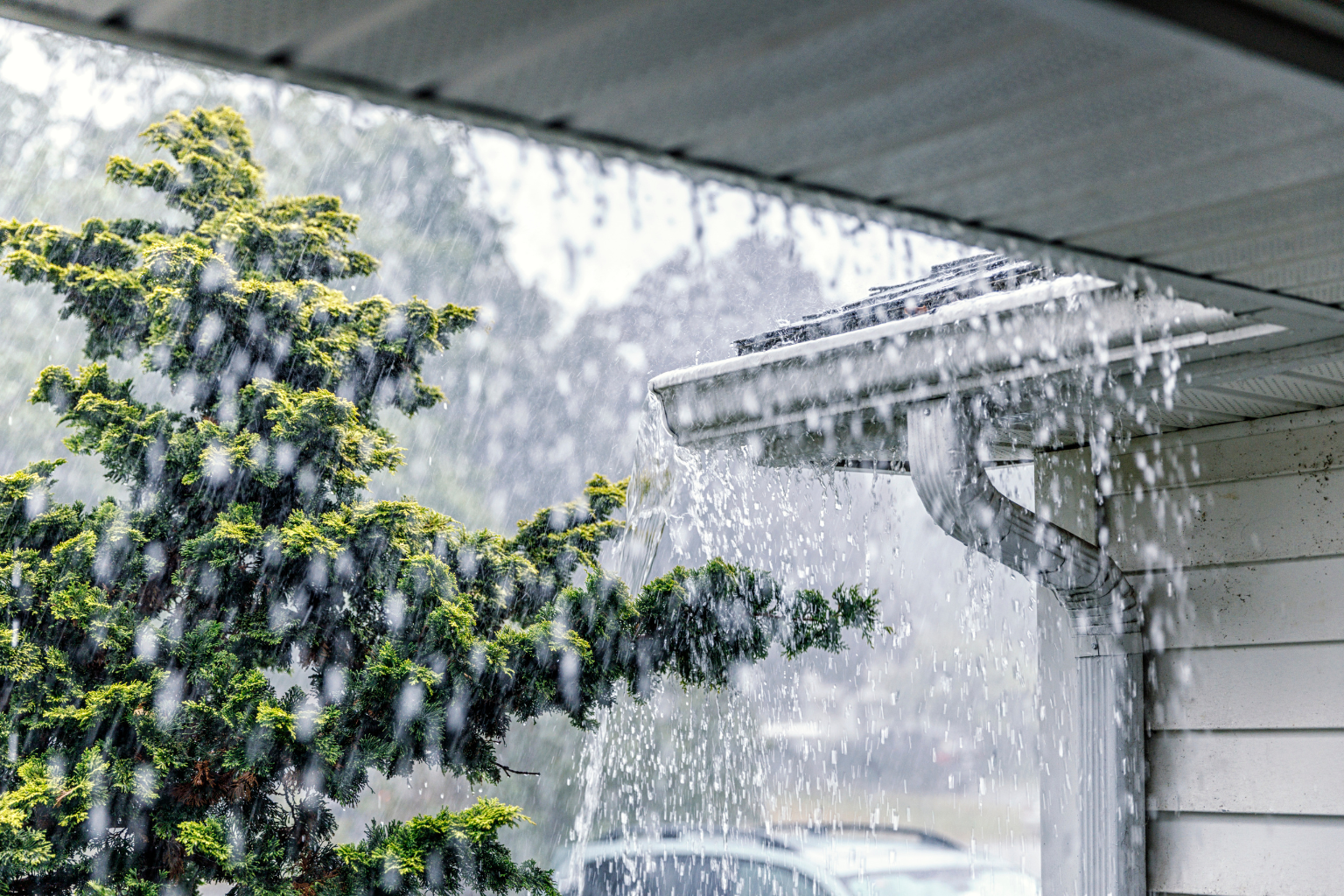
Flat roofs, commonly found in retail and office buildings, are particularly susceptible to standing water. Even light rain can lead to water intrusion if the drainage system (gutters, downspouts, or internal drains) is clogged with debris or deteriorated from age. Over time, trapped moisture can saturate insulation, weaken structural supports, and promote mold growth in hidden ceiling spaces.
- Leaky Pipes and Pipe Bursts
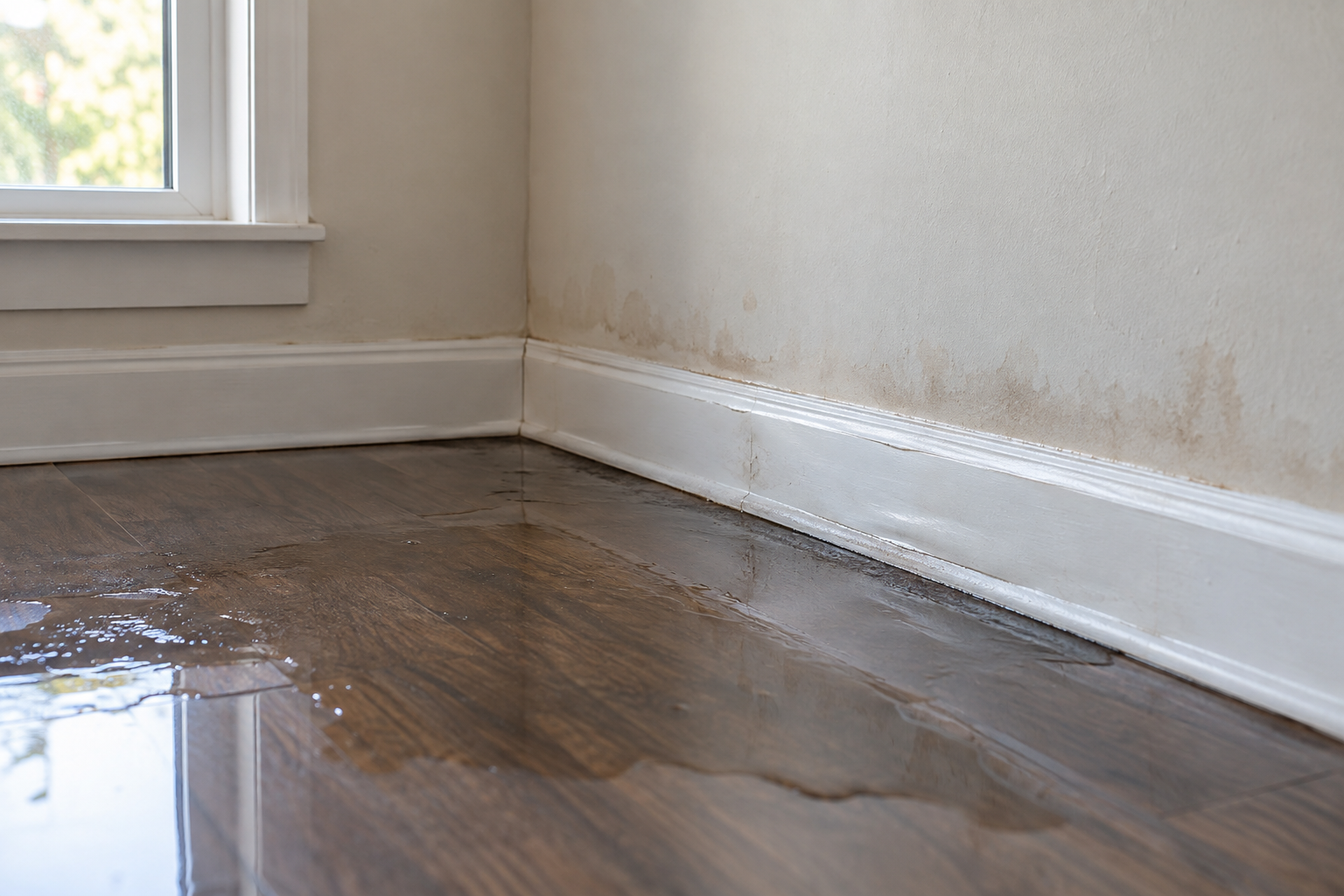
Commercial buildings have extensive plumbing systems to supply multiple restrooms, fixtures, and fire suppression systems.A single frozen or corrosion-caused burst pipe can release thousands of gallons of water into the office in a very short time frame. The result means flooding offices, buckling flooring, and damaging sensitive equipment or inventory.
- HVAC System Condensation
Clogged condensate lines, malfunctioning drip pans, or wet return duct air can all cause water buildup. Left unchecked, this can destroy ceiling tiles, corrode internal components, and cause mold growth behind walls or above ceiling grids. For buildings with rooftop HVAC units, the risks compound, especially on flat roofs.
- Cracks in the Foundation and Groundwater Seepage
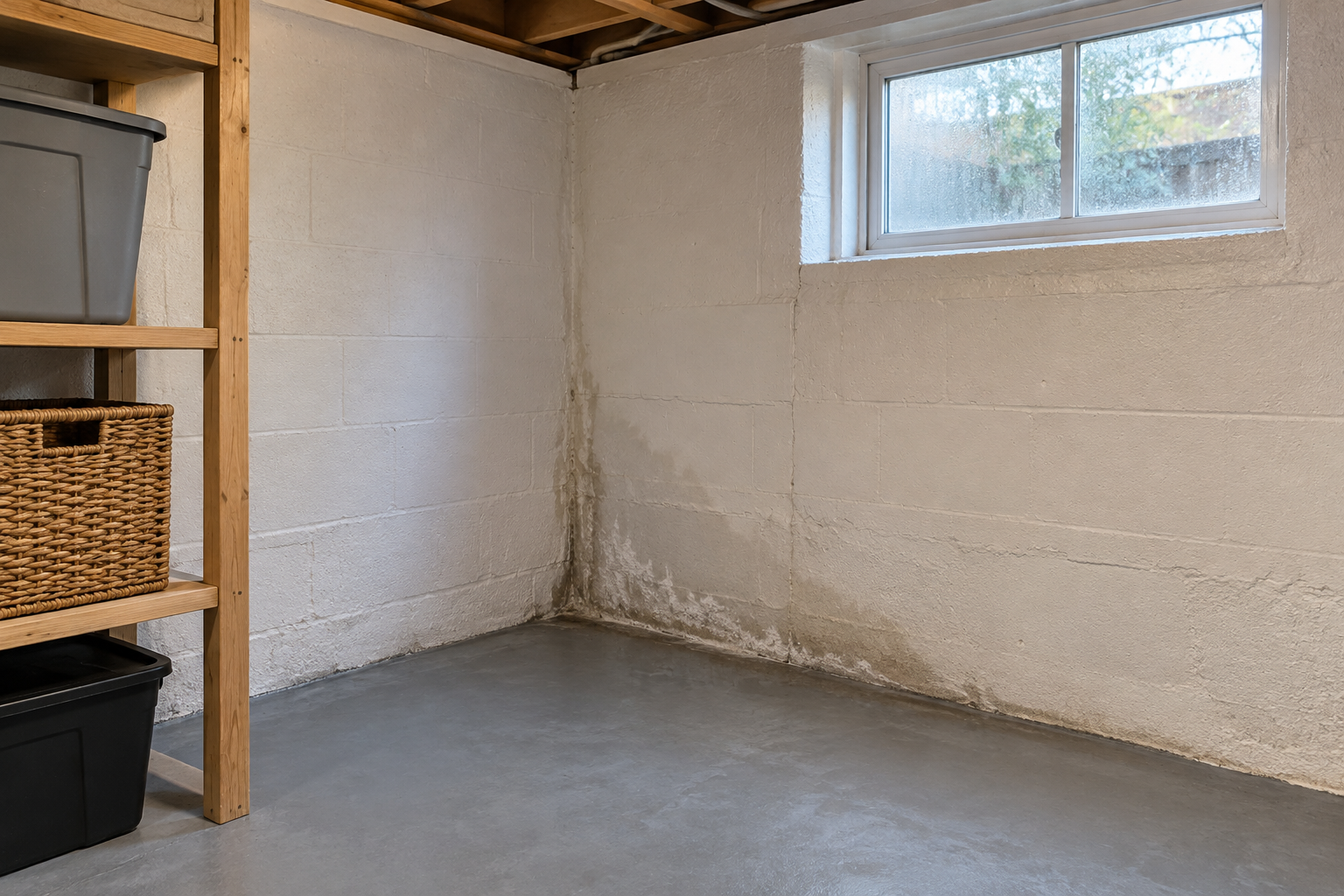
Small openings can provide a conduit for groundwater to seep into basements or lower-level storage spaces, especially during heavy rainfall or snowmelt events. Water entry here is typically slow and subtle, with long-term effects including rotting structural components, mildew odors, and a conducive environment for mold growth.
- Human Errors or Appliance Failure
Flooding can also result from employee mistakes (such as leaving a faucet running) or appliance malfunctions in dishwashers, coffee makers, or water heaters. While not as dramatic as a burst pipe, these incidents can still cause rapid, costly damage to floors, walls, and fixtures.
Watch for Warning Signs:
- Discoloration
- Warping materials
- Musty smells
- Higher-than-average water bills
- Visible rust and corrosion
Recover Quickly and Stay Operational with AdvantaClean
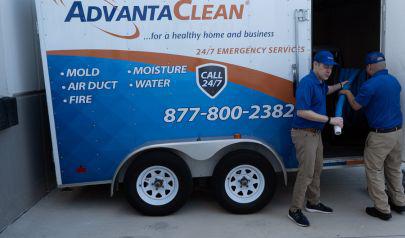
When water damage strikes, every minute counts. AdvantaClean provides large-loss water restoration services with industrial-grade drying equipment, a nationwide network of trained technicians, and deep expertise handling complex, high-loss cases. We help minimize downtime and keep your business running.
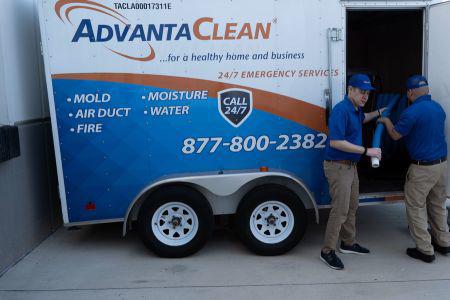
Strategically located throughout the nation and ready to act on a moment's notice, contact your local AdvantaClean team by calling (877) 800-2382.