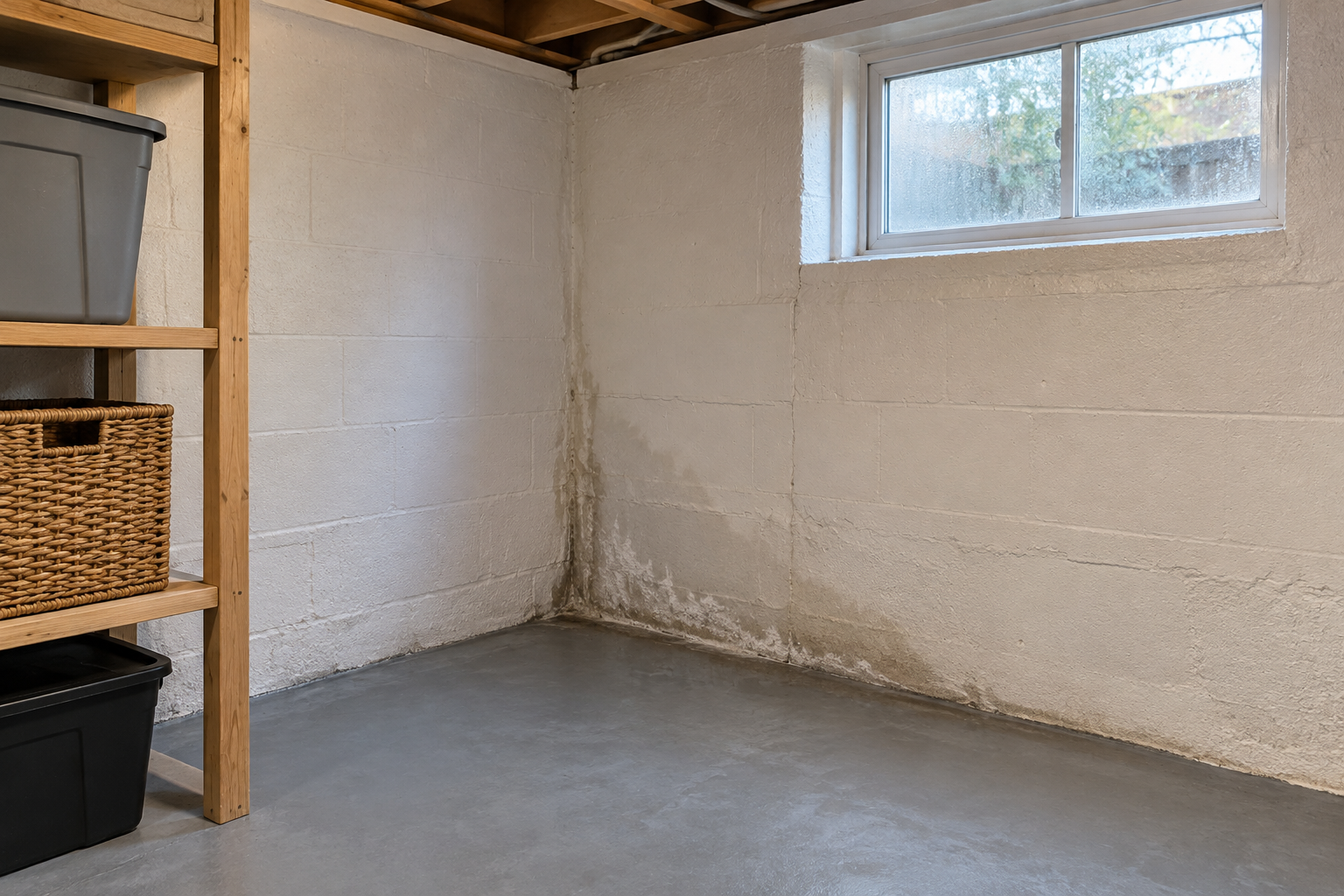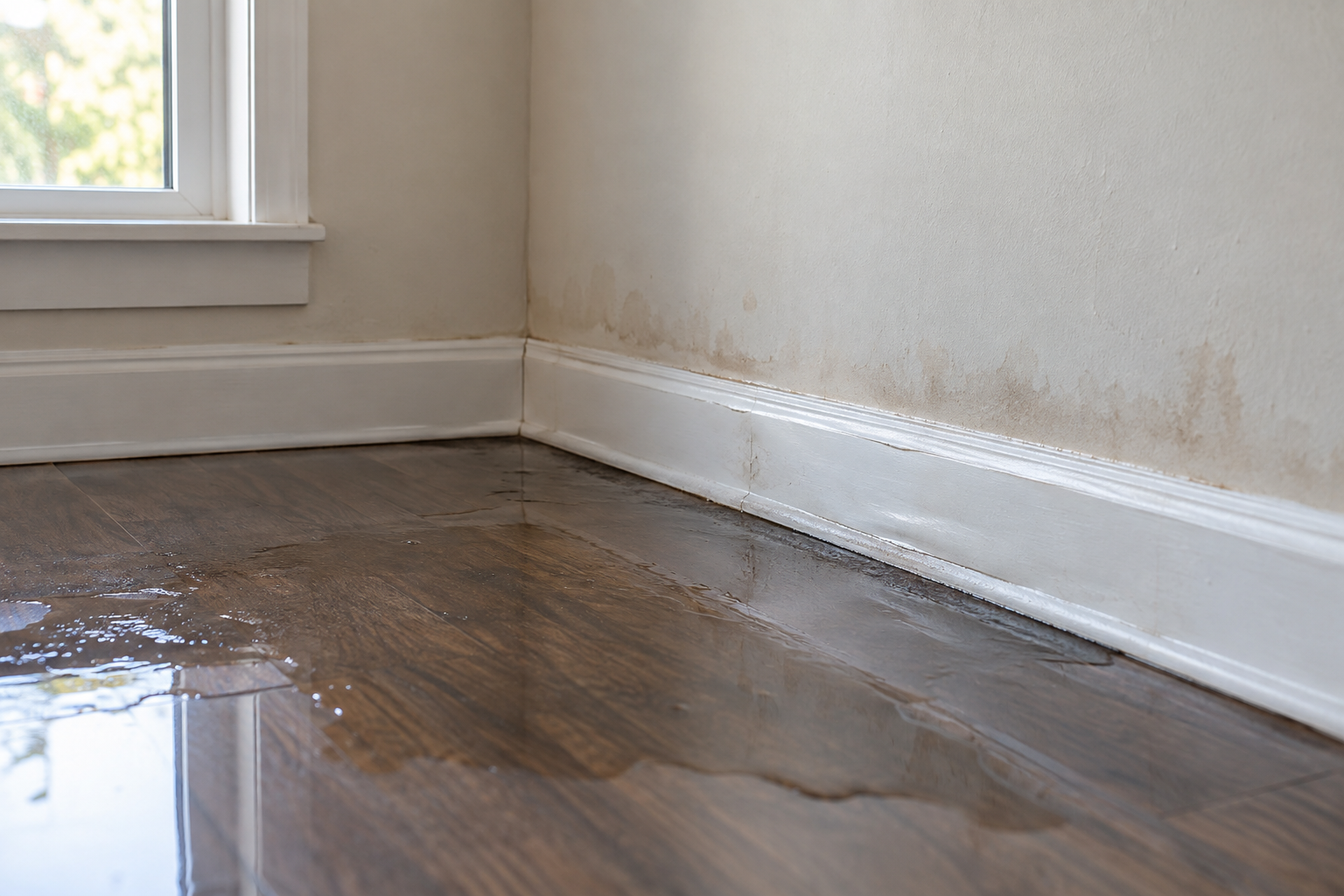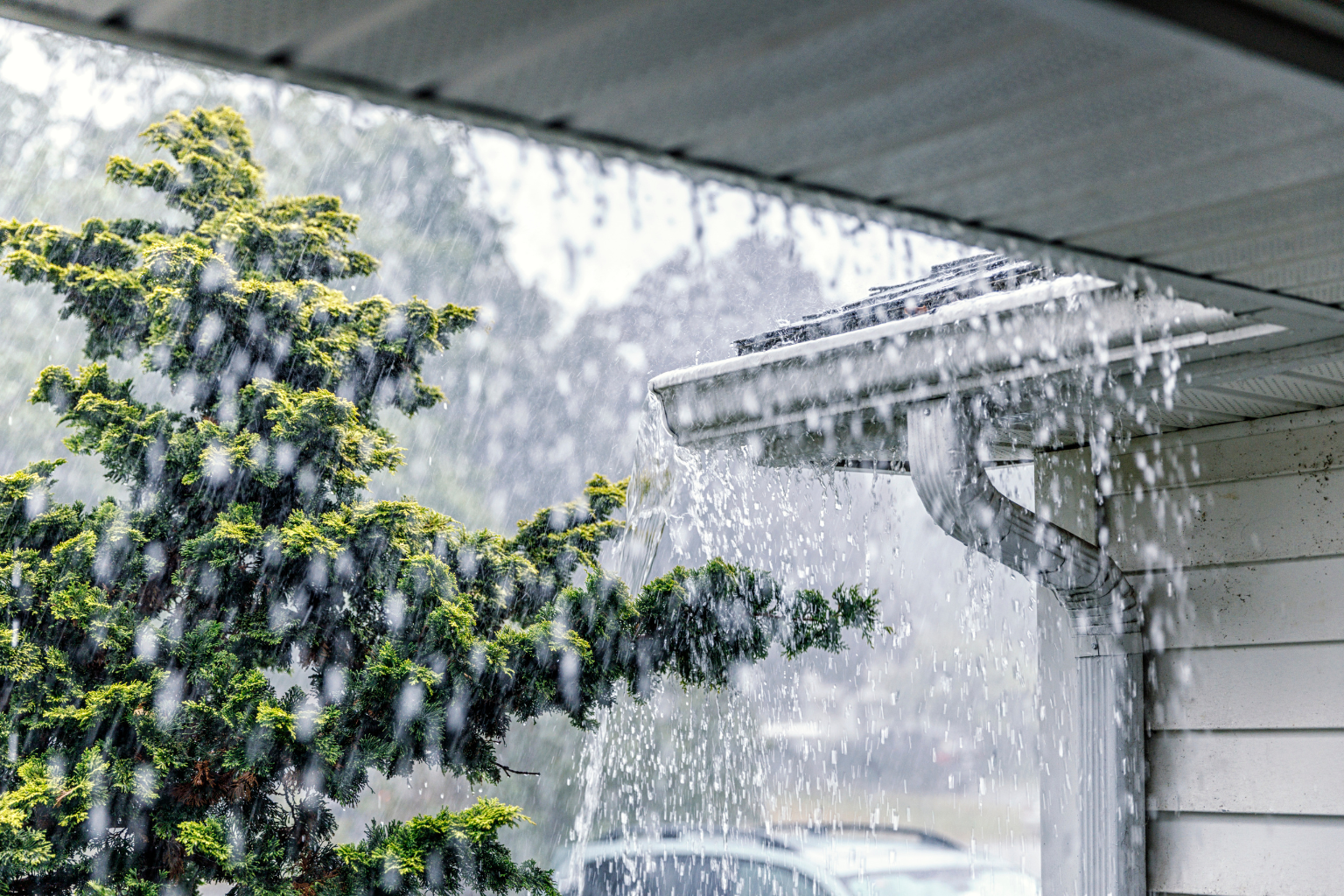
Navigating property damage in the wake of a severe storm is stressful. Whether high winds ripped shingles from your roof, a fallen tree breached your attic, or wind-driven rain caused widespread indoor water damage, the actions you take immediately following the event can dictate the success of your homeowners insurance claim.
Insurance adjusters require clear, verifiable proof of loss to substantiate claims. By approaching documentation methodically and prioritizing safety, you protect your investment and streamline the claim approval and reimbursement process.
Safety First: Assess Before You Access
Before retrieving a camera or notebook, ensure the property is completely safe to enter.
- Look Up and Look Down: Inspect the exterior for downed power lines, compromised trees leaning against structures, and severe structural sagging.
- Avoid Standing Water: Do not walk into flooded basements or rooms until power to the property has been safely disconnected at the main breaker by a professional or utility worker. Standing water can carry hidden electrical currents or harmful Category 3 contaminants.
- Check for Gas Leaks: If you smell natural gas or hear a hissing sound, evacuate immediately and notify your local utility provider.
Essential Steps to Document Storm Damage
To build an airtight claim file, capture evidence before any debris removal or cleanup begins. Insurance policies typically require property owners to prove both the extent of damage and that reasonable steps were taken to mitigate secondary losses (such as progressive water damage or mold growth).
1. Wide-Angle Structural Photos and Video Walkthroughs: Capture the overall context before focusing on small details.
Start from the street and document all four exterior elevations of the home. Record continuous video walkthroughs of both the exterior and interior, speaking clearly to narrate room locations and describe visible damage (e.g., ceiling stains, broken windows, buckled siding).
2. Detailed Close-Ups of Impact Points and Personal Property: Capture serial numbers, makes, and specific physical evidence.
Take clear close-up photos of specific damage points: hail dents on gutters/AC fins, missing shingles, cracked drywall, saturated flooring, and ruined furnishings. For high-value appliances or electronics, photograph the manufacturer labels displaying serial and model numbers.
3. Compile a Comprehensive Itemized Inventory: Do not throw items away until the adjuster inspects them.
Create a spreadsheet listing damaged personal items. Note the item description, approximate age, brand, estimated replacement cost, and attach original purchase receipts or bank statements if available. Keep damaged items in a staging area (such as a garage or yard tarp) rather than discarding them immediately.
4. Execute and Document Emergency Mitigation: Fulfill your policy's duty to mitigate further loss.
Homeowners insurance policies require you to protect the property from further deterioration. Make temporary, non-permanent repairs—such as boarding broken windows or tarping exposed roof sections. Photograph the condition before and after making temporary fixes, and save every receipt for tarps, plywood, and materials.
5. Log Adjuster Communications and Certified Restoration Reports: Keep a detailed paper trail of all communications.
Maintain a dedicated claim log documenting dates, claim numbers, names, and phone summaries of every conversation with your insurance provider. Request detailed moisture-mapping reports and drying logs from certified restoration contractors to validate non-visible structural saturation.
Best Practices for Working with Your Adjuster
- Provide Digital Folders: Organize photos and videos into categorized cloud folders (e.g., Roof & Exterior, Living Room, HVAC & Contents) to help the adjuster review files quickly.
- Distinguish Storm Damage from Wear and Tear: Clearly identify direct storm impacts (e.g., fresh water staining along rafters or punctured siding), so insurers do not misclassify the loss as long-term deferred maintenance.
- Involve Certified Restoration Technicians Early: Structural drying and hidden moisture detection require professional diagnostic equipment like thermal imaging cameras and penetrating moisture meters. Having an IICRC-certified restoration expert on-site during the adjuster's inspection ensures all affected building assemblies are included in the initial scope of loss.
Get Professional Mitigation Support
Thorough documentation is the first step toward getting your home restored, but halting water migration and structural decay requires professional intervention.
Need expert moisture mapping or emergency storm cleanup? Search for your local AdvantaClean or explore our water damage restoration services to connect with local restoration specialists equipped to help document, mitigate, and restore your home.