Ways to Keep Moisture Levels in Check: Defend Your Home and Well-Being
Most homeowners think about humidity only in terms of comfort, such as whether the air feels sticky or uncomfortably dry. But unbalanced indoor humidity is more than a nuisance; it’s a hidden risk that can quietly damage your home and impact your family’s health. Levels that are persistently too high or too low can weaken structural materials, drive up repair costs, and degrade indoor air quality (IAQ), leading to respiratory and allergy issues. Keeping indoor relative humidity (RH) between 30% and 50% is the sweet spot for protecting your property and creating a healthier living environment.
High Humidity Issues -- Structural Harm
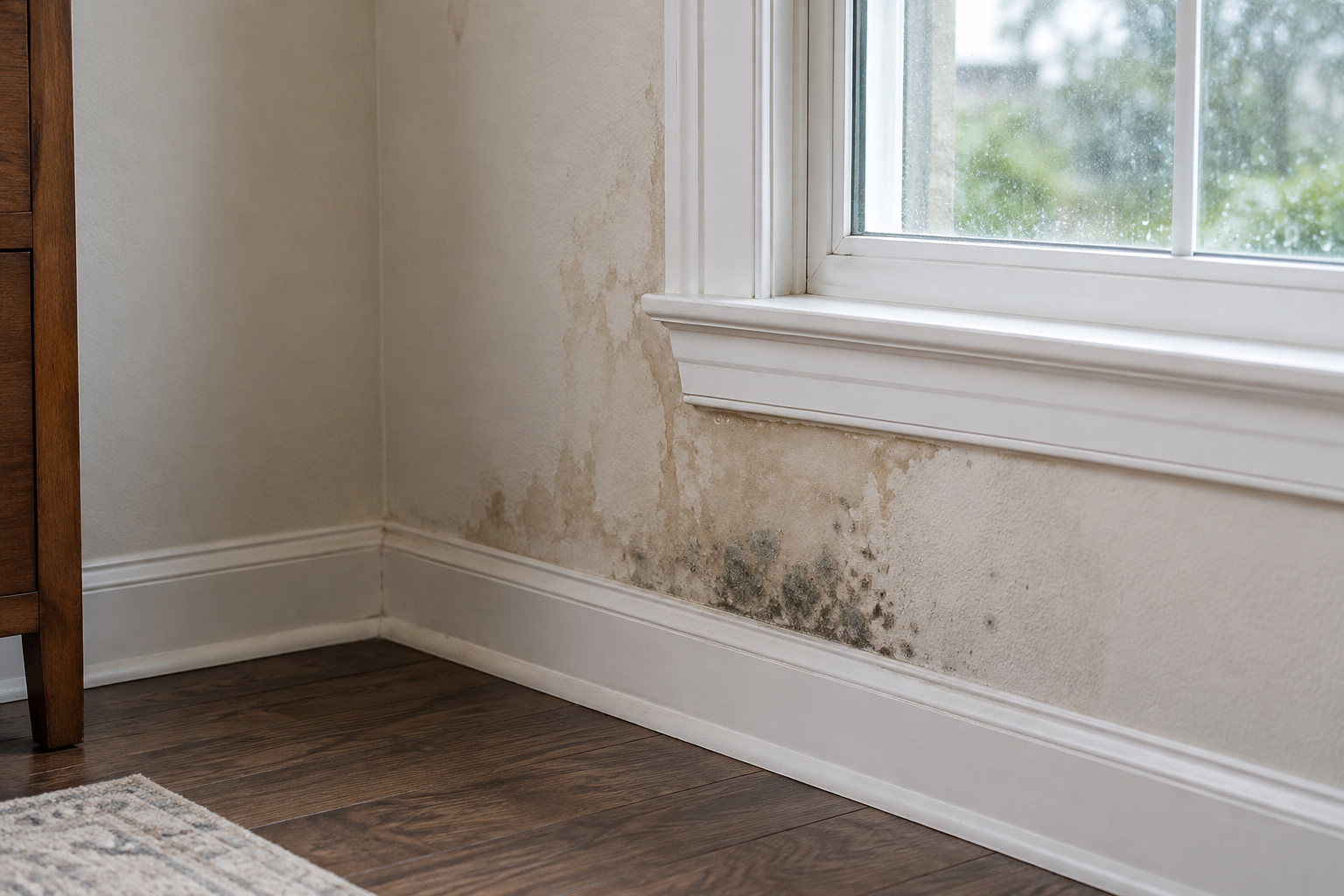
When RH rises above 50 percent, interior air cannot hold that level of water vapor, causing excess moisture to seep into building materials:
Wood swells, distorts, and buckles. Drywall loses strength and breaks down. Metal fixtures and fasteners corrode. Insulation loses its ability to prevent heat transfer.
Beyond Structural Risks
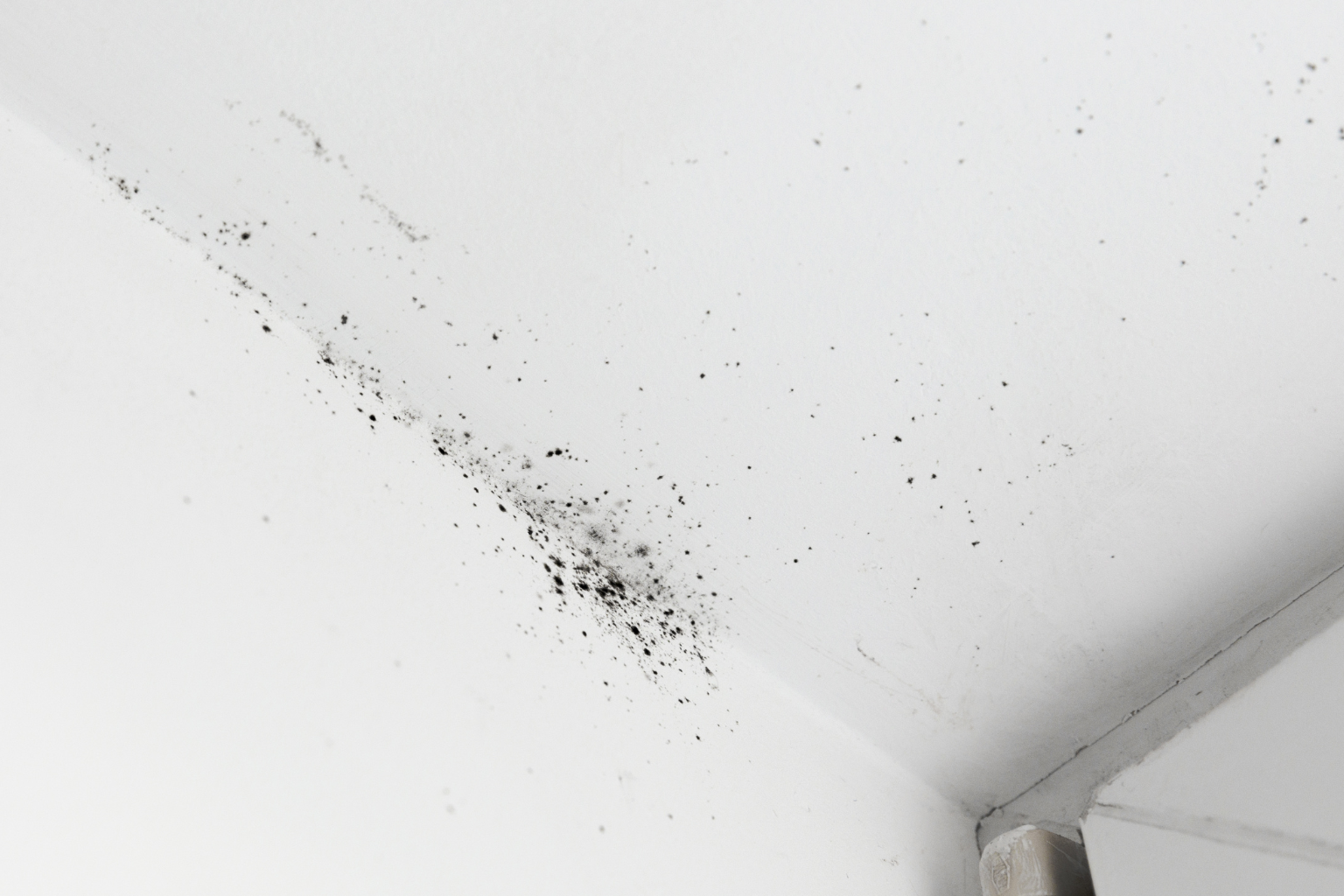
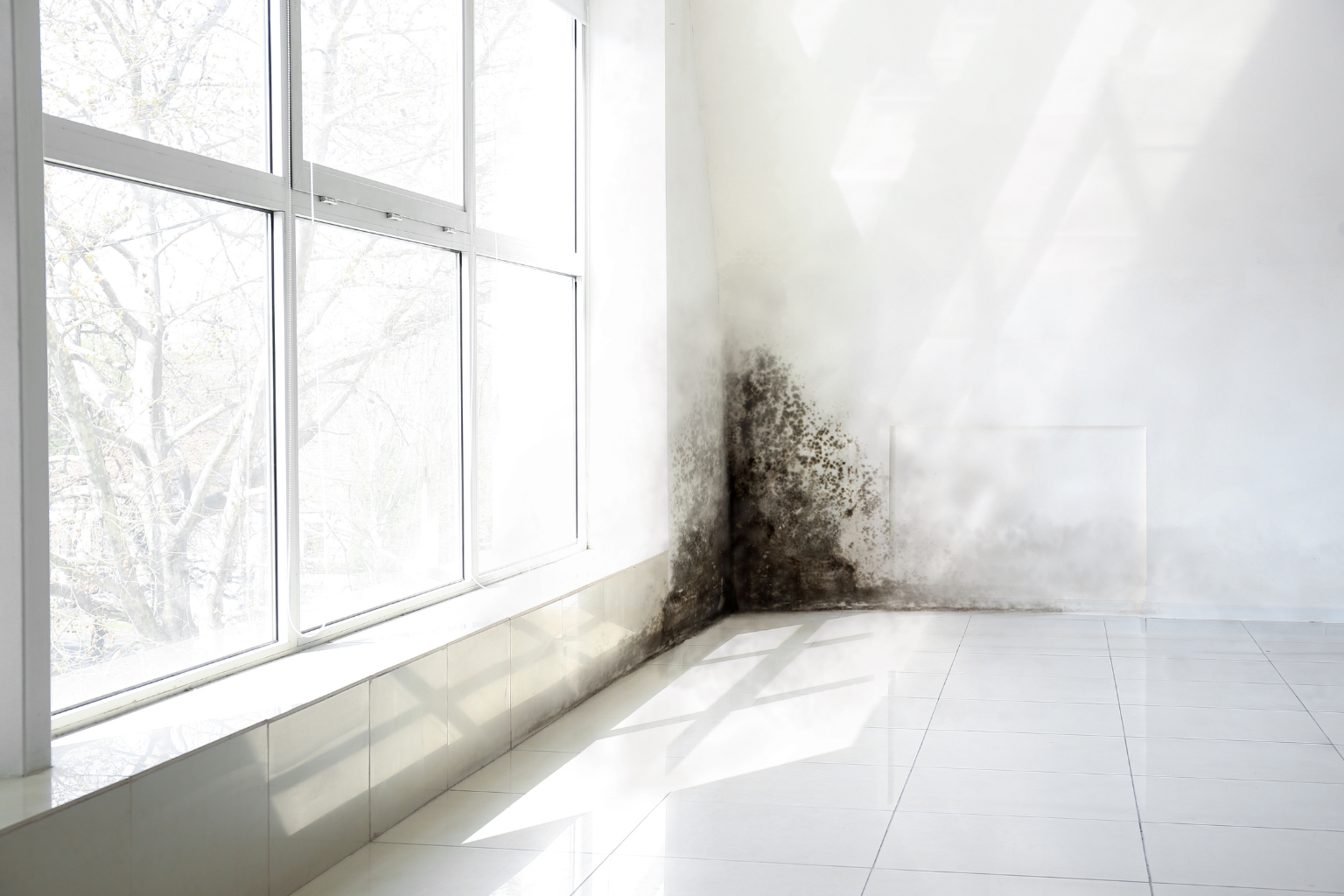
Excess humidity doesn’t just weaken wood and drywall; it creates the perfect breeding ground for mold and mildew. Once established, these colonies spread quickly through hidden spaces like attics, crawl spaces, and basements, breaking down organic building materials as they grow.
Health Concerns
Active mold infestations release countless spores into the air, and some species generate harmful mycotoxins. Dust mites and other pests also thrive in damp environments, compounding the problem. Together, these microbial and pest-related contaminants can worsen indoor air quality and trigger irritation, respiratory issues, or allergic reactions in sensitive individuals.
Low Humidity Problems -- Dried-Out Building Materials
Inadequate humidity poses different challenges. Air with an RH lower than 30 percent pulls moisture from wood and other porous building materials, causing drywall, baseboards, floors, and furniture to crack or shrink. Trim may separate from walls, and paint or wallpaper can peel. Gaps between flooring planks can widen. Over time, low humidity causes more than cosmetic damage as it weakens the home’s framework. Static electricity builds up, risking damage to sensitive electronics.
Dry Air Can Cause Discomfort
Low humidity dries out nasal passages and skin, leading to irritation, nosebleeds, and exacerbation of coughs, colds, and the flu. Static electricity can build up so that touching items or even another person can cause an uncomfortable shock.
Maintaining Your Household Humidity Sweet Spot
Balancing indoor humidity requires monitoring and adjusting as conditions change with the seasons. Simple tools, such as hygrometers, help track humidity levels. Once you establish current and fluctuating humidity levels, the following tips can help strike a balance between 30 and 50 percent RH:
Reducing Humidity Levels
If excess moisture is the problem, focus on removing dampness and improving airflow. A dehumidifier is effective for basements and other moisture-prone areas. Proper ventilation in attics, crawl spaces, kitchens, and bathrooms helps prevent humidity from building up. Repairing or installing vapor barriers and using exhaust fans can further control moisture indoors. Outdoors, make sure gutters and yard grading direct rain and meltwater away from your foundation.
Raising Humidity Levels
When indoor air is too dry, simple adjustments can help restore balance. Portable or whole-home humidifiers add consistent moisture to the air, and some houseplants naturally help humidify the air. Everyday activities like stovetop cooking or boiling water can also provide a boost, making the air more comfortable during dry seasons.
Seek Professional Help
Managing humidity often requires more than just plugging in a store-bought humidifier or dehumidifier. Moisture can be hiding in walls, foundations, or ductwork.
AdvantaClean can help you address these complications. Our trained technicians know how to detect hidden moisture and can design customized solutions to balance and adapt moisture levels throughout your home. Identifying and resolving humidity’s root causes helps protect your property and offers a healthy environment for your family.