Every winter, homes quietly adjust to colder weather — often in ways that change how moisture behaves indoors.
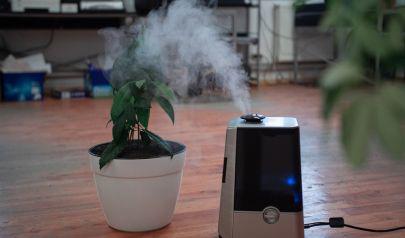
Doors stay shut. Heat runs nonstop. Laundry dries indoors. Plants get extra water. Humidifiers hum along like they’ve been promoted to full-time staff. None of this feels reckless — it feels reasonable.
Then mold shows up and everyone acts surprised.
At AdvantaClean, winter mold conversations usually begin after a long list of sensible decisions has already been made — not after a leak, flood, or obvious mistake.
Winter Mold Is a Side Effect, Not an Event
There’s rarely a moment you can point to and say, “That’s when it happened.”
Winter mold develops the way clutter does. One small thing isn’t a problem. Ten small things quietly sharing the same space for weeks? Different story.
Cold weather doesn’t create moisture, but it changes the rules. Windows stay closed longer. Ventilation drops. Temperature differences between indoor air and exterior surfaces grow wider. Moisture that would normally escape gets trapped indoors instead.
The result isn’t dramatic — it’s cumulative.
Weather Sets the Stage. Habits Do the Rest.
Winter weather contributes in subtle ways:
- Cold exterior walls lower surface temperatures
- Snow, ice, and wet footwear introduce moisture indoors
- Heating systems dry the air unevenly, prompting humidifier use
- Pressure differences pull air — and moisture — into wall cavities
None of these cause mold on their own. They just make indoor spaces far more forgiving to it.
Weather Sets the Stage. Habits Do the Rest.
The Places No One Thinks to Check
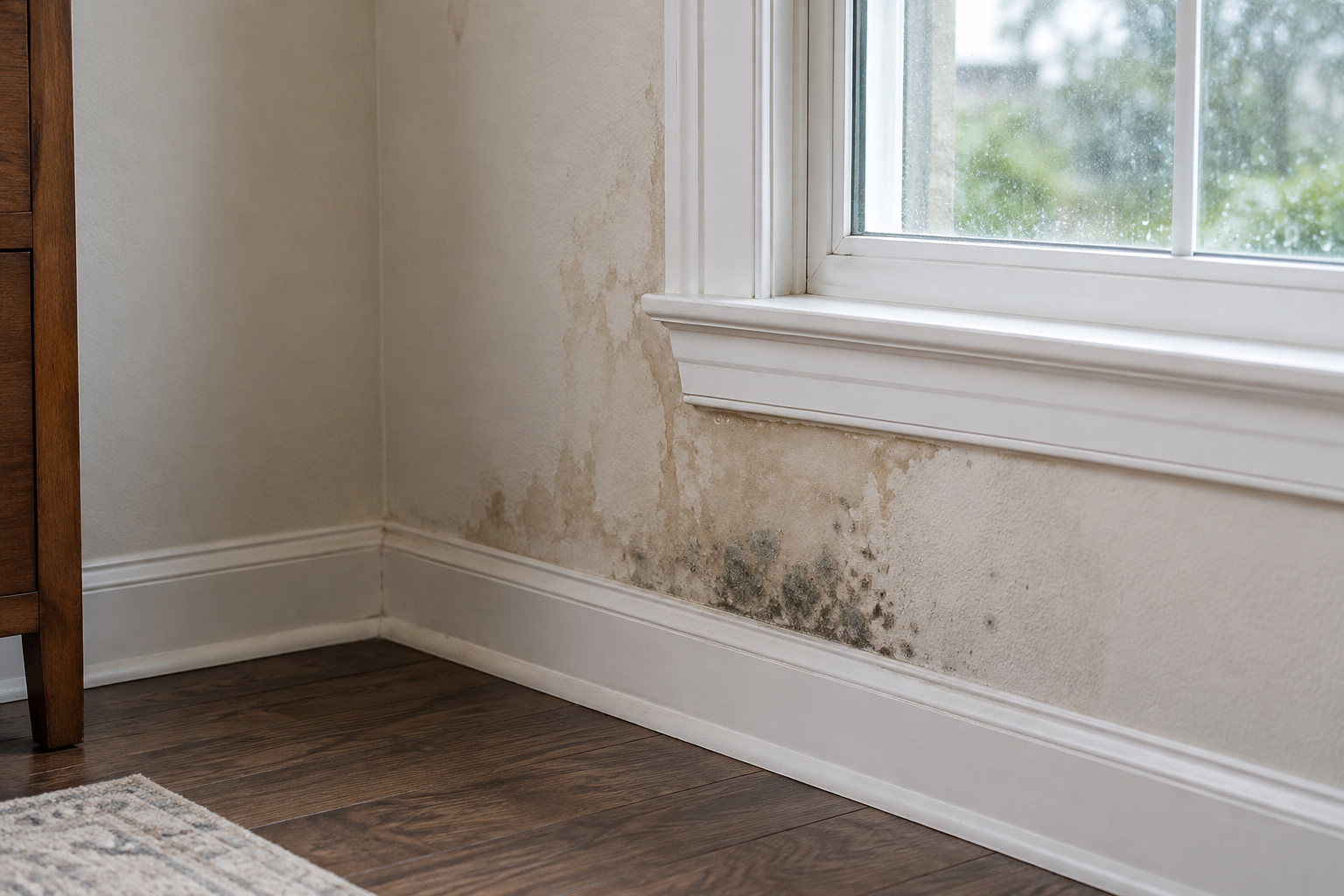
Winter mold doesn’t favor dramatic locations. It prefers the overlooked ones:
- The wall behind the couch that hasn’t moved since Thanksgiving
- The room with the door that “stays closed to save heat”
- The corner office where the vent never quite keeps up
- The lower level that feels fine because it’s warm
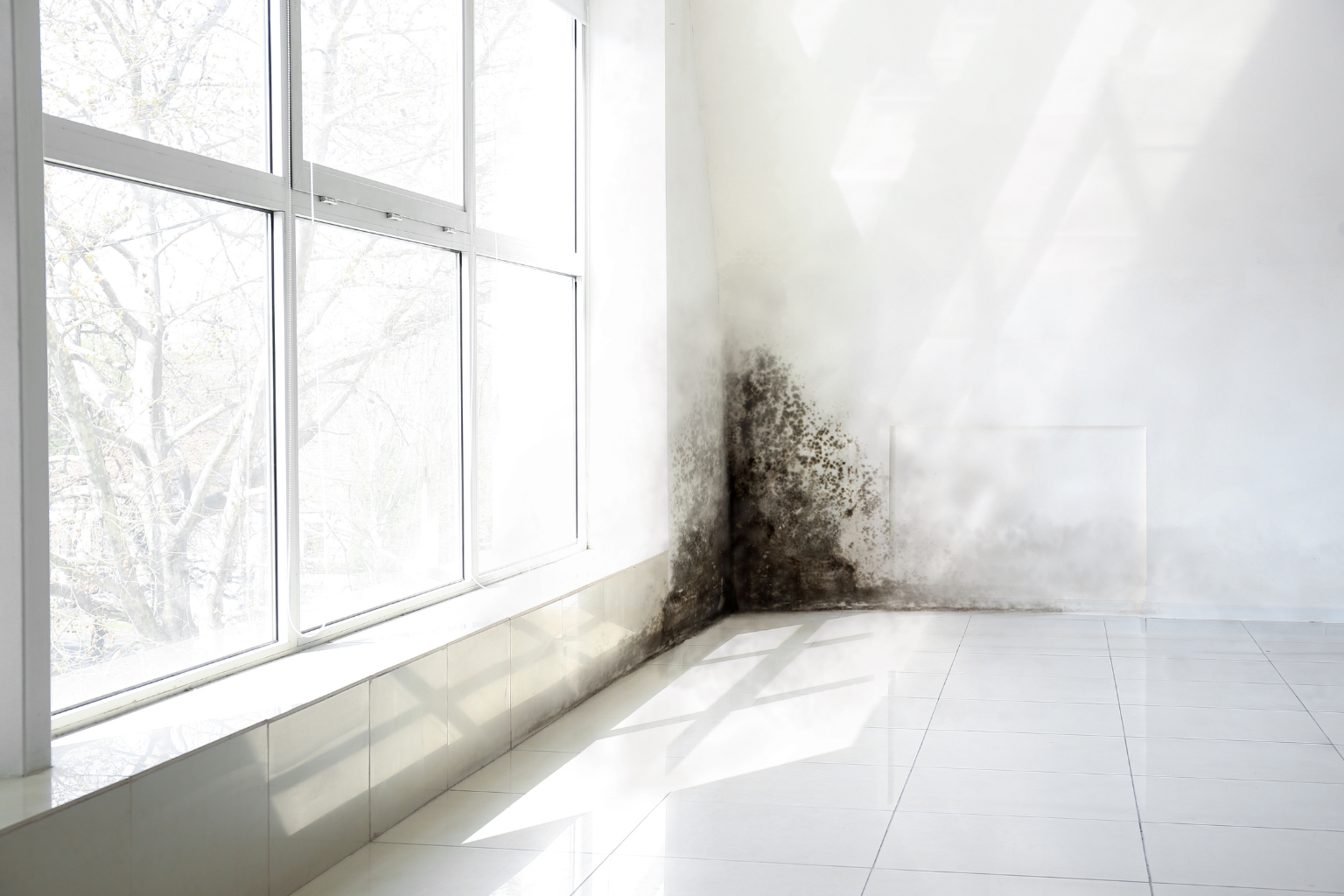
Cold weather makes these areas colder than the rest of the room. Human behavior keeps them closed off. Moisture does the rest.
Nothing looks wrong. That’s the point.
Why Winter Mold Feels Random (But Isn’t)
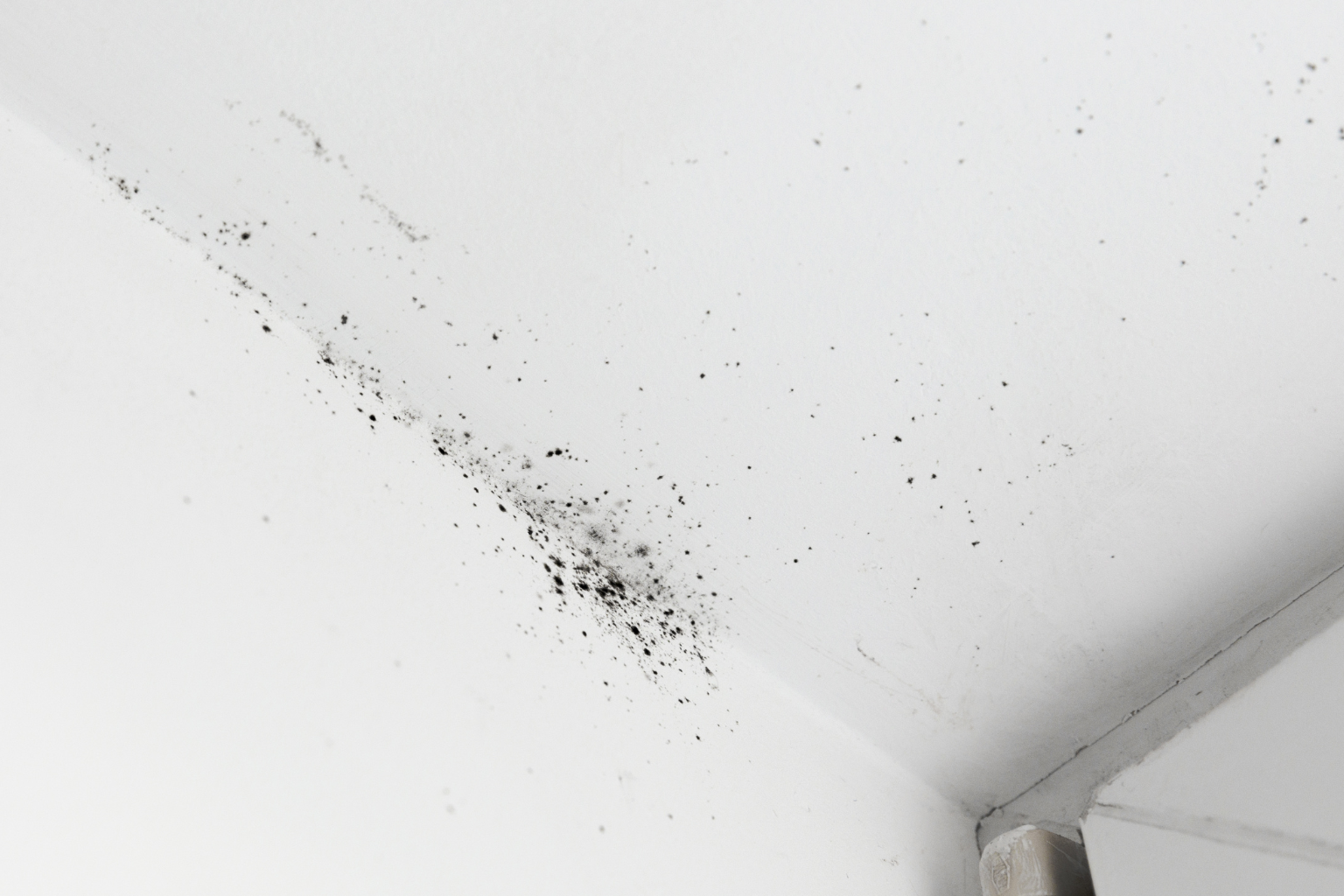
When mold appears in winter, it often feels unearned. There was no spill. No pipe burst. No obvious failure.
What actually happened was quieter:
- Airflow slowed where it normally circulates
- Condensation formed on colder surfaces and lingered
- Moisture stopped evaporating on its usual schedule
Winter doesn’t introduce chaos — it removes escape routes.
Prevention Isn’t Just a Checklist — It’s Interruption
Most winter mold advice reads like a list of settings to adjust. Real life doesn’t work that way.
Effective prevention comes from interrupting patterns:
- Letting air move through rooms that stay closed
- Paying attention to condensation instead of ignoring it
- Using exhaust systems even when it’s uncomfortable
- Reconsidering “set it and forget it” humidity habits
Winter weather may set the conditions, but small behavioral shifts change the outcome.
Where Experience Changes the Conversation
When winter mold questions reach AdvantaClean, the challenge usually isn’t identifying what mold is. It’s understanding why it developed here and now.
That answer almost never lives in a single cause. It lives at the intersection of weather, building design, airflow, and how a space is actually used during colder months.
Looking at any one factor in isolation misses the pattern.
Winter Mold Isn’t a Surprise. It’s a Pattern.
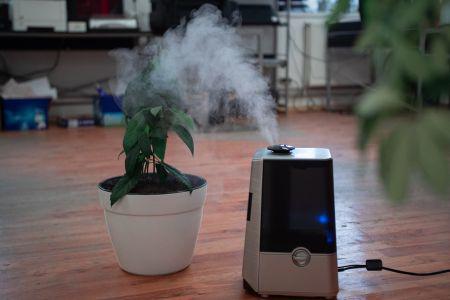
Mold doesn’t arrive to make a statement. It follows conditions.
Once winter weather and human behavior are viewed as working together — not separately — mold stops feeling random and starts feeling predictable.
And predictable problems are far easier to prevent.