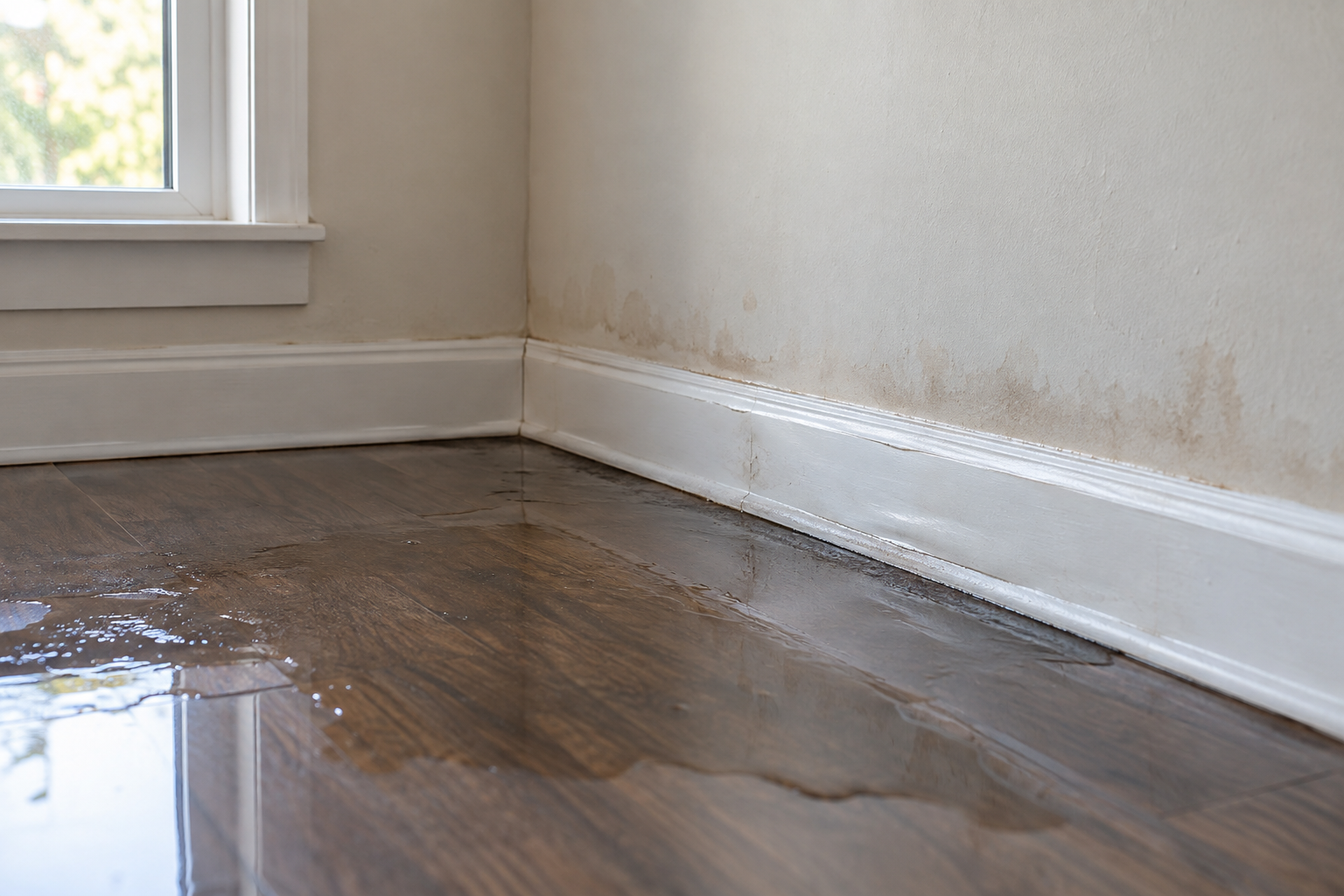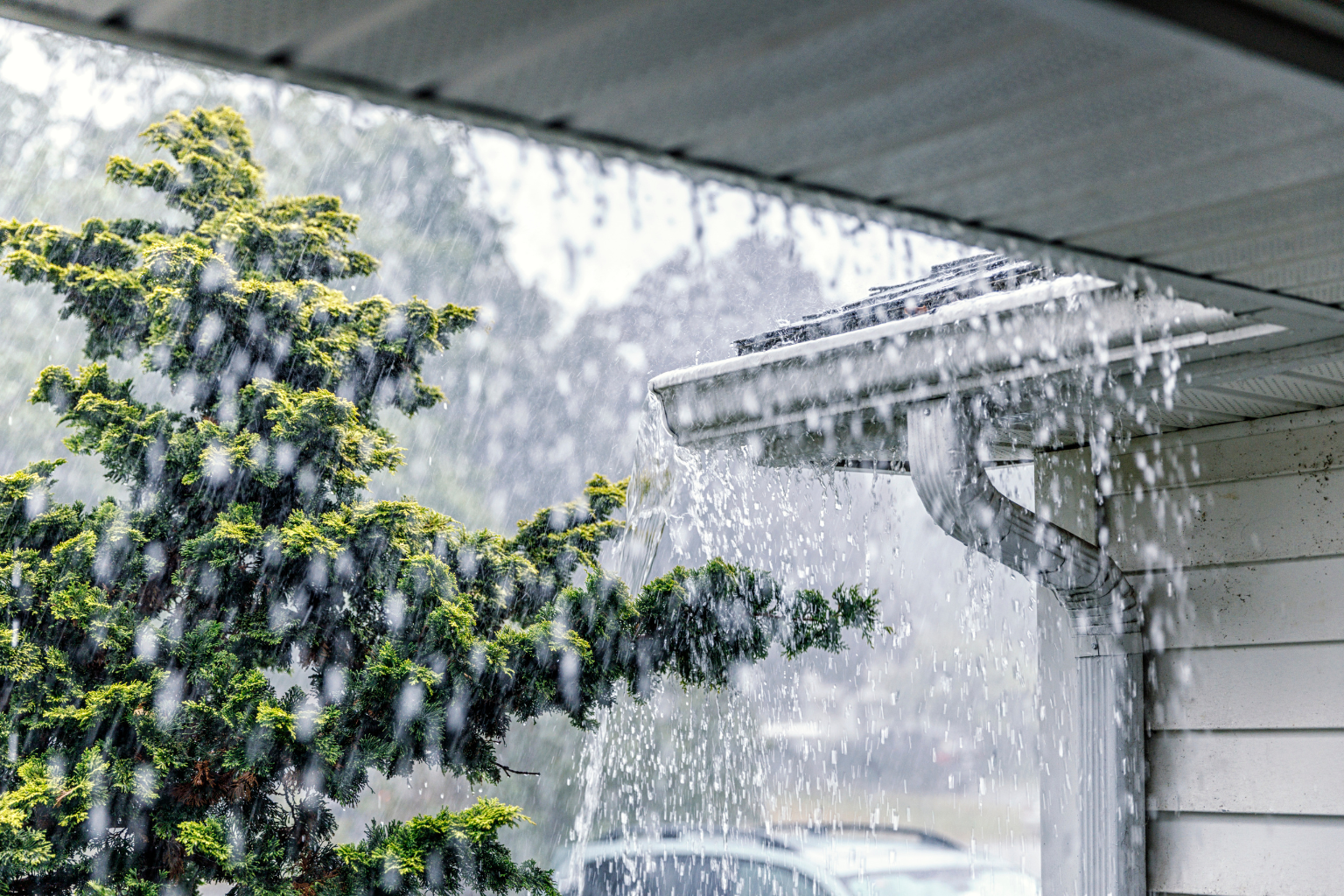
Winter water damage in commercial spaces isn’t a surprise event — it’s an operational exposure. The difference matters.
Businesses don’t experience water damage the way homes do. The impact isn’t measured only in materials or repairs, but in downtime, disruption, and the ripple effect on employees, customers, and revenue. That’s why winter water damage belongs in planning conversations, not emergency conversations — an approach AdvantaClean emphasizes when working with commercial facilities preparing for seasonal risk.
Water Risk Hides in Normal Operations
Commercial properties function on routine. Systems run on schedules. Spaces are occupied in predictable patterns. Winter doesn’t interrupt that — it quietly changes how those routines behave.
Heating systems run longer. Doors open and close more frequently. Snow and ice get tracked inside. Plumbing and supply lines experience prolonged cold stress. Moisture that would normally dry out doesn’t get the chance.
Nothing feels urgent. That’s the risk.
Why Commercial Water Damage Escalates Faster
In a business environment, water spreads farther before it’s noticed. Ceilings conceal leaks. Wall systems hide moisture. Mechanical rooms aren’t visited daily. After-hours periods allow problems to advance uninterrupted.
By the time water damage is discovered, it has often moved beyond the source area and into adjacent spaces, materials, or systems. The issue isn’t the initial intrusion — it’s the delay.
Winter amplifies that delay.
One Issue Rarely Stays Contained
Commercial water damage is rarely isolated to one component. A small failure can quickly affect multiple areas:
- Flooring systems beneath finished surfaces
- Electrical or data infrastructure
- Shared walls between tenant spaces
- Inventory, equipment, or work areas
Because these elements are interconnected, the cost of water damage in winter is measured in disruption, not just repairs.
Protection Is About Interruption, Not Reaction
Protecting a business from winter water damage isn’t about predicting every possible failure. It’s about identifying where water could move unnoticed and interrupting that path early.
That includes:
- Understanding where water runs above ceilings and behind walls
- Knowing which spaces are unoccupied for long stretches
- Monitoring areas where snow, ice, or condensation is common
- Having clear internal protocols for off-hours discovery
These steps don’t slow operations. They protect them.
Where Professional Perspective Fits
Commercial properties often have layered systems, shared infrastructure, and modifications made over time. That complexity changes how water behaves when conditions overlap.
Through its work with commercial facilities, AdvantaClean frequently encounters winter water damage tied to overlooked operational blind spots rather than catastrophic failures. Seeing those patterns early helps businesses reduce both damage scope and downtime.
Winter Water Damage Is a Business Risk, Not a Seasonal One

Water damage doesn’t wait for the right moment. It takes advantage of gaps — in visibility, in access, and in response time.
When winter water exposure is treated as an operational consideration instead of an emergency surprise, businesses gain control over outcomes that would otherwise interrupt productivity.