Pipe problems in winter don’t announce themselves politely. They also don’t usually start where people expect.
Most homeowners assume risk lives at the obvious edges — outside walls, crawl spaces, garages. Those areas matter, but winter plumbing issues more often come from overlooked transitions: places where heat fades, airflow stalls, or a pipe crosses from a “warm” zone into a colder one without anyone noticing.
A house can feel perfectly comfortable while sections of its plumbing quietly disagree.
1. Pipes Respond to Physics, Not Comfort
People experience rooms. Pipes experience conditions.
They respond to temperature swings, pressure changes, and exposure time. A cabinet that stays closed all winter may feel insignificant to a homeowner, but to a pipe, it’s the difference between stable warmth and slow heat loss.
This is why pipe issues show up in homes that “felt fine.” Comfort and protection are not the same thing.
2. Freezing Is the Headline — Stress Is the Story
Frozen pipes get the attention, but they’re often the final act.
Long before ice forms, winter introduces stress:
- Materials contract incrementally
- Joints tighten, then loosen
- Valves resist movement
- Small imperfections stop being harmless
Some pipes don’t fail when they freeze. They fail when they thaw, repressurize, and look for the weakest exit.
That delay is why damage often feels sudden, even when conditions built quietly over time.
3. The Most Trusted Assumption Is Usually the Wrong One
“I didn’t think that line was exposed.”
“We insulated that years ago.”
“That space stays warm enough.”
These assumptions aren’t careless — they’re inherited. They’re based on how the house behaved in the past, not how winter is interacting with it now.
As homes age, change, and get modified, plumbing rarely stays in ideal conditions. What used to be protected may no longer be.
4. Awareness Beats Overcorrection
Effective pipe protection doesn’t require tearing walls open or overhauling a house.
It requires noticing patterns:
- Which rooms stay closed most of the winter
- Where airflow slows down
- Which areas rely on residual heat
- Where plumbing crosses exterior boundaries
Once those patterns are visible, small changes carry real weight.
5. When a Broader Look Makes Sense
Some homes carry complexity that isn’t obvious — additions, converted spaces, older layouts, or crawl spaces that behave differently in winter. In those cases, understanding how cold moves through the structure matters more than guessing where pipes might be.
This is where experience evaluating moisture, airflow, and structure together becomes useful. AdvantaClean often sees winter pipe damage tied not to a single failure, but to layered conditions that went unnoticed because everything else seemed to be working.
Winter Pipe Damage Isn’t Random — It’s Contextual
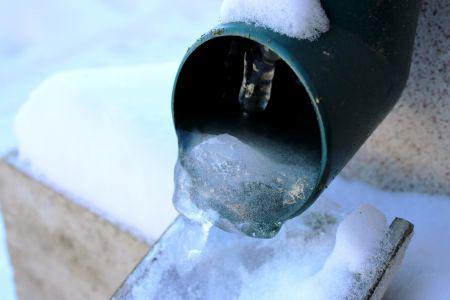
Pipes don’t fail because winter exists. They fail when conditions quietly shift out of alignment.
Once pipe protection is viewed as something to stay aware of — not something already “checked off” — winter water damage becomes easier to anticipate and far less disruptive.