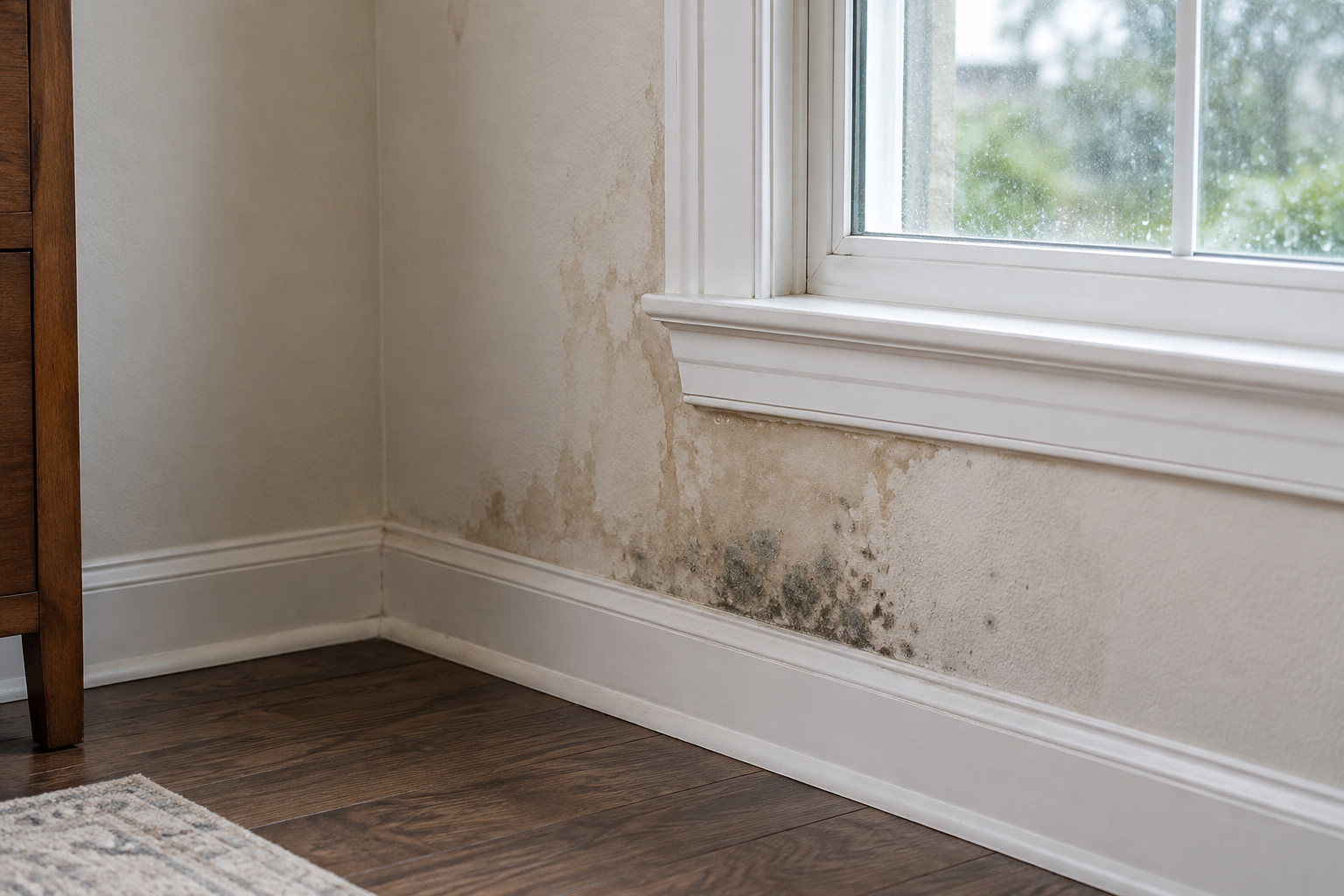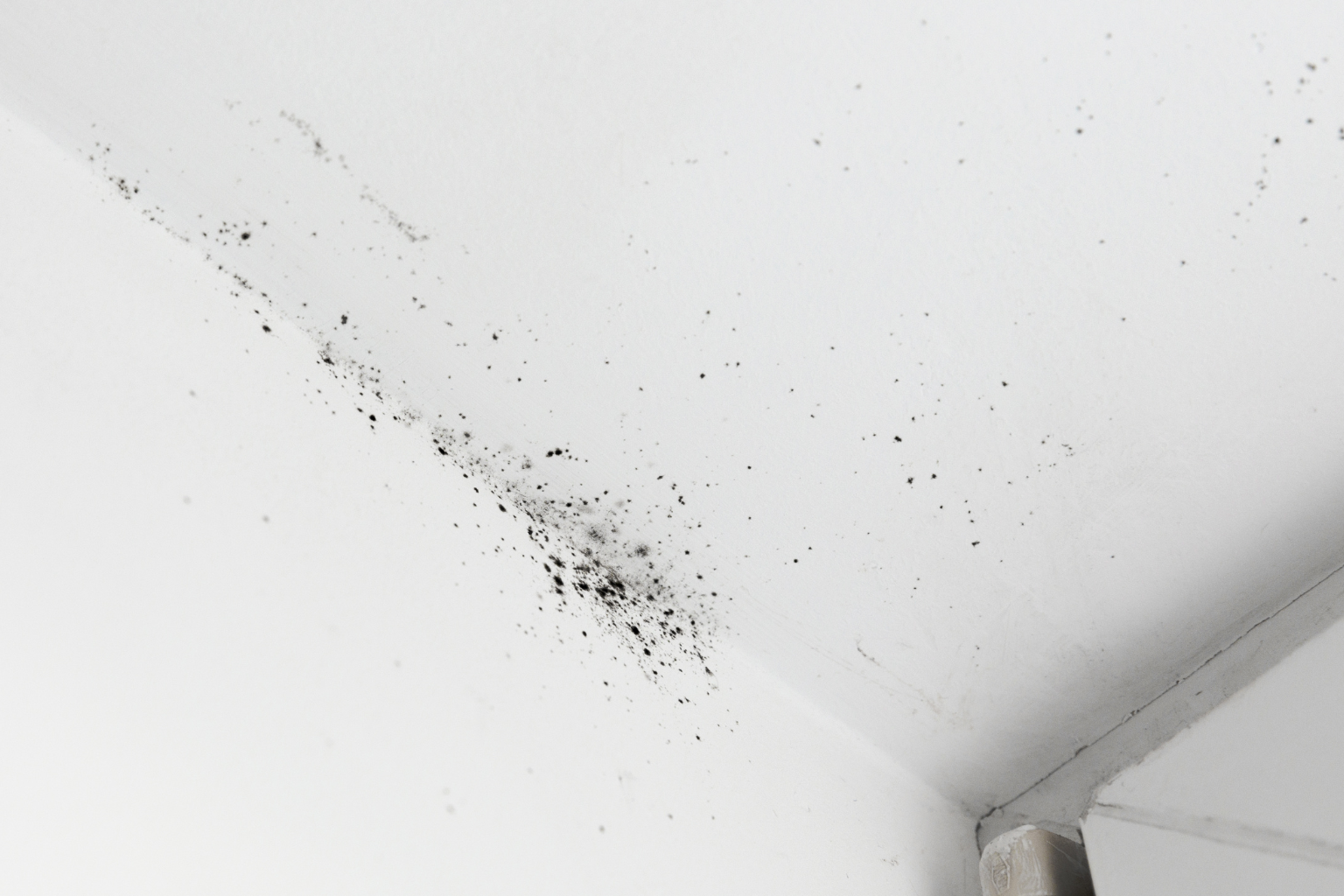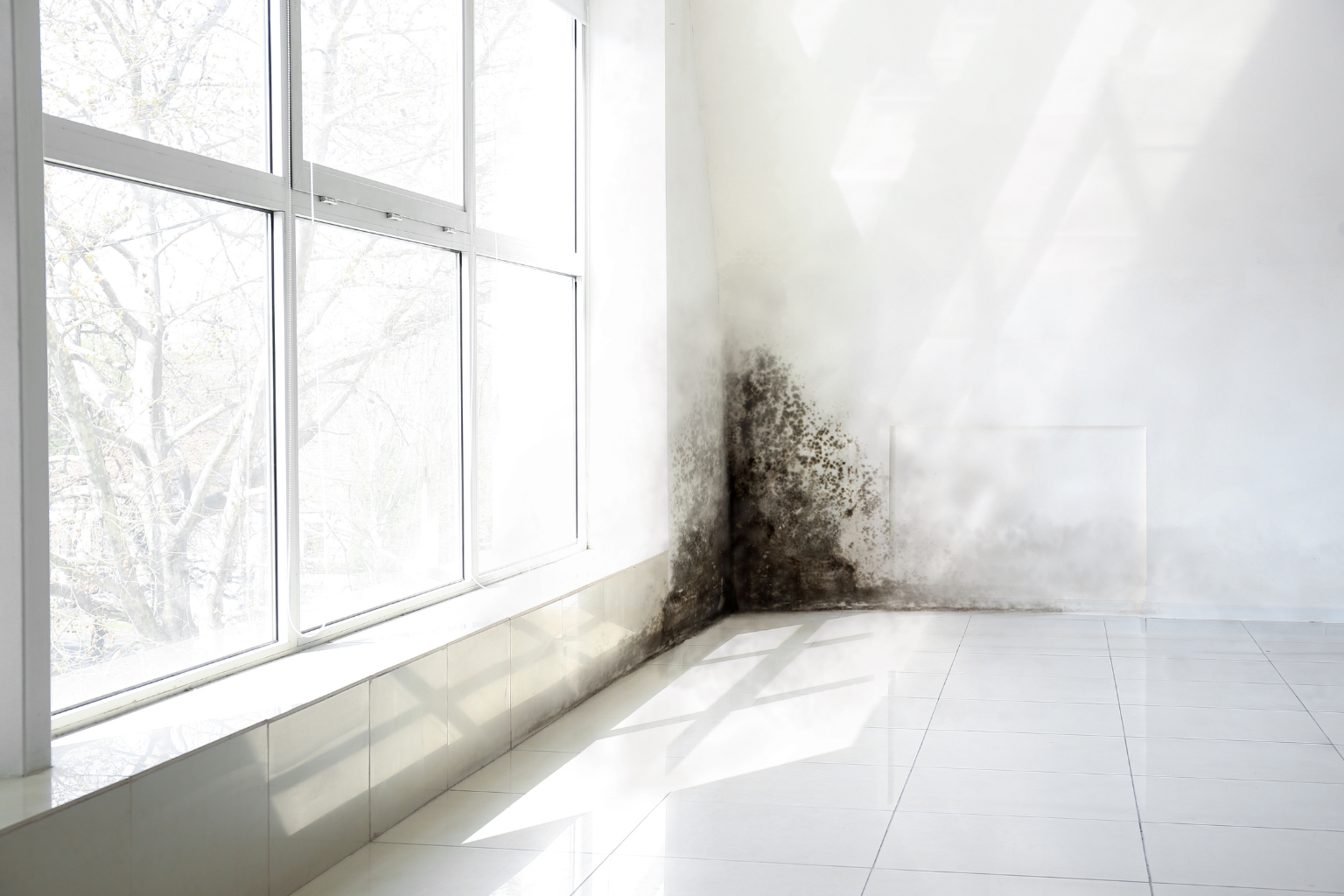
Bathrooms are designed to handle water, but they are not meant to stay wet. When moisture repeatedly settles into the seams and joints that hold bathroom surfaces together, those areas behave differently than the rest of the room. Grout lines, caulk edges, and tile seams are especially vulnerable because they combine humidity, porous materials, and limited airflow.
These narrow spaces are easy to overlook during routine cleaning, yet they are often where mold begins to develop. Many bathroom mold issues begin in grout lines, tile seams, and aging caulk where moisture becomes trapped. At AdvantaClean, bathroom mold concerns frequently begin in these small areas where humidity and residue accumulate over time.
Why Bathroom Mold Targets Grout, Caulk, and Tile Seams
Tile itself is fairly resistant to moisture, but the materials between tiles behave very differently. Grout and caulk help seal bathroom surfaces, yet they also create small spaces where moisture can linger after showers.
Several characteristics make these areas particularly susceptible to mold growth.
Porous materials
Grout contains microscopic pores that absorb small amounts of water each time it is exposed to humidity. Over time, even sealed grout can lose its protective barrier, allowing moisture to penetrate deeper into the material.
Rough surface texture
Grout lines and caulk edges collect soap residue, body oils, and mineral deposits more easily than smooth tile surfaces. These materials create an environment where mold can grow.
Limited airflow
Corners and seams receive less air movement than open surfaces, slowing the drying process and allowing moisture to remain longer.
Aging sealants
Caulk can shrink, crack, or separate from surrounding surfaces as it ages. When this happens, water may seep behind tiles or into wall cavities where mold can grow unnoticed.
These conditions create ideal environments for bathroom mold growth, particularly in spaces where warm humidity is introduced daily. AdvantaClean technicians frequently identify mold developing along grout lines and tile seams before it spreads to other areas of the room.
How Bathroom Humidity Contributes to Mold Growth
Showers and baths release significant moisture into the air. Without proper ventilation, that humidity settles on surrounding surfaces and into grout lines and seams.
Because grout and caulk absorb moisture, water can remain trapped even after the bathroom appears dry. Repeated humidity cycles allow mold spores already present in indoor air to settle and grow along these materials.
Early warning signs of bathroom mold may include:
- Darkened grout lines between tiles
- Small black or green spots along caulk seams
- Discoloration that returns after cleaning
- Persistent musty odors in the bathroom
These signs often indicate that moisture is consistently present in those areas.
Preventing Mold in Bathroom Seams
Reducing bathroom mold risk focuses primarily on controlling humidity and maintaining bathroom sealing materials.
Helpful prevention steps include:
- Running exhaust fans during and after showers
- Resealing grout periodically
- Replacing cracked or aging caulk
- Improving airflow so surfaces dry faster
- Addressing plumbing leaks promptly
These simple maintenance practices help reduce the moisture conditions that allow mold to develop.
When mold becomes embedded in grout, caulk, or the materials behind tile surfaces, routine cleaning may not fully resolve the problem. In these situations, professional remediation may be necessary to remove affected materials and address hidden moisture sources.

AdvantaClean specializes in identifying moisture problems and addressing bathroom mold growth in grout lines, tile seams, and other high-humidity areas of the home. By resolving both visible contamination and the underlying moisture conditions, AdvantaClean helps restore healthier indoor environments.